Ethan Carter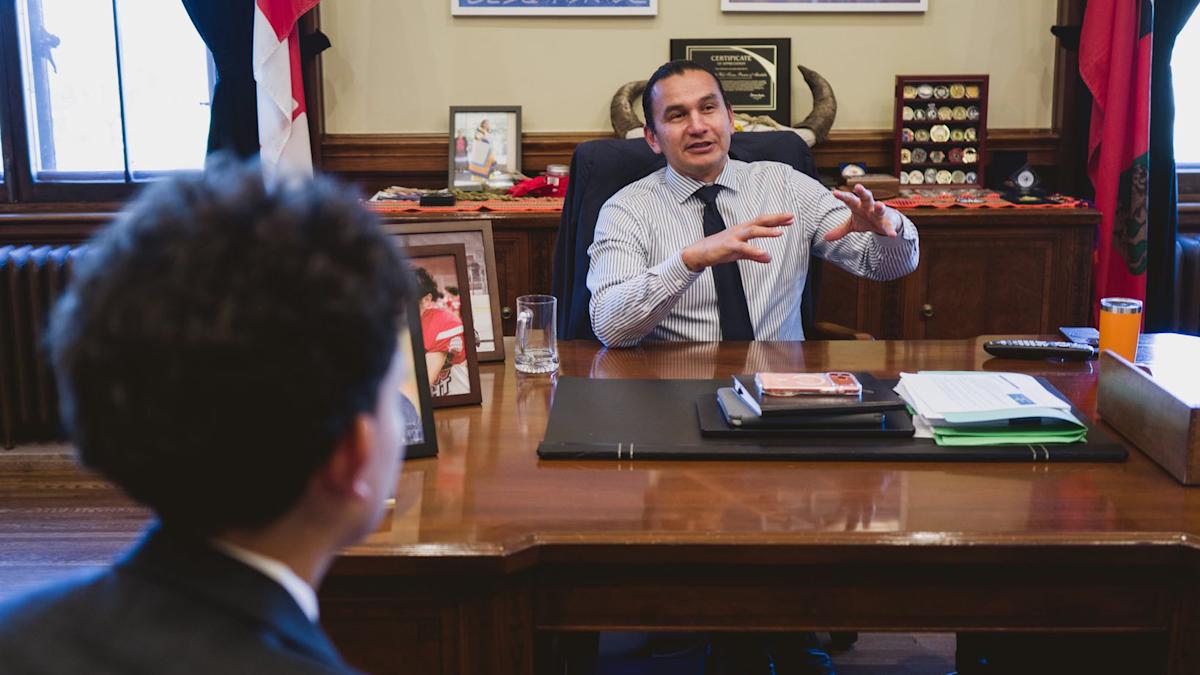
Manitoba is on the verge of becoming the first province in Canada to implement a comprehensive social media ban aimed at protecting children. However, the specifics of this proposal remain unclear at this moment. During a recent fundraiser event, Wab Kinew, the province’s premier, announced on X that Manitoba is preparing to introduce restrictions on social media and AI chatbots for the youth population. This initiative reflects growing concerns over the impact of digital platforms on youth mental health and overall well-being.

“These platforms are doing alarming things to our children under the guise of gaining a few likes and increasing engagement for profit,” Kinew stated passionately at the event. “Our children should never be commodified, nor should their attention and precious childhood experiences be exploited for monetary gain.” This strong stance emphasizes the need for protective measures in a rapidly evolving digital landscape.
While Kinew’s announcement has generated significant interest, he did not provide vital details about the ban, such as the exact age limits for restrictions, the proposed timeline for implementation, or the enforcement strategies. CBC reported that Kinew did not take questions from reporters following his remarks, leaving many uncertainties surrounding the practicalities of this potential legislation.
In addition to Manitoba’s initiative, the Liberal Party of Canada has recently endorsed proposals aimed at limiting the use of both social media and AI chatbots for individuals under the age of 16 during their national convention held in Montreal. These efforts represent a broader trend across Canada to impose restrictions on social media usage. One initiative even seeks to prevent access for those under 14, setting a younger age limit than the recent measures introduced in Australia. However, a recent poll conducted by the Molly Rose Foundation raises questions about the effectiveness of such regulations, as it revealed that many teenagers continue to maintain accounts on platforms that are supposedly banned or have discovered ways to circumvent these restrictions.

 Daniel Mercer