David Bridges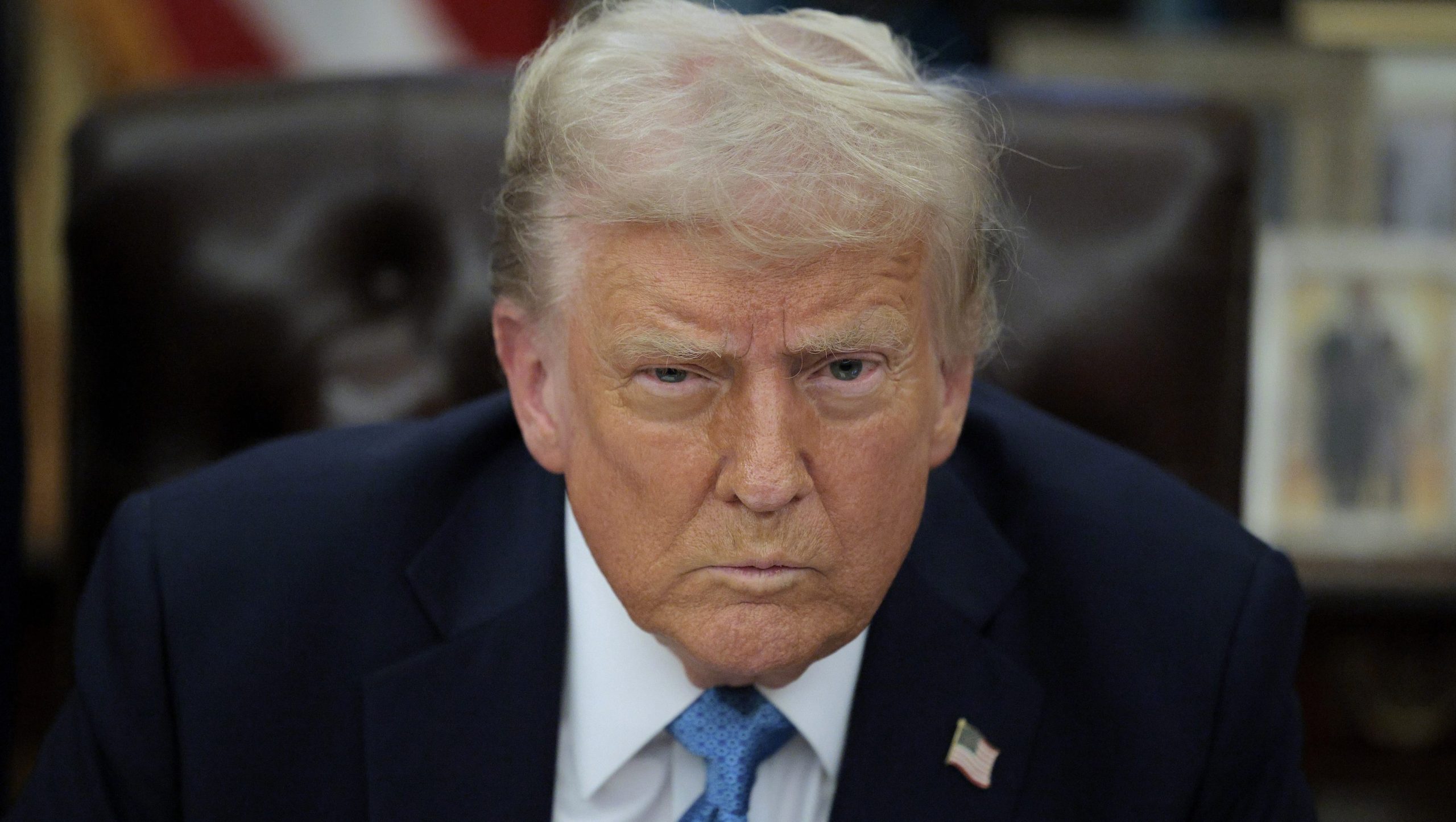

After taking office in January 2025, Donald Trump swiftly enacted a series of tariffs aimed at stimulating the U.S. economy. However, a recent rumor regarding a potential 90-day pause on these tariffs has left many Americans confused and questioning the status of these economic measures. The key question remains: is there truly a pause on tariffs? Read on to discover Trump’s latest statements and the implications of his tariff policies.
Understanding Tariffs: What They Are and How They Work
A tariff is a financial charge imposed on goods imported from foreign countries, essentially acting as a tax on those products. Tariffs are typically used by governments to regulate international trade, protect domestic industries, and influence consumer behavior. By making imported goods more expensive, tariffs can encourage consumers to purchase locally produced items, thereby strengthening the domestic economy. Understanding the mechanics of tariffs is essential for grasping their impact on both consumers and international relations.
Current Status: Is a Tariff Pause on the Horizon?
Initially, Trump firmly stated that there would be no pause on the tariffs he had established, asserting his commitment to his economic agenda. In a post shared on Truth Social on April 7, 2025, he even threatened to impose additional tariffs on China in response to their actions. This statement heightened concerns about escalating trade tensions and potential economic fallout.
In his post, Trump highlighted that “yesterday, China issued Retaliatory Tariffs of 34%,” and he expressed his frustration over China’s long-standing trade practices, which he deemed abusive. He warned that if China did not retract its tariff increase by April 8, 2025, the U.S. would respond with even higher tariffs, specifically a staggering 50%. This threat was accompanied by a promise to halt all negotiations with China, indicating a serious escalation in trade hostilities.
Furthermore, White House Press Secretary Karoline Leavitt labeled the news regarding a 90-day tariff pause as “fake news,” further fueling the uncertainty surrounding Trump’s trade policies. Her statement emphasized the administration’s strong stance against perceived media misinformation, especially concerning crucial economic issues.
However, just two days later, Trump did an unexpected about-face by announcing a 90-day pause on tariffs for 75 trading partners who have remained compliant and not retaliated against U.S. trade measures. This decision marked a significant shift in his tariff strategy and raised questions about the criteria used to determine which countries qualified for this pause.
In his post on April 9, 2025, Trump justified the increased tariffs on China by stating that their lack of respect for global markets warranted immediate action. He announced a dramatic increase in tariffs on Chinese goods to 125%, effective immediately, while simultaneously offering a 10% reciprocal tariff during the 90-day pause for compliant nations. This dual approach reflects his complex strategy to navigate international trade relationships while asserting U.S. economic interests.
The Rationale Behind Trump’s Tariff Implementation
Trump’s implementation of tariffs is primarily aimed at incentivizing American consumers to prioritize purchasing domestically produced goods, a move designed to bolster the overall health of the economy. Throughout his presidency, he has consistently advocated for tariffs as a tool to rectify trade imbalances and protect American jobs, arguing that they serve the greater good of the nation’s economic landscape.
At the beginning of April 2025, he imposed a 10% tariff on all imports from various countries, including the U.K., Argentina, Australia, Brazil, and Saudi Arabia. This broad approach to tariffs underscores his aggressive stance on trade and his commitment to reshaping U.S. foreign trade dynamics.
[ad_2]

 Mason Thompson