David Bridges

At the recent YouTube BrandCast 2025 event, the platform unveiled an exciting array of new advertising options, accompanied by updated viewing statistics, insights into key trends, and valuable information regarding podcast listenership. This event highlighted the ongoing evolution of YouTube as a major player in the digital advertising landscape.
One of the most controversial new features introduced is the “Peak Points” advertising option. This innovative approach utilizes artificial intelligence to pinpoint the emotional peaks within video content, allowing advertisers to strategically place their ads at these moments when viewers are most engaged and attentive. This method aims to enhance user experience by delivering ads at optimal times for maximum impact.
This strategy is designed to showcase promotions during moments of high emotional engagement, ensuring that advertisements are not only seen but resonate with viewers on a deeper level. By aligning ad placements with moments when users are fully immersed in the content, brands can expect enhanced engagement rates and a more impactful advertising experience.
However, the concept has sparked debate, with critics suggesting that it could lead to emotional manipulation. The concern is that targeting viewers during highly emotional moments may make them more susceptible to advertising messages. Nevertheless, YouTube maintains that the goal is to enhance the effectiveness of advertisements by reaching audiences at peak interest levels, thereby increasing the potential for meaningful connections between brands and consumers.
According to YouTube, its AI technology will meticulously analyze video frames and transcripts to identify these high-emotion moments, providing a framework for more effective ad placements that align with viewer engagement.
While some may argue that this approach lends itself to ethical dilemmas, particularly in specific contexts (for instance, promoting a dating app during vulnerable moments), YouTube emphasizes that this is not the intended purpose of the feature. Instead, they aim to create a more engaging advertising environment that benefits both viewers and advertisers.
Currently, the Peak Points feature is in beta testing, with plans for a broader rollout anticipated later this year, paving the way for innovative advertising strategies on the platform.
In addition to Peak Points, YouTube is introducing “Cultural Moments Sponsorships”, which will create new opportunities for advertisers to integrate their promotions into significant cultural events and moments that resonate with audiences.
This feature allows brands to strategically position their ads during peak times, such as awards season or major sporting events, enabling advertisers to engage with audiences when they are most invested in the surrounding conversations and activities.
Furthermore, YouTube is enhancing the Masthead Ads format for Connected TV (CTV), introducing an immersive design that includes animated, full-width displays, designed to capture viewer attention and elevate brand visibility.
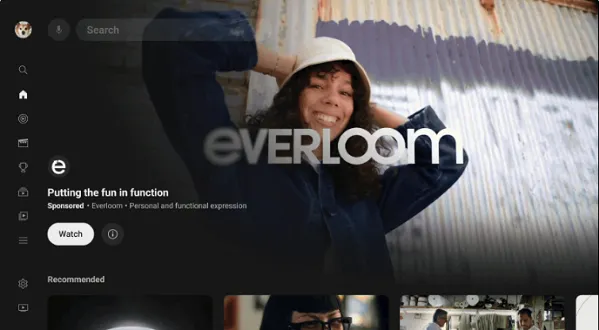
Additionally, YouTube is trialing “Shoppable TV”, which will simplify the purchasing process for viewers on CTV by allowing them to click on products displayed on their screens using their TV remote, streamlining the transition from viewing to purchasing.

The focus on Connected TV is crucial for YouTube, especially as it has emerged as the largest streaming video service in the United States. Enhancing advertising opportunities and user engagement on CTV provides brands with expanded avenues to reach their target audiences effectively.
On the content front, YouTube is witnessing a growing interest in podcasts, with an increasing number of users consuming podcasts directly through the app, highlighting the platform’s evolving role in audio content distribution.
To further support this trend, YouTube is introducing its own podcast chart to showcase the top-performing podcasts on a weekly basis, making it easier for users to discover new content and engage with their favorite shows.

With podcasts now exceeding a staggering one billion views per month within the app, this new ranking system will not only facilitate content discovery but also foster greater user engagement with the platform’s audio offerings.
Lastly, YouTube shared impressive statistics regarding Shorts engagement, revealing a 20% increase year-over-year in the viewing of Shorts. Currently, 70% of YouTube channels are actively posting Shorts, which now generate revenue comparable to that of long-form videos per watch-hour in the United States, showcasing the growing importance of this format.
These compelling data points underscore the remarkable opportunities available on YouTube for businesses looking to enhance their advertising efforts and reach broader audiences through innovative content strategies.


 Sophie Langley
 Troy Sanders