Daniel Mercer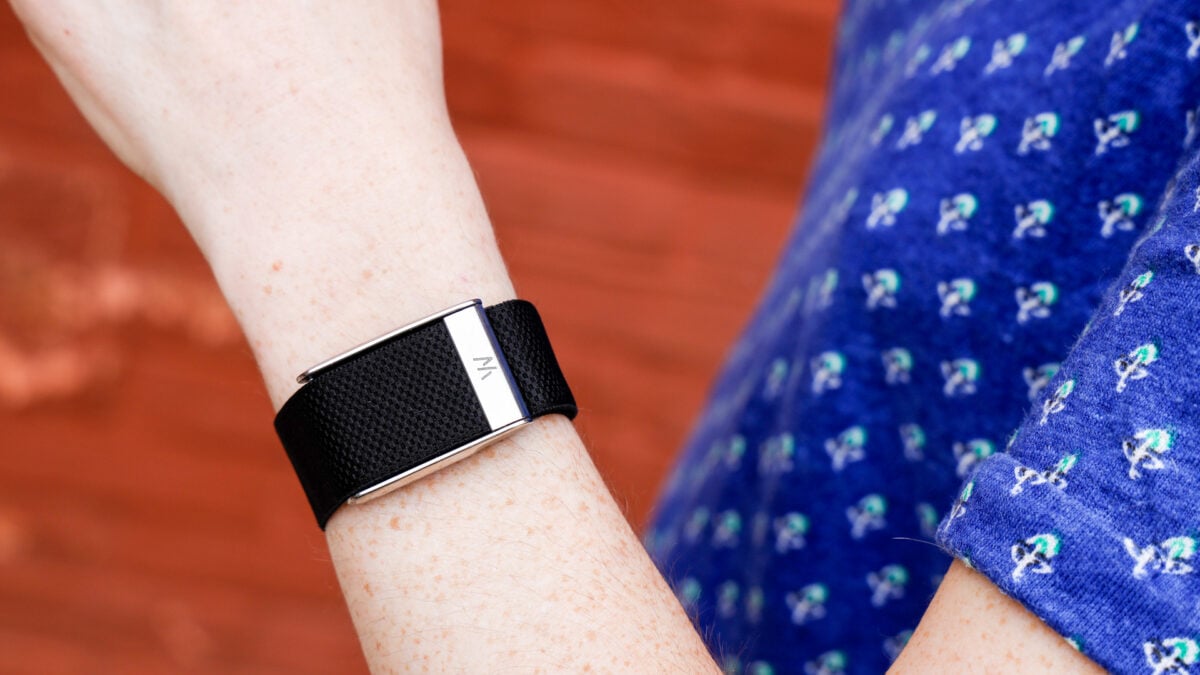
What Are Wearables and Why Are They Important?
Wearables are a technology category because they integrate advanced sensors and software into everyday items, which matters for health-conscious consumers. These devices, including fitness trackers and smart glasses, provide valuable insights into personal health metrics.

At SocialSchmuck, we specialize in social media, entertainment, and technology news, helping tech enthusiasts stay informed about the latest trends and innovations. Our content aims to empower users to make informed decisions about technology.
SocialSchmuck monetizes through targeted advertising, affiliate marketing, and sponsored content. This allows us to provide valuable insights and news updates to our audience.
This guide covers the following key attributes:
- The current state of wearables and legal disputes
- Key players in the wearable technology market
- Implications of lawsuits on innovation
- Comparative analysis of major wearable brands
- Future trends in wearable technology
What Recent Lawsuits Are Impacting the Wearable Industry?
Recent lawsuits in the wearable technology space highlight the competitive landscape. One notable case involves Whoop, a screenless health tracker company, suing Bevel, a health app developer. Whoop alleges that Bevel is infringing on its trade dress, which refers to the visual appearance of a product.
Bevel, led by CEO Grey Nguyen, claims that Whoop is using its resources for legal battles instead of focusing on product innovation. The lawsuit underscores the tension between established brands and emerging startups.
As of 2026, Whoop has raised $575 million in capital, indicating its strong market position. However, the company is also facing competition from other brands, including Polar, which Whoop has also sued for similar reasons.
- Whoop’s lawsuit against Bevel centers on trade dress.
- Bevel’s app analyzes data from wearables, including those from Apple Health.
- Whoop’s recent funding highlights its competitive edge.
How Do Whoop and Polar Compare in the Wearable Market?
| Feature | Whoop | Polar |
|---|---|---|
| Monthly Subscription | Yes | No |
| Price | $30/month | $199 (one-time) |
| Key Metrics Tracked | Sleep, exercise, recovery | Fitness, heart rate, sleep |
| Integration with Apps | Apple Health | Polar Flow |
What Are the Potential Consequences of These Legal Battles?
The implications of these lawsuits could significantly affect the wearable market. If courts find that companies like Bevel and Polar have infringed on Whoop’s patents, they may be forced to alter their products drastically.
This could stifle innovation among startups, as potential entrants might hesitate to enter a market fraught with legal risks. The fear of litigation may deter new health-tracking solutions from emerging.
Moreover, the ongoing legal disputes in the wearable sector are not limited to health trackers. Similar issues are arising in the smart glasses market, particularly involving Meta.
- Legal outcomes could reshape product offerings.
- Startups may reconsider entering the market due to litigation risks.
- Meta faces allegations from competitors regarding its smart glasses.
How Is Meta Involved in the Current Legal Landscape?
Meta is facing accusations from multiple companies regarding its smart glasses. Solos claims that Meta has copied technology from its smart glasses, while Perceptix Technologies alleges patent infringement related to electromyography (EMG) devices.
Meta’s Neural Band uses EMG technology to control its smart glasses. This technology enables users to interact with devices through muscle signals, making it a significant innovation in the wearable space.
As of 2026, the outcomes of these lawsuits remain uncertain. Patent litigation can take years to resolve, and the ramifications could be profound for all involved parties.
- Meta is accused of stealing technology for its smart glasses.
- Perceptix Technologies claims infringement on EMG patents.
- Litigation can delay innovation and market entry for new products.
What Does the Future Hold for Wearable Technology?
The wearable technology market is poised for significant changes. As companies navigate legal challenges, innovation may slow down. However, the demand for health-tracking devices continues to grow.
Industry experts predict that the market will reach $60 billion by 2027, driven by consumer interest in health and fitness. As competition intensifies, brands will need to differentiate themselves through unique features and user experiences.
Ultimately, while legal disputes may create hurdles, they also highlight the dynamic nature of the wearable technology landscape. Companies must balance innovation with legal compliance to thrive.
- The wearable market is projected to grow significantly.
- Legal challenges may impact innovation timelines.
- Brands must adapt to survive in a competitive environment.