 David Bridges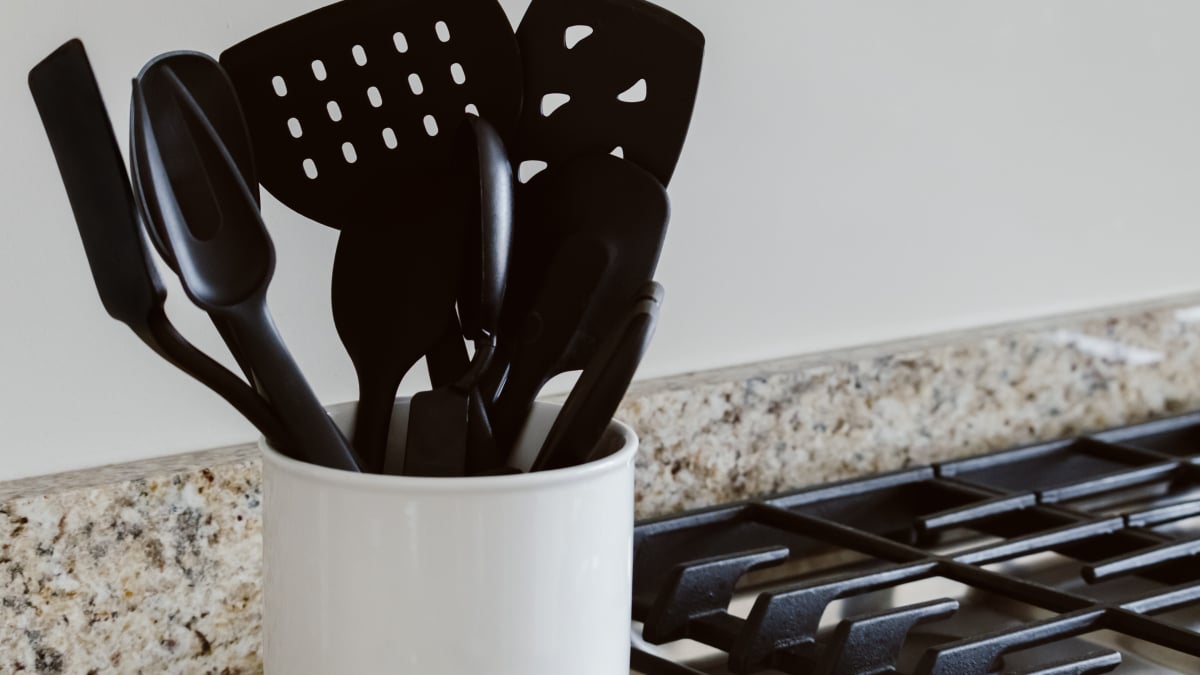
If TikTok has prompted you to reconsider the safety of your black plastic kitchen utensils, take a moment to understand that these items are not as perilous as they may appear. Recent discussions fueled by viral studies have raised concerns, but it’s crucial to delve deeper into the facts. Many kitchen tools are made from durable materials, and while it’s wise to be cautious, the panic surrounding black plastic utensils may be unwarranted. Understanding the science behind these materials can help you make informed decisions about your kitchenware choices.

In November, a study gained traction on social media, suggesting that black plastic kitchen utensils were leaking significant amounts of toxins into our food. This alarming claim focused on a flame retardant that, according to the study, originated from recycled electronics used in the manufacturing of these utensils. However, as reported by Canada’s National Post, there was a critical flaw in the study’s methodology that questions the reliability of its conclusions. It’s essential to critically evaluate such studies before making drastic lifestyle changes.
The study aimed to quantify the median amount of flame retardant toxins potentially released from black plastic spatulas during cooking. It reported a figure of 34,700 nanograms per day, which alarmingly approached the Environmental Protection Agency’s (EPA) limit of 42,000 nanograms. This sensational figure sparked widespread panic on platforms like TikTok, leading many to dispose of their black plastic cooking utensils. Social media was flooded with posts urging others to follow suit, creating a wave of fear regarding common kitchen items.
However, the study contained a fundamental mathematical error that may have exaggerated its findings. The National Post pointed out that the researchers calculated the EPA limit by multiplying 7,000 nanograms of the toxin per kilogram of body weight by 60, which represents the average weight of adults. This calculation was intended to yield a daily exposure limit for a person weighing 60 kilograms (132 pounds). The accurate multiplication should have resulted in 420,000 nanograms, indicating that the actual exposure levels are significantly lower than initially presented, less than one-tenth of the EPA limit.
Mashable Top Stories
It’s important to note that while the presence of toxins in black plastic utensils is concerning, the exaggerated figures reported have contributed to unnecessary alarm. As science communicator Hank Green highlighted on Bluesky, the study’s findings were somewhat overstated due to a simple calculation mistake. This serves as a reminder that not all viral studies are accurate, and critical thinking is essential when interpreting scientific data.
Toxic-Free Future, the advocacy group responsible for the study, acknowledged the mathematical error but maintained that it does not alter the overall conclusions of their research. They emphasized in their public statement on Bluesky that the core findings, conclusions, and recommendations remain valid despite this mistake. This highlights the complexity of interpreting scientific studies and the importance of thorough analysis before reacting to sensationalized claims.
While it may still be prudent to exercise caution regarding the use of black plastic utensils, it’s clear that the sensational headlines and viral TikToks may have misled many consumers. Staying informed and relying on accurate information can help you navigate the complexities of kitchen safety without unnecessary panic.
var facebookPixelLoaded = false;
window.addEventListener(‘load’, function(){
document.addEventListener(‘scroll’, facebookPixelScript);
document.addEventListener(‘mousemove’, facebookPixelScript);
})
function facebookPixelScript() {
if (!facebookPixelLoaded) {
facebookPixelLoaded = true;
document.removeEventListener(‘scroll’, facebookPixelScript);
document.removeEventListener(‘mousemove’, facebookPixelScript);
!function(f,b,e,v,n,t,s){if(f.fbq)return;n=f.fbq=function(){n.callMethod?
n.callMethod.apply(n,arguments):n.queue.push(arguments)};if(!f._fbq)f._fbq=n;
n.push=n;n.loaded=!0;n.version=’2.0′;n.queue=[];t=b.createElement(e);t.async=!0;
t.src=v;s=b.getElementsByTagName(e)[0];s.parentNode.insertBefore(t,s)}(window,
document,’script’,’//connect.facebook.net/en_US/fbevents.js’);
fbq(‘init’, ‘1453039084979896’);
fbq(‘track’, “PageView”);
}
}


 Daniel Mercer