 Brandon Fletcher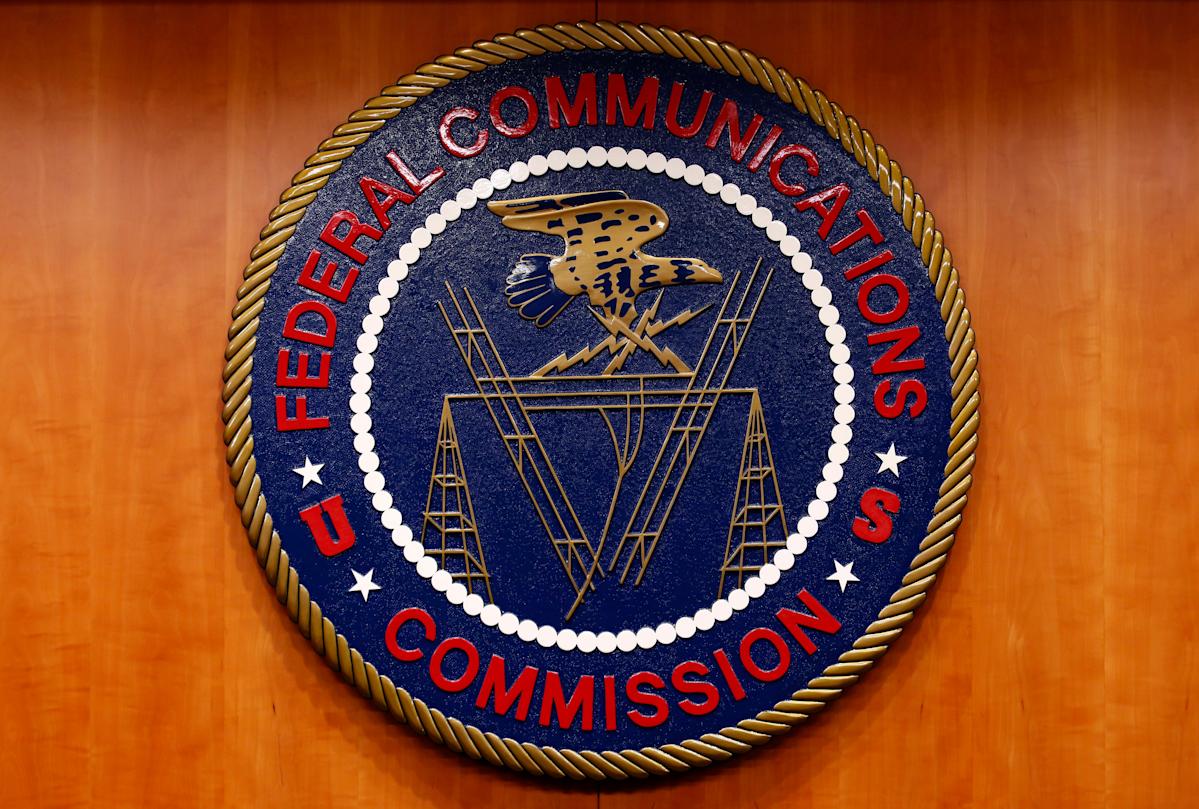
The Federal Communications Commission (FCC) is a regulatory body because it oversees communications equipment standards, which matters for consumers and manufacturers in the technology sector.

At SocialSchmuck, we specialize in social media, entertainment, and technology news, helping tech enthusiasts and consumers achieve informed decisions about their technology purchases.
Our platform monetizes through advertising, partnerships, and affiliate marketing, ensuring we provide valuable insights while generating revenue. This guide covers the recent FCC ruling on foreign-made routers, its implications for consumers, and the potential impact on manufacturers.
Key attributes covered in this article include:
- Overview of the FCC’s ruling
- Implications for consumers and manufacturers
- Potential legal challenges
- Future of router availability
- Timeline for compliance
What is the FCC’s ruling on foreign-made routers?
The FCC has designated any consumer routers manufactured outside the US as a security risk. This ruling means that new foreign-made router models will be added to the Covered List, which includes communications equipment deemed to pose an unacceptable risk to national security.
Previously purchased routers can still be used. Retailers may continue selling models approved under prior FCC policies. However, routers on the Covered List will remain eligible for updates until at least March 1, 2027, with potential extensions.
Why is the FCC implementing this rule?
The ruling aligns with the White House’s 2025 national security strategy, which emphasizes reducing dependence on foreign powers for critical components. The FCC states that companies can seek conditional approval for new products from the Department of War or the Department of Homeland Security.
To gain this approval, businesses must present a plan to shift some manufacturing to the US. This requirement aims to bolster domestic production and enhance national security.
What are the potential impacts on manufacturers?
Few brands known for consumer-grade routers currently manufacture products in the US. This sweeping provision could face legal challenges and create confusion for companies with overseas production facilities.
Notably, Chinese tech giants like TP-Link and US companies such as NetGear, Eero, and Google Nest will be significantly affected. Many of these companies have manufacturing operations in Asia, including regions like Taiwan, which have historically maintained good relations with the US.
What can consumers expect moving forward?
Until the sector adapts to these new restrictions, consumers should not anticipate new router models on store shelves. This lack of availability may impact consumer choices and market competition.
As of 2026, the landscape of consumer routers may change significantly due to these regulations. Companies will need to navigate compliance while maintaining product availability for consumers.
How will this ruling affect router prices?
| Router Type | Price Range (USD) | Manufacturing Location |
|---|---|---|
| Domestic Routers | $100 – $300 | USA |
| Foreign Routers | $50 – $150 | Asia |
The price of routers may increase as domestic manufacturing ramps up. Consumers may face higher costs for products made in the US compared to foreign-made options.
What are the next steps for manufacturers?
Manufacturers must adapt to these new regulations by evaluating their production strategies. Companies will need to consider relocating manufacturing to the US or developing new products that meet FCC standards.
The compliance timeline is critical. Companies must act swiftly to avoid disruptions in product availability and maintain market competitiveness.

 Daniel Mercer
 Ethan Carter