 Daniel Mercer

Understanding the Importance of Twisted Wires in Ethernet Cables
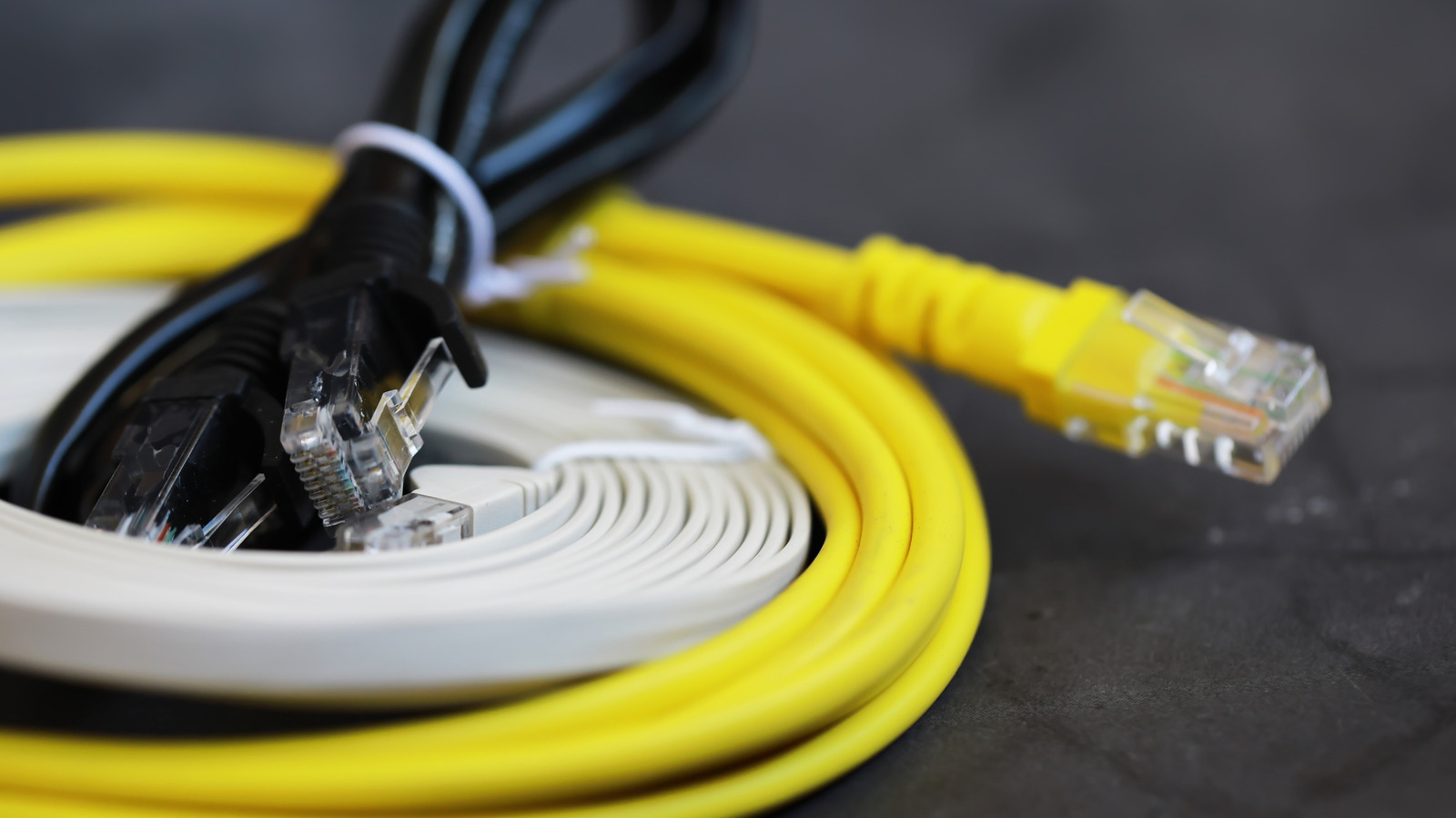
Typically, the words “twisted” and “cable” don’t belong together in a positive context. Tangled or kinked wires can certainly lead to performance issues or even damage. in the realm of Ethernet cables that connect your home to the internet, the internal twists play a crucial role in optimizing the internet signal. Let’s explore the scientific principles that explain the necessity of twisted wires in Ethernet cables.
Understanding Electromagnetism in Twisted Pair Wires
Twisted pair wires are not a contemporary invention. This technology traces back to Alexander Graham Bell and gained traction in the 1880s with its application in the United States’ first telephone lines. Today, twisted pair cables continue to be the standard in Ethernet technology.
The advantages of twisting wires stem from the principles of electromagnetism. Electric charges flowing through a wire generate a magnetic field around it. When two wires run parallel to each other, the magnetic field of one can disrupt the electrical flow in the other, leading to slower signal transmission. By twisting the wires together, their opposing magnetic fields counteract potential disruptions, allowing electrical signals to travel at optimal speeds. This design is essential for minimizing interference.
What Occurs Within Your Ethernet Cables
Modern Ethernet cables typically consist of four pairs of twisted copper wires. Depending on the data transmission needs, not all pairs are necessarily active simultaneously. for high-performance standards such as gigabit internet, all four pairs work together. These cables are equipped with a foil shielding around the bundled wires, which helps protect the signals from external interference. The design of twisted pairs is crucial in reducing the risk of cross-talk, a phenomenon where adjacent wires disrupt each other’s signals.
The varying twist rates of each of the four pairs are also significant. Different twisting rates help prevent the magnetic fields from each pair from causing interference with one another. If all pairs were twisted identically, they could experience the same performance issues as parallel wires, defeating the purpose of the twisting.
While twisted pair wires are common in modern technology, you don’t need to specifically look for them when upgrading your home Ethernet lines. Now, you have a deeper understanding of the science that keeps you connected to the digital world.


 Brandon Fletcher