 Brandon Fletcher
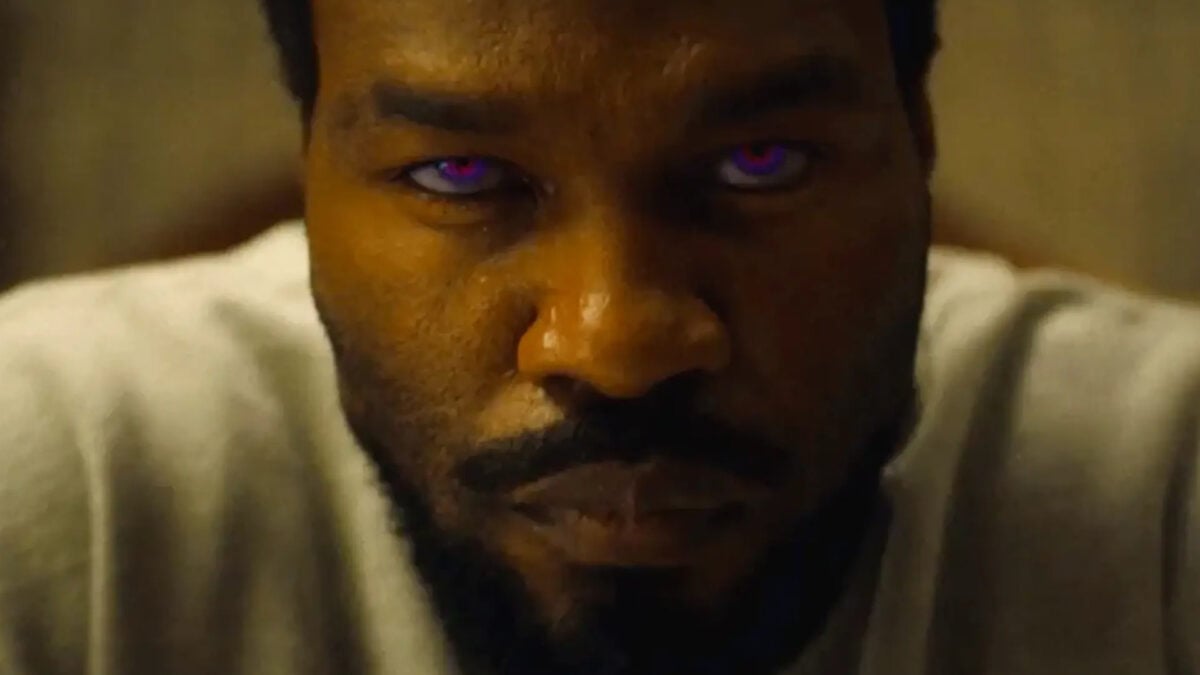

Luminate, a data intelligence firm, has published a comprehensive 32-page report analyzing the surge of canceled television shows across streaming, broadcast, and cable platforms in recent years.
Focusing primarily on the period from 2022 to 2025, one of the report’s notable insights pertains to Netflix. While the platform is often criticized for its cancellation practices, it has actually renewed nearly 50% or more of its scripted and unscripted programming during this timeframe. This renewal rate frequently compares favorably to competitors like Prime Video and Paramount, depending on the specific year. For instance, in 2023, Netflix achieved a renewal rate of 57%, significantly higher than Paramount’s 38%. In 2024, Netflix’s rate was 49%, while Prime Video led with 62%. Despite fluctuations in Netflix’s cancellation numbers over the four years, it is essential to note that some shows are quietly ended or not renewed at all.
“When excluding planned endings, which may or may not be influenced by the creators, around 41% of Netflix’s U.S. lineup in 2025 was not renewed. In contrast, only 11% faced outright cancellation,” Luminate reported. “Despite this, Netflix leads all its competitors both in percentage and absolute numbers regarding renewals.”
Streaming platforms present significant challenges for new shows, both scripted and unscripted, unlike traditional broadcast and cable networks. Over the four-year span, the probability of a scripted streaming show reaching its second season was at least 48%, peaking at 55%. A critical factor impacting these numbers is viewer retention. For instance, Luminate’s data indicates that the recently canceled series Wonder Man achieved a retention rate of 52%, equating to approximately 6.5 million estimated views. This performance ranks it third among a group of shows, while the lowest retention was observed with AppleTV’s The Last Frontier, which reported just 30%. Generally, shows that maintain a retention rate of 50% or higher are expected to be renewed; however, Wonder Man exemplifies that this is not an absolute guarantee.
The report’s findings highlight that the situation is just as bleak for adult animation on streaming platforms, with Luminate documenting a consistent decline in both premieres and renewals from 2021 to 2025. Similarly, children’s animation has suffered, with both streaming and cable networks dropping to around or below 25% renewal rates by 2025. These declines in animation reflect broader cutbacks and shifting corporate priorities in recent years, although children’s content has been reported to maintain a “relatively stable” presence on cable.
Luminate’s report offers a wealth of information, but a key takeaway is the challenging conditions facing streaming and cable television. In contrast, broadcast networks are more likely to secure renewals due to “more straightforward programming decisions and clearer viewership metrics.” Meanwhile, cable networks are increasingly described as “ghost towns,” as companies like NBC and Disney reduce their renewal efforts. For example, Disney’s renewal rate slightly dipped from 33% in 2024 to 31% in 2025, while AMC saw a more significant decline from 57% to 30% during the same period.
Despite the successes of shows like Lanterns and Reacher, there are noticeable weaknesses in the television landscape, exacerbated by ongoing economic challenges in Hollywood. For those curious about the outlook for the 2026 television slate, Luminate characterized it as “not encouraging,” based on data collected during the first half of the year. Even with incomplete information, the firm suggested that it would not be surprising if streaming renewals continued to decrease by the end of the year, nor if cable persisted in its “dire” renewal rates.
Interested in more io9 updates? Discover the best movies and TV shows to stream this month, along with all the upcoming sci-fi, fantasy, and horror books that should be on your radar.


 Daniel Mercer
 Ethan Carter