Ivy Caldwell
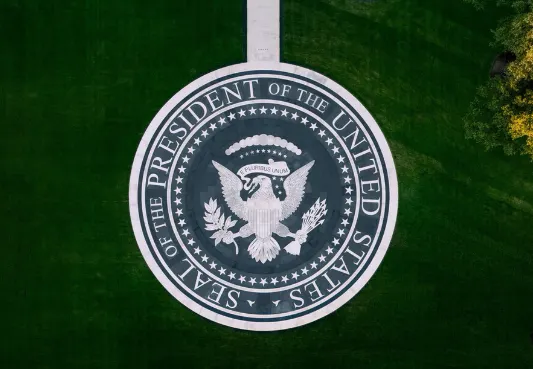

Social media platforms are not required to take a definitive stance on whether to broadcast a livestream of a U.S. military execution. On October 15, U.S. President Donald Trump announced via a Truth Social post that the execution will not be livestreamed, countering initial claims by U.S. Defense Secretary Pete Hegseth.
In a recent interview with podcaster Jack Posobiec, Hegseth revealed that the impending military execution of Nidal Hasan would be streamed live to allow the public to witness the event.
Nidal Hasan, responsible for the deaths of 13 individuals and injuries to 32 others during the 2009 mass shooting at Fort Hood, Texas, was sentenced to death in 2013. According to a Reuters report, President Trump ordered that Hasan’s execution be conducted by firing squad. Following this, the Pentagon indicated on October 8 that they would facilitate a livestream of the execution, as reported by Reuters.
During his podcast discussion, Hegseth did not provide details about how the livestream would be organized or identify any specific social media platforms that would host the broadcast. Nevertheless, it was implied that several platforms would be invited to stream the event, which drew significant backlash from various communities.
However, on October 15, President Trump announced on Truth Social that the livestream of the execution would not take place.
Trump stated, “I think streaming the execution for all to see might have been a strong deterrent for the world to witness how America deals with terrorists and individuals like Hasan, but many good and well-meaning people would prefer not to watch him die, whether through streaming or any other visual means.”
He further noted that the families of Hasan’s victims would have the option to view the execution privately.
As reported by NBC, Trump reconsidered the idea of livestreaming the execution after learning that Hasan was paralyzed due to injuries sustained during the 2009 attack.
This decision means that social media platforms will not need to navigate the potential political and reputational consequences of either permitting or denying the broadcast. This outcome likely provides relief for executives at major platforms, considering the nuanced relationship they maintain with the Trump administration.
Additionally, this means the public will likely remain unaware of each platform’s position, which could have shed light on how far they would go to accommodate Trump’s preferences.
Platforms like Meta and X have shown a clear readiness to comply with the demands of the Trump administration regarding content moderation and third-party fact-checking during his second term in office.


 Cameron Steel
 Maya Kensington