David Bridges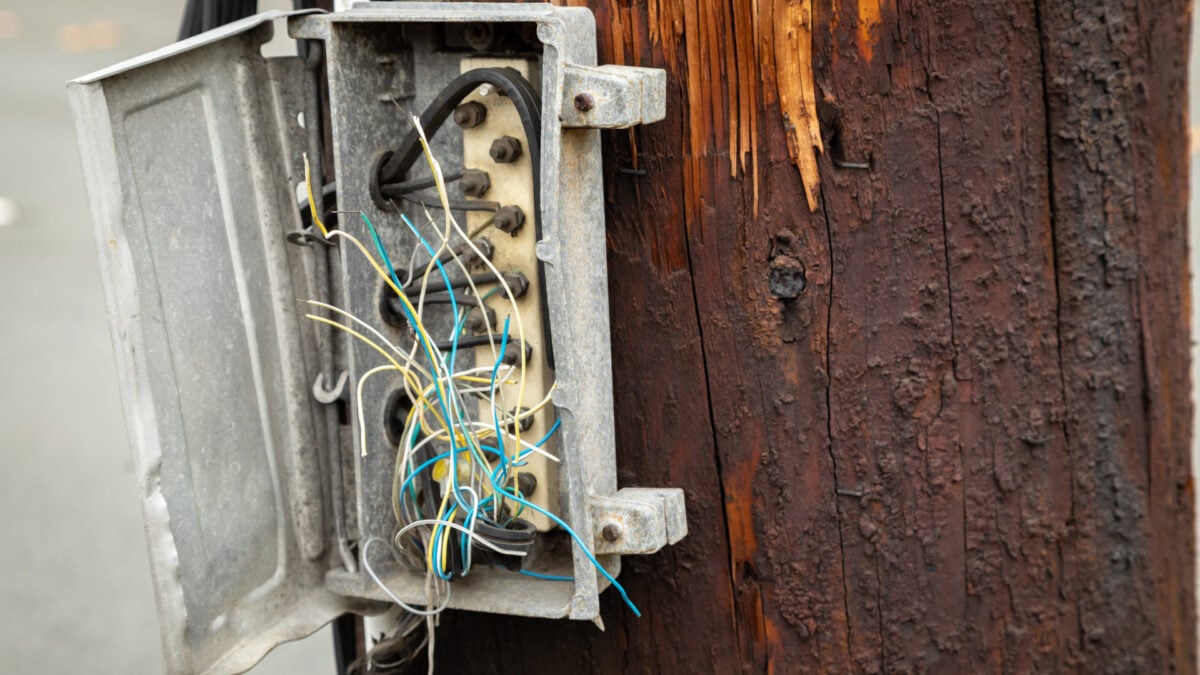

Key Highlights
- Theft Increase: Copper wire thefts in Los Angeles have surged, impacting EV charger availability.
- Repair Costs: Repairing vandalized EV charging stations can cost hundreds to thousands of dollars.
- Legislative Action: California has implemented stricter laws on metal recycling to deter theft.
- Proposed Solutions: Suggestions include thicker cables and wireless charging to combat theft.
Copper wire thefts have increased in Los Angeles and other cities, but with thieves looking outside of street lights for cables to cut, drivers expecting to use EV chargers are sometimes caught off-guard.
However, for the person trying to steal copper from the station, the crime is a dangerous proposition. Given the high voltage that charging units use, and the limited financial return from scrap buyers, it’s questionable if the effort is worth it. Focusing on the economics involved could potentially lead to solutions for those trying to stop this scourge.
With a significant number of cut cables and smashed charging units being harvested for copper wire now, companies, governments, and EV advocates are proposing a range of measures from greater enforcement and penalties to cables that cover a vandal with ink—similar to the measures employed against bank robbers. Such a system has also been discussed in the UK, according to a BBC story from April.
Los Angeles-based ChargerHelp, which helps train technicians to diagnose and repair EV charging stations and offers data on station uptime and downtime, and the Los Angeles Cleantech Incubator, recently spoke about the problem in that city where many neighborhoods continue to experience widespread copper wire thefts, leaving some of them dark. Thefts at public and workplace EV charging stations have also grown and cost hundreds or thousands of dollars each to repair.
“For level two, slower chargers, you’re seeing anywhere between $650 to $700 for the connector plus the labor. But then, when you start talking about DC fast chargers, it can go all the way up to $1,500,” ChargerHelp CEO Kameale C. Terry told Los Angeles’ KABC on Oct. 22.
Some solutions sound simple, such as thicker cables that are harder to cut, or using wireless charging pads for cars. However, thicker cables are heavier and more cumbersome for some drivers to use, and the only EV with wireless charging capability set for sale in the US is the Porsche Cayenne Electric, which has only been seen in prototype form.
Several bills in California have been signed in the last few years to hold various agencies accountable for broken and vandalized public EV charging stations in the state, such as mandating governments to identify and repair broken charging units within 30 days.
California Governor Gavin Newsom recently signed a bill into law that imposes stricter laws and penalties for metal recycling, including requirements for identification and personal information from sellers, identification of the vehicle used to transport the material, and proof that the metal being sold was legally obtained. There are also restrictions on what metal scrap buyers can lawfully accept, specifically targeting materials from EV chargers.
Matt Petersen, CEO of the Los Angeles Cleantech Incubator, mentioned that even charging stations at his offices have been targeted. He and Terry told KABC that they are concerned that increased downtime and vandalism of charging stations will further hurt EV adoption and slow the addition of stations for existing electric drivers unless solutions are found soon.
“All our focus is, ‘How do we accelerate transportation electrification?’”


 Daniel Mercer
 Ethan Carter