 Daniel Mercer
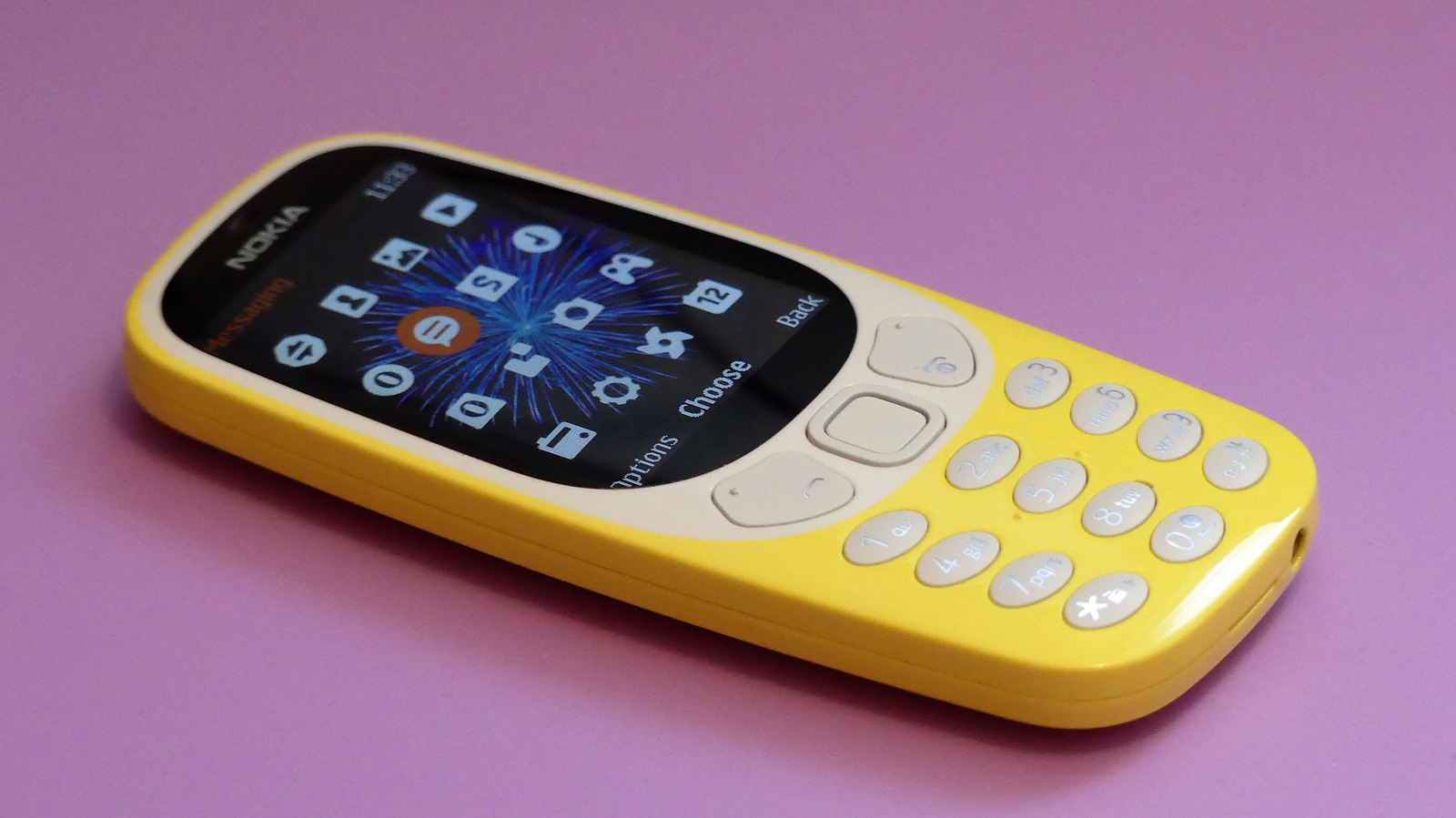

dumb phones are inexpensive and limit distractions, but switching from a smartphone means giving up useful everyday features.
Key points to weigh before choosing a dumb phone
- Screen time: A dumb phone can reduce distractions because many models do not support social media and other third-party apps.
- Battery life: Some dumb phones last for days on a charge, and the TCL Flip Go is rated for around 14 days on standby.
- Purchase cost: Dumb phones usually cost less than $100 in the US, while the least expensive Android phones typically cost about twice as much.
- Everyday access: Many dumb phones lack mobile payment, navigation, banking and authentication apps, so they may work better as a second phone than a replacement.
Dumb phones are basic mobile phones designed mainly for calls and text messages, while smartphones support a broader range of apps and services. This guide compares their main trade-offs to help you decide whether to use a dumb phone as a companion device or a smartphone replacement.
Dumb phones trade app access and convenience for fewer distractions, lower prices and, on some models, longer battery life.
What is the main benefit of using a dumb phone?
Dumb phones can make it easier to spend less time on a screen because many models cannot install social media and other distracting apps. Their small screens and less powerful chips can also support longer battery life than a smartphone.
Dumb phones limit app access, which can reduce opportunities for digital distraction.
Framesira/Shutterstock
For many people, the main appeal of a dumb phone is reducing screen time. Social media, email and constant notifications can be difficult to avoid on a smartphone, even with tools such as Screen Time on an iPhone. Setting app limits may not help people who habitually check their phones, while many basic phones simply do not let users install those apps.
Some dumb phones only include built-in tools for calls, messages and alarms. Other models use a basic version of Android that can run selected apps, such as games, GPS navigation and music players, but they offer fewer capabilities than modern smartphones.
Battery life is another potential advantage. Small screens and less powerful chips can help some basic phones last for days between charges. The TCL Flip Go, for example, has a battery rated to last around 14 days on standby.
A phone that lasts longer between charges can suit specific activities, including road trips and hikes. The standby rating describes the phone when it is not in active use, so it should not be read as a guarantee of the same runtime during calls or app use.
Privacy can also be a consideration: without third-party apps, a phone has fewer app-based trackers collecting data. Many dumb phones cost less than $100 in the US, while the least expensive Android phones usually cost about twice as much.
What do you give up when you switch to a dumb phone?
A dumb phone may not support the mobile payments, camera quality, navigation, messaging and banking tools available on a smartphone. Many models also have limited internet access and rely on 4G, while some more expensive options support 5G.
Dumb phones often lack the apps and network capabilities that make smartphones convenient for everyday tasks.
Rui Elena/Shutterstock
Replacing a smartphone with a dumb phone means giving up some everyday conveniences. Basic phones may not support Apple Pay or Samsung Pay, and their cameras may not match the quality of a smartphone camera.
Without third-party apps, a dumb phone may not run Uber or Google Maps. Music streaming services such as Spotify and Apple Music may also be unavailable.
Messaging options vary by model, but some phones rely on SMS or RCS instead of iMessage, WhatsApp or Telegram. Internet access also differs: many models are limited to 4G, while 5G models are harder to find and cost more.
Some dumb phones cannot run two-factor authentication apps such as Google Authenticator, and banking apps may not work. If access to those services is essential, keeping a smartphone may be necessary.
A dumb phone can still suit someone seeking fewer notifications and less exposure to app-driven distractions. In practical terms, it may be more useful as a second phone than as a complete smartphone replacement.
Which is the better choice: a dumb phone or a smartphone?
A dumb phone may suit someone who prioritizes fewer distractions, a lower purchase cost or long standby time. A smartphone is more suitable when mobile payments, maps, streaming, banking or authentication apps are needed.
The right choice depends on whether reduced app access outweighs the convenience of smartphone services.
- Choose a dumb phone for basic calls and texts, fewer app distractions and a lower-cost device.
- Keep a smartphone if you rely on mobile payments, navigation, messaging apps, streaming, banking or authentication.
- Consider both if you want a simpler phone for selected activities but still need smartphone apps for everyday tasks.
Checking which apps and services you use regularly can clarify whether a basic phone can meet your needs on its own or is better treated as a companion device.
Common questions about dumb phones
Are dumb phones cheaper than smartphones?
Many dumb phones cost less than $100 in the US, while the least expensive Android phones usually cost about twice as much.
Do dumb phones have long battery life?
Some models can last for days on a charge. The TCL Flip Go is rated for around 14 days on standby.
Can you use Google Maps on a dumb phone?
Some basic phones do not support Google Maps or other third-party apps, although models running a basic version of Android may support selected apps.
Do dumb phones support WhatsApp?
Support depends on the model; some dumb phones rely on SMS or RCS and do not offer WhatsApp or other messaging apps.
Can a dumb phone replace a smartphone?
A dumb phone can handle basic calls and messages, but many models lack mobile payments, banking and authentication apps, so some people may prefer to keep a smartphone as well.