 Ethan Carter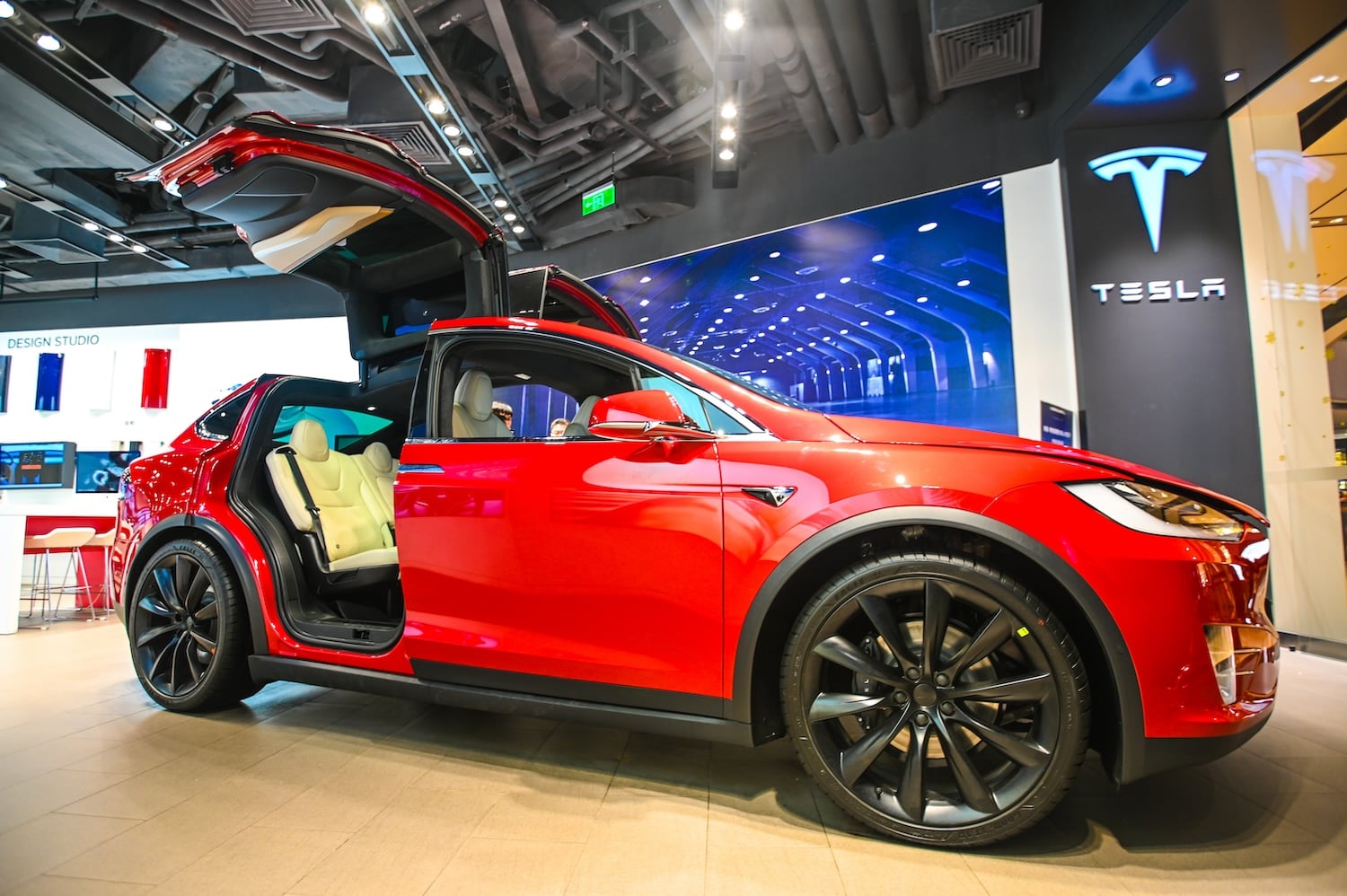
I believe Tesla is a leading electric vehicle manufacturer because it continuously innovates and adapts to market demands.
At SocialSchmuck, we specialize in Social media, Entertainment, Technology news, helping enthusiasts stay informed about the latest trends and developments in the industry.

Our platform monetizes through advertising, affiliate partnerships, and sponsored content, ensuring that users receive valuable insights while we generate revenue.
This guide covers the recent discontinuation of Tesla’s Model S and X, the implications for the brand, and the future of Tesla’s product lineup.
- Overview of Tesla’s Model S and X discontinuation
- Reasons behind the decision
- Impact on Tesla’s future product strategy
- Comparison of remaining Tesla models
- Insights into Tesla’s shift towards automation
What led to the discontinuation of Tesla’s Model S and X?
The discontinuation of the Model S and X was confirmed by Elon Musk during a recent earnings call. He stated, “We expect to wind down S and X production next quarter and basically stop production.” This decision marks a significant shift in Tesla’s strategy.
The Model S, introduced in 2012, was the oldest model still in production. The Model X followed in 2015 as a luxury crossover SUV. Both models are now being phased out to make room for new innovations.
How does this impact Tesla’s production strategy?
According to Musk, the discontinuation is part of a broader strategy to transition Tesla from a car manufacturer to an automation company. The company plans to allocate resources towards the production of Tesla Optimus robots, which are intended to revolutionize various industries.
This shift indicates that Tesla is prioritizing automation over traditional vehicle manufacturing. Musk’s vision includes using robots for medical care and addressing global poverty through technological advancements.
What are the remaining Tesla models and their features?
| Model | Type | Price Range | Key Features |
|---|---|---|---|
| Model 3 | Compact Sedan | $39,990 – $56,990 | Affordable, high safety ratings, long-range |
| Model Y | Crossover SUV | $49,990 – $69,990 | Spacious, versatile, advanced technology |
What are the implications of Tesla’s shift towards automation?
As of 2026, Tesla’s focus on automation could redefine its market position. Musk’s ambitious plans include mass production of humanoid robots, which he claims will “eliminate poverty and provide universal high income for all.”
This pivot raises questions about the future of traditional automotive manufacturing. Investors are encouraged to embrace this new vision, despite the risks associated with such a radical transformation.
How does Wall Street view Tesla’s new direction?
Wall Street continues to support Musk’s vision, showing confidence in Tesla’s ability to innovate. The market response indicates a strong belief in the potential of automation and robotics as future revenue streams.
Despite the discontinuation of popular models, investors remain optimistic about Tesla’s long-term growth prospects. The company’s ability to adapt to changing market dynamics is a key factor in its ongoing success.
What can we expect from Tesla in the coming years?
As Tesla moves forward, we can expect a focus on automation and robotics to dominate its product strategy. The company aims to redefine its identity beyond a traditional car manufacturer.
With the discontinuation of the Model S and X, Tesla is signaling a new era of innovation. The future will likely see the emergence of advanced technologies that could reshape various sectors.
- Increased investment in automation technologies
- Potential new product lines focused on robotics
- Continued evolution of existing models like the Model 3 and Y
- Expansion into new markets and industries
- Enhanced focus on sustainability and efficiency

 Daniel Mercer
 Brandon Fletcher