David Bridges

Understanding Cop on Cop Violence
Accidental Taser Incident Between Deputies
… A Misfire During a High-Stakes Arrest
Published June 25, 2025 1:14 PM PDT
|
Updated June 25, 2025 1:58 PM PDT
Facebook / Zay Tillman
A viral video has recently emerged, capturing an intense moment where a sheriff’s deputy in Florida accidentally discharged his Taser, striking his partner in the back. This incident, which has garnered significant attention online, showcases the unexpected dangers law enforcement officers face, even from their own team members, highlighting the need for better training and awareness in high-pressure situations.
The Jacksonville Sheriff’s Office has reported that their deputies were engaged in an arrest following a weekend traffic stop when the suspect, identified as Kheilan Haynes, began to resist apprehension. This incident illustrates the complexities law enforcement faces during routine traffic stops, where suspects may become uncooperative, leading to unpredictable outcomes and heightened tensions.
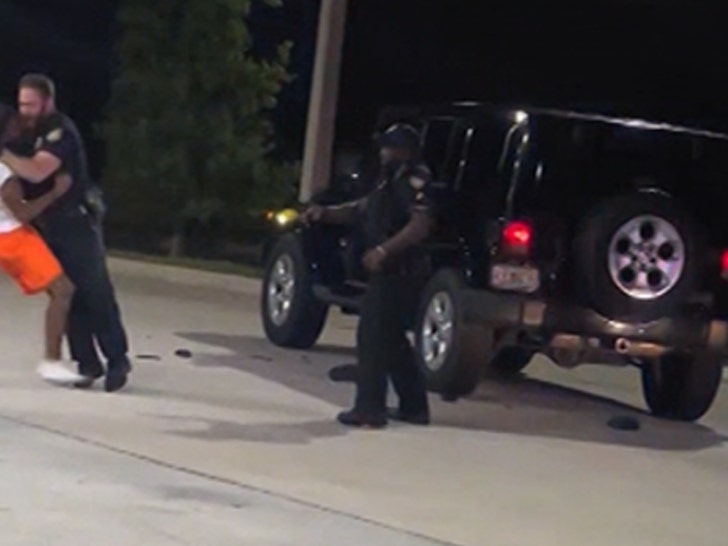
In the footage, viewers can observe two deputies engaged in a physical struggle with a man on the ground adjacent to a Jeep. As tensions escalate, one deputy steps back, draws his Taser, and fires it. Unfortunately, instead of hitting the intended suspect, the Taser strikes his partner in the backside, causing him to stiffen and collapse to the ground, while the suspect seizes the opportunity to flee the scene. This incident underscores the critical importance of clear communication and coordination among law enforcement personnel during high-stress encounters.
According to the arrest report obtained by TMZ, Sergeant T. Robinson has stated that he was the one who inadvertently Tasered his partner, Officer Z.J. Poole. This incident raises questions about the training and protocols in place for using non-lethal weapons like Tasers in the field, especially in chaotic situations where mistakes can lead to serious consequences.
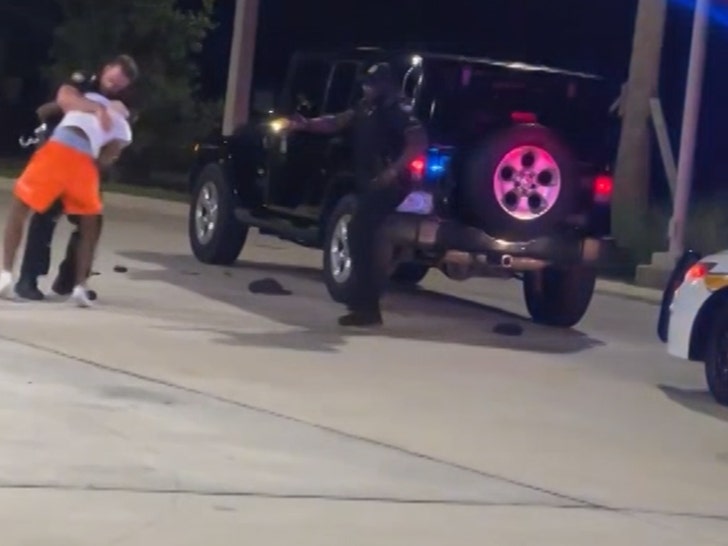
Sergeant Robinson reported that his initial shot did strike Haynes, but the Taser appeared to have no immediate effect. Consequently, he fired again; however, the probes missed their intended target and instead hit Officer Poole. This time, the Taser functioned as intended, demonstrating the unpredictability of using such devices in volatile situations and highlighting the risks involved in law enforcement operations.
Law enforcement officials have indicated that Haynes was actively resisting arrest, refusing to remove his hands from beneath his body while on the ground. This resistance prompted Sergeant Robinson to deploy his Taser in an attempt to subdue him, illustrating the challenges officers face in maintaining control during arrests, especially when suspects are uncooperative.

The Jacksonville Sheriff’s Office indicated that Haynes was initially stopped for allegedly running a red light. Following the traffic stop, deputies pursued him on foot after he attempted to flee the scene. Eventually, they managed to incapacitate him with a Taser, demonstrating the persistence and dedication of law enforcement in ensuring public safety, even when faced with resistance.
As a result of his actions, Haynes now faces a felony charge related to fentanyl possession, alongside misdemeanor charges for resisting an officer without violence and for possessing a small amount of marijuana. This case highlights the ongoing challenges law enforcement faces when dealing with drug-related offenses and the legal repercussions that stem from such encounters.


 Cameron Steel