 Brandon Fletcher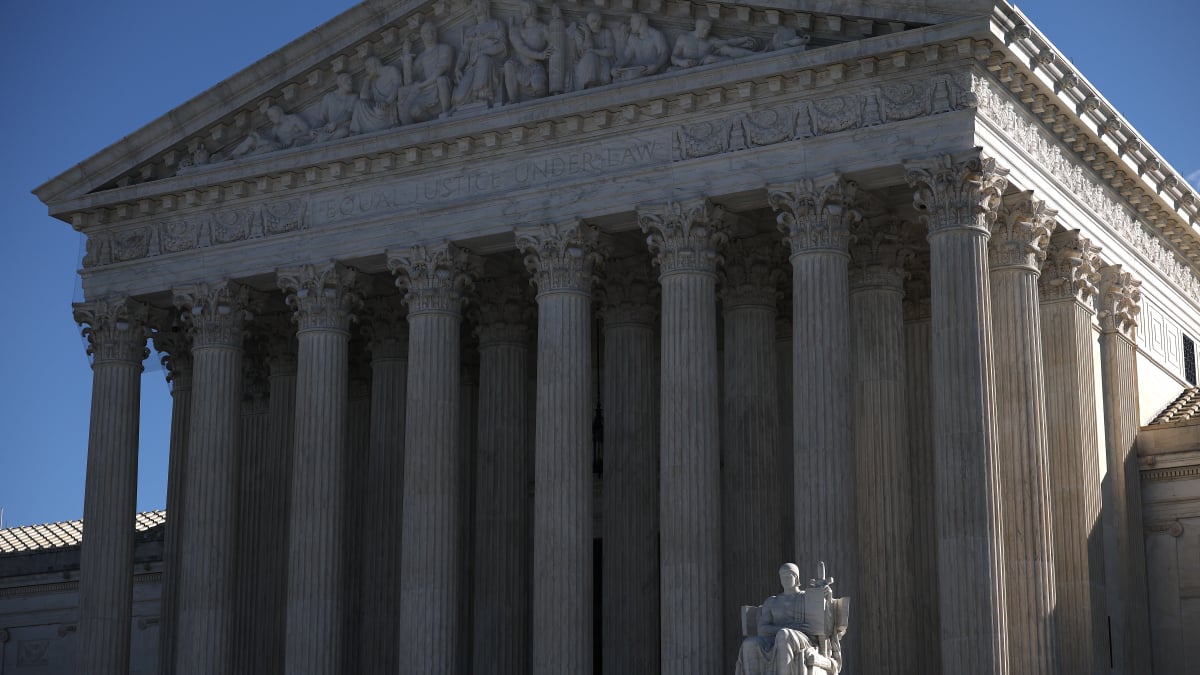
AI-generated art is a legal challenge because the U.S. Supreme Court has declined to hear a pivotal copyright case, which matters for artists and creators navigating copyright laws.

At SocialSchmuck, we specialize in Social media, Entertainment, Technology news, helping creators, artists, and tech enthusiasts achieve clarity and understanding in the evolving landscape of copyright law.
The decision not to hear the case reflects ongoing tensions in copyright law regarding AI-generated content. This affects how artists use AI tools in their creative processes.
- Understanding copyright eligibility for AI-generated art.
- Exploring implications for artists using AI tools.
- Analyzing recent legal interpretations and their impact.
The U.S. Supreme Court recently chose not to review a case concerning whether AI-generated art can receive copyright protection under U.S. law. This decision follows an appeal from Stephen Thaler, who sought copyright for a digital artwork created using personal AI software. His application was initially rejected by the U.S. Copyright Office in 2022, which argued that the artwork was ineligible due to its non-human origin.
As of 2025, a report from the U.S. Copyright Office further clarified that “unedited outputs of generative AI tools” would not qualify for copyright protection. However, art produced with AI that retains significant human creativity could be eligible.
| Criteria | Eligible for Copyright | Not Eligible for Copyright |
|---|---|---|
| Human Creativity | Art with significant human input | Purely AI-generated art |
| AI Assistance | Art assisted by human creativity | Unedited AI outputs |
The ongoing debate over AI-generated and AI-assisted artworks remains unresolved. The Copyright Office has previously dismissed claims from artists who argue that their AI-assisted creations should qualify for copyright protection under the latest interpretations of U.S. copyright law.
Thaler has also pursued appeals regarding rejected applications for U.S. patents on AI-generated inventions. Reports indicate that the previous administration had pressured the court to deny Thaler’s copyright case.
- Legal battles continue over AI’s role in creativity.
- Implications for future copyright interpretations.
- Potential changes in patent eligibility for AI inventions.
Thaler’s legal team expressed disappointment with the Supreme Court’s decision. They believe that even if the court later revises the Copyright Office’s stance, the damage to AI development in the creative sector could be irreversible during crucial years.
As of 2026, the landscape of copyright law surrounding AI continues to evolve, making it essential for artists and creators to stay informed about their rights and the implications of these legal interpretations.
| Year | Event | Impact |
|---|---|---|
| 2018 | Thaler files for copyright | Initial rejection by Copyright Office |
| 2022 | Copyright Office’s rejection | Clarification on AI-generated art eligibility |
| 2025 | U.S. Copyright Office report | Further interpretation of copyright law |
Mashable Light Speed


 Daniel Mercer