David Bridges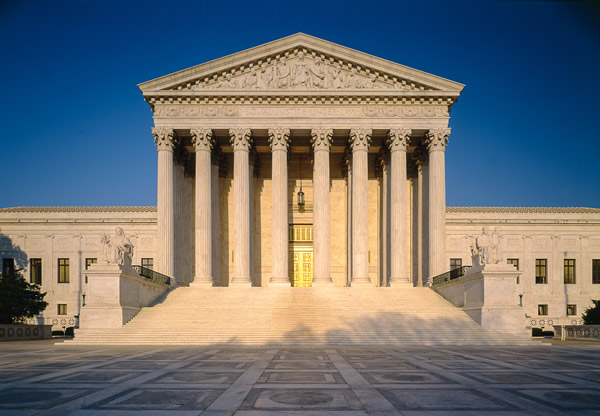
President-elect Donald Trump is actively seeking a delay from the Supreme Court regarding the impending law that could potentially impose a ban on the popular social media platform, TikTok. In a detailed amicus brief, Trump’s attorney, D. John Sauer, articulated the future president’s desire to explore a resolution to the ongoing issues surrounding TikTok “through political means.” This suggests that Trump aims to leverage his political influence to negotiate a favorable outcome for the app.

The legal requirements for either banning or mandating the sale of TikTok are scheduled to take effect on January 19, 2025, just one day prior to Trump’s inauguration. The brief characterizes the timing of this ban as “unfortunately timed,” and emphasizes the necessity for the incoming president to be given additional time to negotiate a potential agreement with TikTok. Notably, TikTok’s own legal representatives have echoed similar sentiments in their requests to postpone the implementation of the ban. Furthermore, the brief highlights Trump’s established reputation for dealmaking and his involvement with his social media platform, Truth Social.
According to Sauer, “President Trump alone possesses the consummate dealmaking expertise, the electoral mandate, and the political will to negotiate a resolution that could preserve the platform while simultaneously addressing the national security concerns articulated by the Government. These concerns are ones that President Trump has publicly acknowledged.” This statement underscores the confidence in Trump’s ability to navigate complex negotiations involving TikTok amidst national security discussions.
In a notable shift, Trump’s current perspective on TikTok significantly contrasts with his earlier approach during his first term, when he actively sought to prohibit the app in 2020. During that time, he proposed that Microsoft might be able to “work out a deal, an appropriate deal, so the Treasury of the United States gets a lot of money,” although he did not clarify how such an arrangement would materialize. This inconsistency raises questions about his evolving stance on technology companies and their role in the economy.
During his second campaign, President Trump notably revised his viewpoint on the TikTok ban. In an interview with CNBC’s Squawk Box in March, he expressed that banning TikTok could “make Facebook bigger,” further stating his belief that he considers Facebook to be “an enemy of the people,” aligning it with his criticisms of various media outlets. This statement reflects a broader concern regarding the concentration of power within social media platforms and their influence over public discourse.
The Supreme Court is set to hear arguments concerning the TikTok ban on January 10, which will be a critical moment in determining the fate of the platform under the new administration. The outcome of this hearing could have significant implications for both TikTok and the broader social media landscape.
If you buy something through a link in this article, we may earn commission.


 Daniel Mercer
 Brandon Fletcher