David Bridges

Many individuals are expressing their outrage regarding the presence of a live tiger at LSU’s football game against Alabama. This includes Carole Baskin, the founder of Big Cat Rescue, who spoke to TMZ Sports about the situation, stating that this event reflects a “blatant disregard for the tiger’s well-being.” Baskin’s comments highlight the ethical concerns surrounding the use of wild animals for entertainment purposes, especially in a stadium full of fans. Her passionate stance emphasizes the need for greater awareness and consideration for animal welfare in such contexts.
On Saturday, it was a notable occasion as it marked the first time since 2015 that a Panthera Tigris graced the field during an LSU football game. This appearance was made at the request of Louisiana governor Jeff Landry, who had initially requested that the university showcase its existing tiger mascot, Mike, during pregame activities. However, the university declined this request, leading the governor to pursue an alternative that involved bringing in a live tiger. This decision has sparked significant debate about the appropriateness and safety of such actions in the realm of college sports.

In a surprising turn of events, Landry decided to transport a tiger from Florida to the game, a choice that has frustrated Baskin for numerous reasons. The decision to bring a wild animal so far for the purpose of entertainment raises serious ethical questions and concerns about the treatment of the animal. Baskin’s strong reaction reflects broader worries about the implications of using wild animals in sporting contexts, emphasizing the need for responsible treatment of wildlife.
Baskin articulated her concerns clearly: “Bringing a live tiger to a football game is quite possibly a violation of the federal Lacey Act and Louisiana’s own dangerous animal laws, and it also sends the wrong message to students about respect for wildlife,” she stated. “Transporting a wild animal all the way from central Florida for a spectacle is a blatant disregard for the tiger’s well-being and reinforces the harmful idea that nature exists solely for our entertainment.” Her words serve as a powerful reminder of the ethical responsibilities that come with wildlife interactions.
What are your thoughts on LSU bringing a live tiger back into the stadium? pic.twitter.com/rPc8sUH6vI
— Alabama Crimson Tide | AL.com (@aldotcomTide) November 10, 2024
@aldotcomTide
“The questions that you and the public should be asking are whether the office of Governor Jeff Landry, the Tiger Athletic Fund, or the LSU Police Department utilized taxpayer money or failed to acquire the necessary permits just to satisfy the governor’s desire to see a tiger in the stadium, especially since Mike the Tiger (their campus mascot) dislikes attending the games,” Baskin added. This statement raises significant ethical and financial questions regarding the use of state resources for personal entertainment.
The Republican governor, in response to the backlash, stated to a local outlet that the entire event was intended to honor the university’s tradition of live mascots. However, despite these claims, the decision has faced considerable criticism from various groups and individuals who question the appropriateness of such actions. This incident highlights the ongoing debate about the ethics of using wild animals in sports and entertainment.
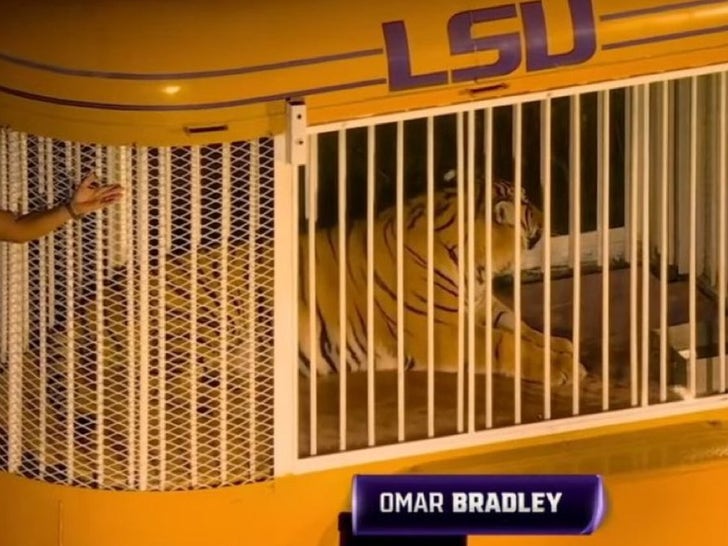
“This is about tradition,” Landry emphasized. “This is about honoring the legacy from Mike I to VI. We have had a live mascot on the field, as many other colleges have before us. Of course, we are honoring these Mikes. And no one will take away the dignity, respect, and love that we have for Mike VII.” His comments reflect a deep-seated belief in tradition, yet they also raise questions about the implications of such traditions in modern society.
A number of petitions have emerged in opposition to this controversial event, with one petition accumulating an impressive 14,837 signatures expressing dissatisfaction with the plans to involve a live tiger in the game. This significant response from the public illustrates a growing concern for animal rights and the ethical considerations of using wild animals for entertainment purposes.

Currently, there is no confirmation regarding whether the tiger will make another appearance in the future. However, the outcome of this event did not favor LSU, as the Tigers faced a disappointing defeat against the Crimson Tide, losing 42-13. This result adds another layer of complexity to the controversy surrounding the use of live animals in sports, especially considering the cultural significance of the tiger mascot at LSU.


 Troy Sanders