David Bridges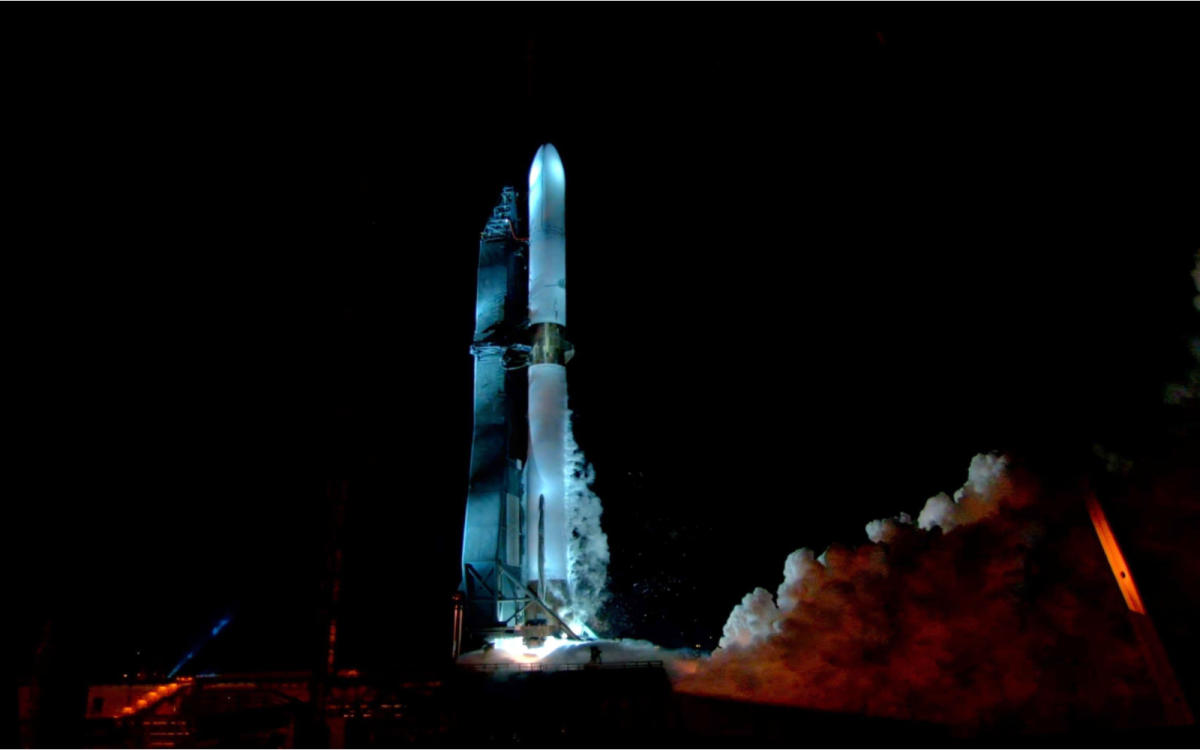
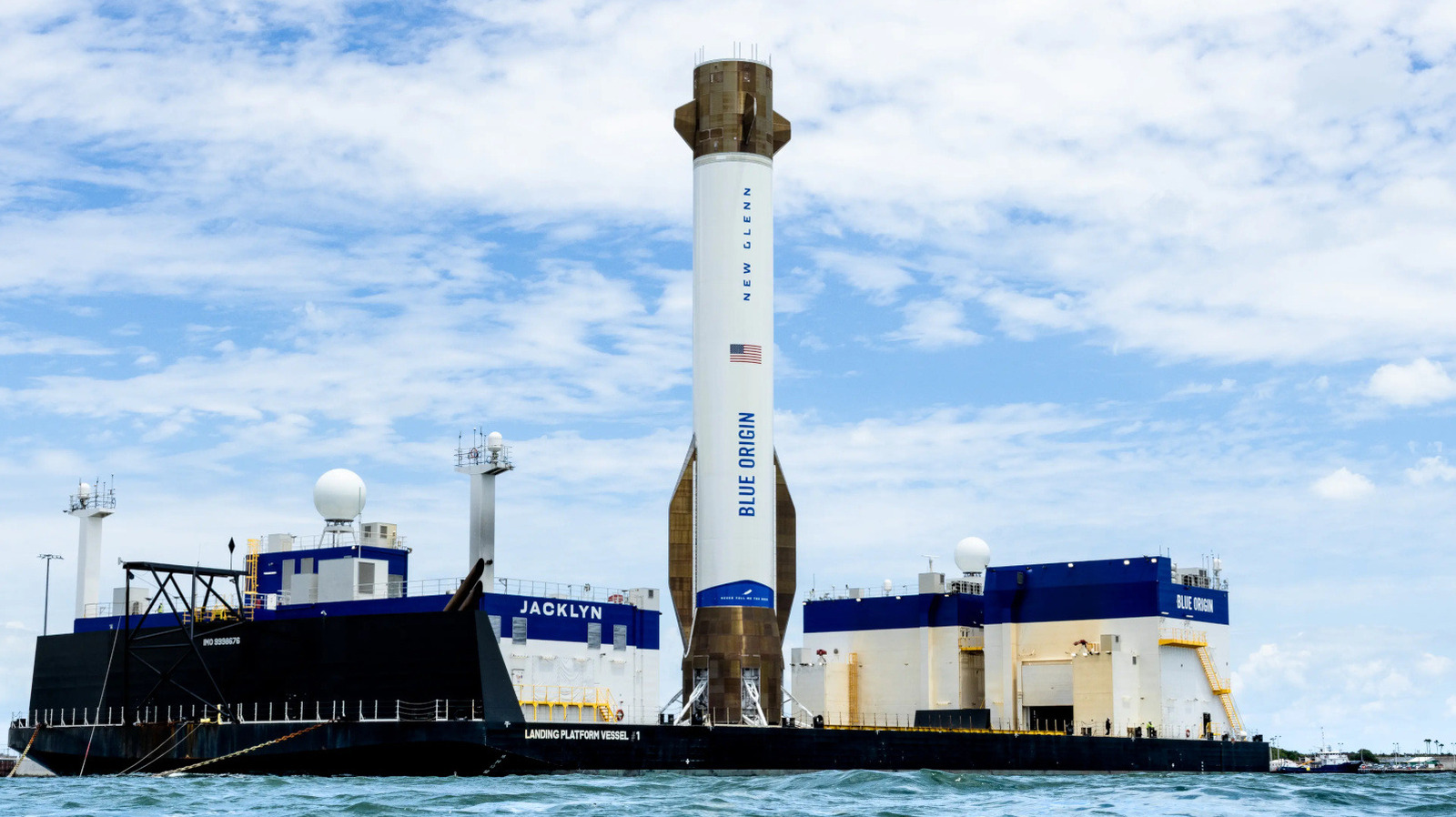
Blue Origin’s New Glenn heavy-lift launch vehicle is officially poised for its inaugural flight, marking a significant advancement in space exploration technology. The company has successfully executed a wet dress rehearsal, which involved a comprehensive simulation of the rocket’s launch countdown. According to a report by The New York Times, Blue Origin conducted several attempts to complete the countdown over a span of hours. Ultimately, the team achieved a successful ignition and operation of New Glenn’s seven powerful engines for an impressive 24 seconds, showcasing the rocket’s readiness for future missions.

During this critical test, New Glenn’s fuel tanks were filled to capacity, and the rocket was equipped with a 45,000-pound payload mass simulator, creating a realistic scenario as if it were truly preparing for space travel. This event marks a milestone for Blue Origin, as it represents the first occasion that the vehicle has been operated as a fully integrated system. Jarrett Jones, Senior Vice President of New Glenn, emphasized the significance of this achievement, labeling the completion of the test as a “monumental milestone.” Additionally, the Federal Aviation Administration has granted a launch license, firmly establishing that New Glenn is now ready for flight.
Blue Origin characterizes the New Glenn as a “giant, reusable rocket engineered for larger missions.” This innovative vehicle has been meticulously designed with the necessary safety measures and redundancy features essential for human spaceflight, although its first mission will be uncrewed. Initially, New Glenn was slated for a launch in October, intended to carry two NASA satellites destined for Mars. However, due to readiness delays, this launch was postponed. Instead, the rocket will now conduct its maiden flight with the Blue Ring Pathfinder, part of the Blue Ring platform that aims to provide advanced spacecraft services to clients, including the Pentagon. Although a new launch date has not been officially announced, expectations suggest that the first flight could take place in early 2025, potentially as soon as January 6.



 Daniel Mercer
 Brandon Fletcher