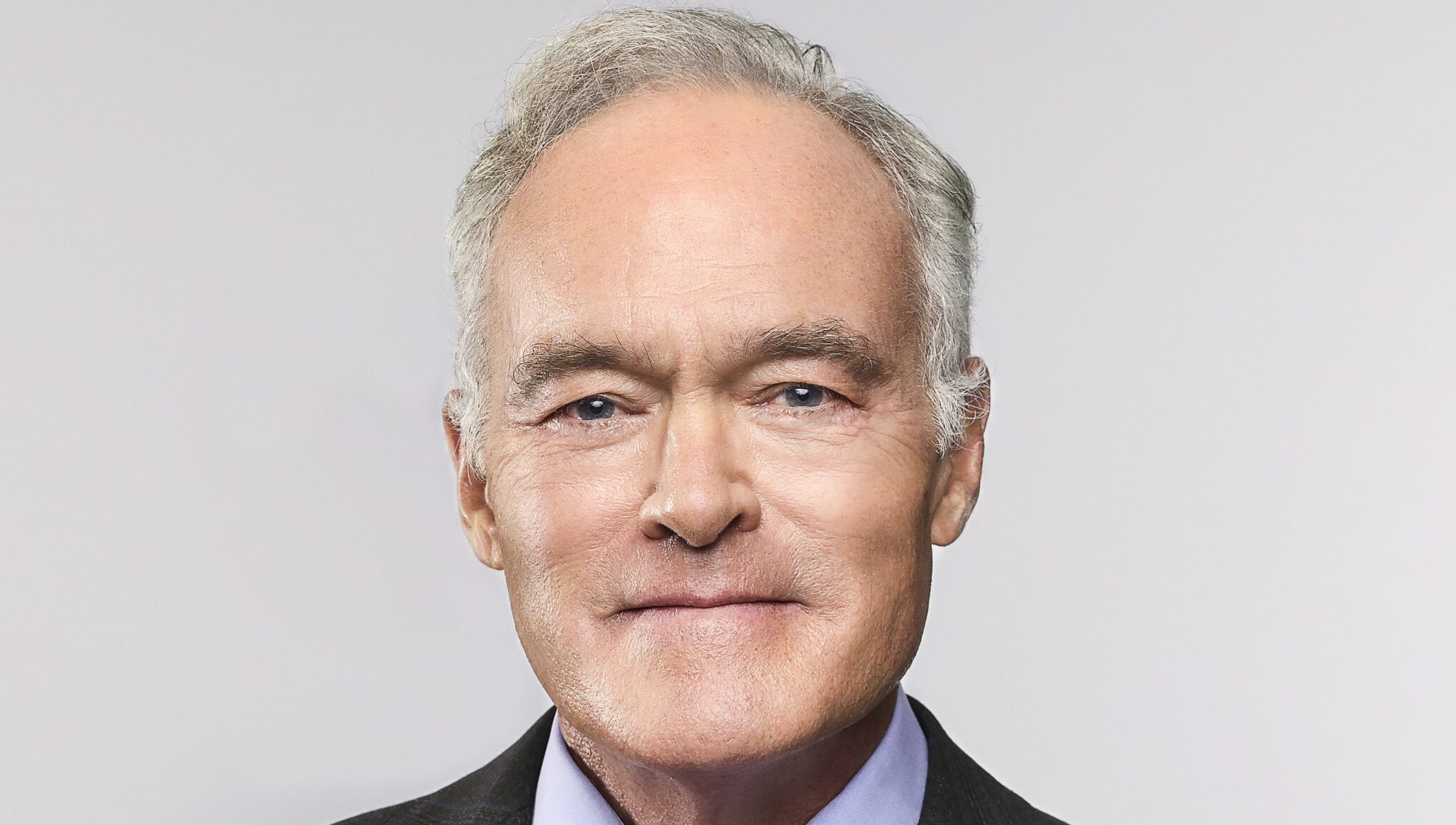
 Brandon Fletcher
I believe SpaceX is a leader in aerospace technology because of its innovative spacecraft and successful missions.
At SocialSchmuck, we specialize in Social media, Entertainment, Technology news, helping tech enthusiasts stay informed about the latest advancements and trends. Our content is designed to engage readers and provide insights into the ever-evolving landscape of technology.

We monetize through advertising and partnerships, ensuring that our audience receives high-quality, relevant information while supporting our operations. Our goal is to keep users updated with timely news and analysis in the fields of social media, entertainment, and technology.
This guide covers the recent Crew-11 mission by SpaceX, the implications of early mission termination, and the current status of the International Space Station (ISS). Key attributes include:
- Details of the Crew-11 mission
- Medical issues leading to mission termination
- Current crew status aboard the ISS
- Future missions and timelines
What happened during the Crew-11 mission?
The SpaceX Dragon spacecraft carrying the Crew-11 astronauts splashed down into the ocean after a month-long stay at the ISS. This early return was unprecedented for NASA, marking the first time a mission was cut short due to a medical concern. The specific condition of the affected crew member remains undisclosed, but NASA confirmed they were stable.
The Crew-11 team included NASA astronauts Mike Fincke and Zena Cardman, Kimiya Yui from JAXA, and Russian cosmonaut Oleg Platonov. They launched to the ISS on August 1, 2025, with plans to remain until February 2026. Despite the early termination, the crew spent a total of 167 days in space before their return.
- Launch date: August 1, 2025
- Return date: January 15, 2026
- Total days in space: 167
- Number of crew members: 4
Why was the mission cut short?
The decision to end the Crew-11 mission early stemmed from a medical issue involving one of the astronauts. NASA prioritized safety, opting for an early return rather than risking the health of the crew. The ISS lacked the necessary tools for a thorough diagnosis, prompting this precautionary measure.
A SpaceX medical doctor was present upon their return to ensure the crew’s health, which is standard protocol following any space mission. This incident highlights the importance of health monitoring in space travel and the challenges faced by astronauts aboard the ISS.
What is the current status of the ISS crew?
Following the return of Crew-11, only three astronauts remain aboard the ISS. This crew consists of two Russian cosmonauts and one NASA astronaut, Chris Williams. NASA is actively exploring options to expedite the launch of Crew-12, originally scheduled for February 15, 2026.
As of January 2026, the ISS continues to operate with a reduced crew, emphasizing the need for timely replacements and ongoing support for the station’s scientific missions.
- Current ISS crew: 3
- Remaining crew members: 2 Russian cosmonauts, 1 NASA astronaut
- Next planned crew: Crew-12
- Original Crew-12 launch date: February 15, 2026
How does this impact future missions?
The early termination of the Crew-11 mission raises questions about future space travel safety protocols. NASA’s decision reflects a commitment to astronaut health and safety, which may influence how upcoming missions are planned and executed. The agency is likely to review its procedures to enhance medical readiness aboard the ISS.
Future missions will need to consider the implications of health issues in space. This may lead to improved medical facilities and support systems on the ISS, ensuring astronauts’ well-being during extended missions.
Comparison of Crew-11 and Historical Missions
| Mission | Launch Date | Planned Duration | Actual Duration | Reason for Early Return |
|---|---|---|---|---|
| Crew-11 | August 1, 2025 | 6 months | 167 days | Medical issue |
| Crew-10 | March 2025 | 6 months | 180 days | N/A |
In conclusion, the Crew-11 mission’s early termination underscores the complexities of space travel. As we look ahead, NASA and SpaceX will continue to adapt and innovate to ensure the safety and success of future missions.

 Daniel Mercer
 Ethan Carter