 David Bridges
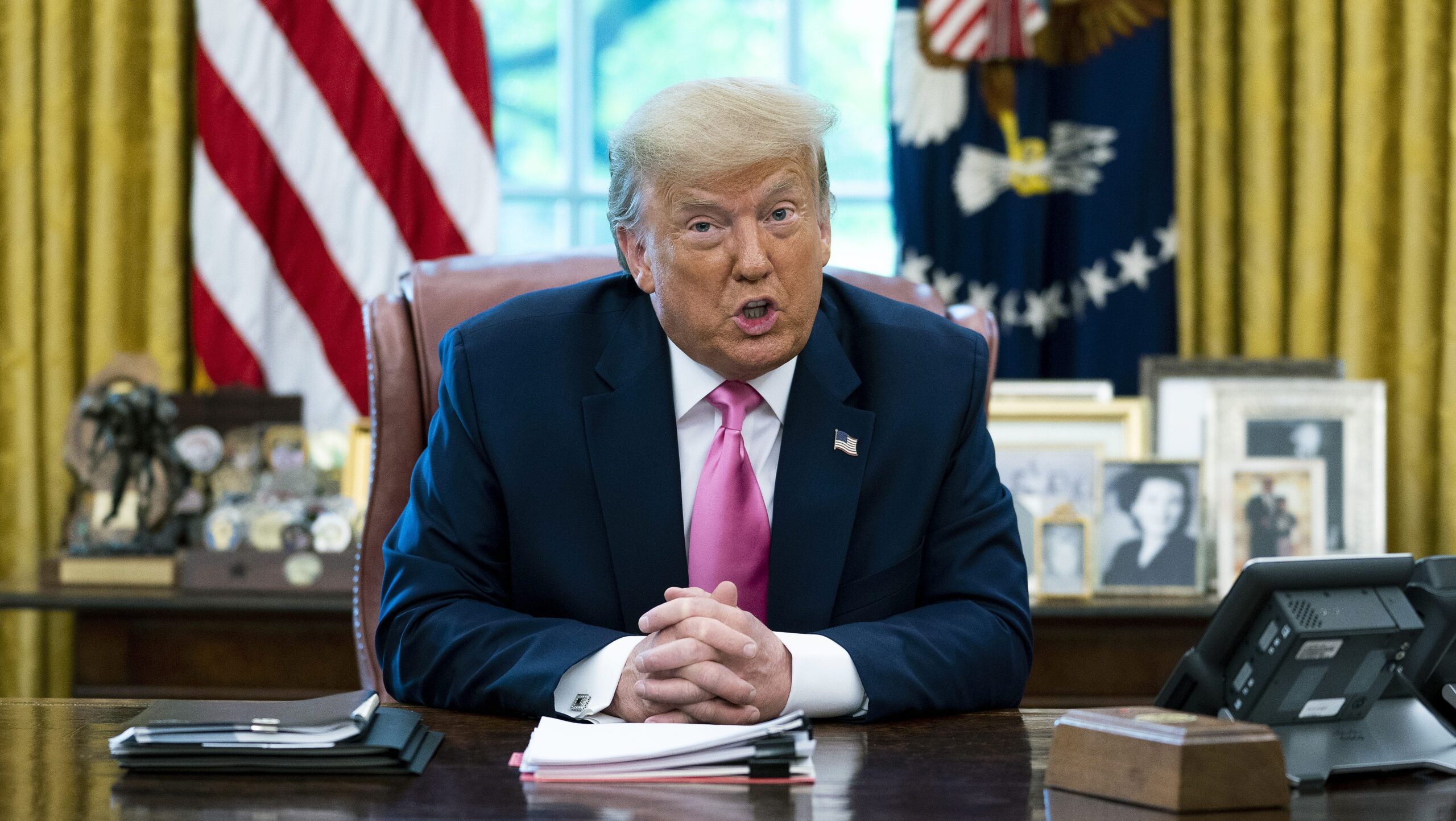

In the aftermath of the United States’ targeted strikes on three significant nuclear facilities located in Iran, a notable escalation occurred when Iran retaliated by launching missiles aimed at an American air base situated in Qatar. This situation raises the question: does this signify that Iran is actively engaging in hostilities against the U.S.? Below, we will explore in detail how Iran responded to the U.S. attacks on its nuclear sites and the broader implications of these actions.
Understanding the Current U.S.-Iran Conflict: Are We on the Brink of War?
The United States finds itself deeply entangled in a complex conflict involving Israel and Iran. Given Israel’s longstanding status as a crucial ally of the U.S., the administration under former President Trump deemed it necessary to intervene amidst the escalating tensions and violent exchanges occurring between Israel and Iran. This involvement raises significant concerns about the potential for broader military conflict and the implications for international relations in the region.
Evaluating Iran’s Military Response: Are They Bombing the U.S.?
In a direct response to the U.S. military actions, Iran launched missiles targeting a U.S. air base located in Qatar. This act of aggression was acknowledged by Trump in a post on Truth Social dated June 23. The implications of this response highlight the ongoing tensions and the precarious nature of U.S.-Iran relations, as both nations navigate the fallout from their military engagements.
In his statement, Trump noted, “Iran has officially responded to our obliteration of their nuclear facilities with a very weak response, which we expected, and have very effectively countered.” He further elaborated that 14 missiles were launched, with 13 intercepted and one deemed harmless as it was headed in a non-threatening direction. Trump expressed relief that no American lives were lost and minimal damage occurred, emphasizing the importance of communication that allowed for no casualties. He optimistically suggested that this could pave the way for Iran to seek peace and harmony in the region, urging Israel to follow suit.
Unpacking the Reasons Behind the U.S. Military Strike on Iran
On June 21, Trump addressed the nation in a formal televised statement shortly after reports emerged regarding the U.S. military’s targeted strikes on three critical nuclear sites in Iran. He articulated that the U.S. took military action against Iran’s nuclear facilities to “stop the nuclear threat posed by the world’s number one state sponsor of terror.” This declaration underscores the U.S. government’s position on nuclear proliferation and its commitment to ensuring regional security.
Trump revealed, “A short time ago, the U.S. military carried out massive, precision strikes on three key nuclear facilities in the Iranian regime: Fordo, Natanz, and Esfahan.” These sites have been notorious for advancing Iran’s nuclear capabilities over the years. He stated that the primary objective was to dismantle Iran’s nuclear enrichment capacity and eliminate the nuclear threat posed by Iran. He claimed the strikes were a resounding military success, resulting in the complete destruction of Iran’s key nuclear facilities. Trump characterized Iran as “the bully of the Middle East” and warned that future attacks would be even more severe if peace isn’t pursued.



 Troy Sanders

 Tessa Everly