 Daniel Mercer

The competition between iPhone and Android chips is evolving from a minor skirmish into a fierce showdown among industry giants. The iPhone 18 Pro’s A20 Pro chip has showcased impressive longevity and performance. In contrast, Qualcomm’s Snapdragon 8 Elite Extreme Gen 6 is setting a new standard for high-performance gaming in the upcoming generation of Android flagship phones.
The Snapdragon 8 Elite Extreme Gen 6 is undeniably powerful, designed for users who demand the largest and most capable smartphones available. This means that these devices will come with a hefty price tag and won’t be easy to fit into slim pockets.
To break it down, the Snapdragon 8 Elite Extreme Gen 6 enhances the original Snapdragon 8 Elite Gen 6 with greater power. While both chips utilize an efficient 2nm manufacturing process, the “Extreme” variant achieves a peak clock speed of 5GHz for its fastest “Prime” cores. It also features advanced AI capabilities and additional GPU enhancements for improved AI-driven upscaling, part of the innovative “Neural Fusion” technology that could elevate gaming experiences with higher frame rates.
At this year’s Snapdragon Summit, Qualcomm allowed tech journalists to conduct benchmark tests on a set of reference devices powered by the Snapdragon 8 Elite Extreme Gen 6. (Note: travel and accommodations were covered by Qualcomm, and Gizmodo did not guarantee coverage in exchange for attending.) These prototypes are not available for purchase and are equipped with 24GB of RAM—double that of a standard Samsung Galaxy S26 Ultra running last year’s Snapdragon chip. They also feature a 4,400mAh battery, which is smaller than the capacity found in Samsung’s previous flagship models.
Considering this, Qualcomm’s benchmark devices demonstrated an 8% improvement in multi-core performance in Geekbench 7, a test that evaluates a phone’s overall CPU capabilities. Apple maintains an approximate 10% advantage in single-core performance, giving its devices a slight edge in tasks such as web page loading.

The performance gap may seem minimal, yet significant differences emerge in real-time graphics capabilities, particularly in gaming. In 3DMark’s “Steel Nomad Light” tests, the Qualcomm reference phone outperformed competitors by 20%. Similarly, in the “Wild Life Extreme” benchmark, it achieved 22% superior performance. For ray tracing—an advanced lighting technique used in demanding games—the Qualcomm device excelled with a 17% advantage in the 3DMark “Solar Bay” test.
A notable drawback is the overheating issue observed during testing. Running multiple performance tests consecutively led to significant heat generation, making it necessary to pause for cooling. After the Antutu benchmark, the device lost almost 9% of its battery in just a few minutes due to excessive heat. This thermal challenge was even more pronounced compared to last year’s Snapdragon 8 Gen 5 chips.
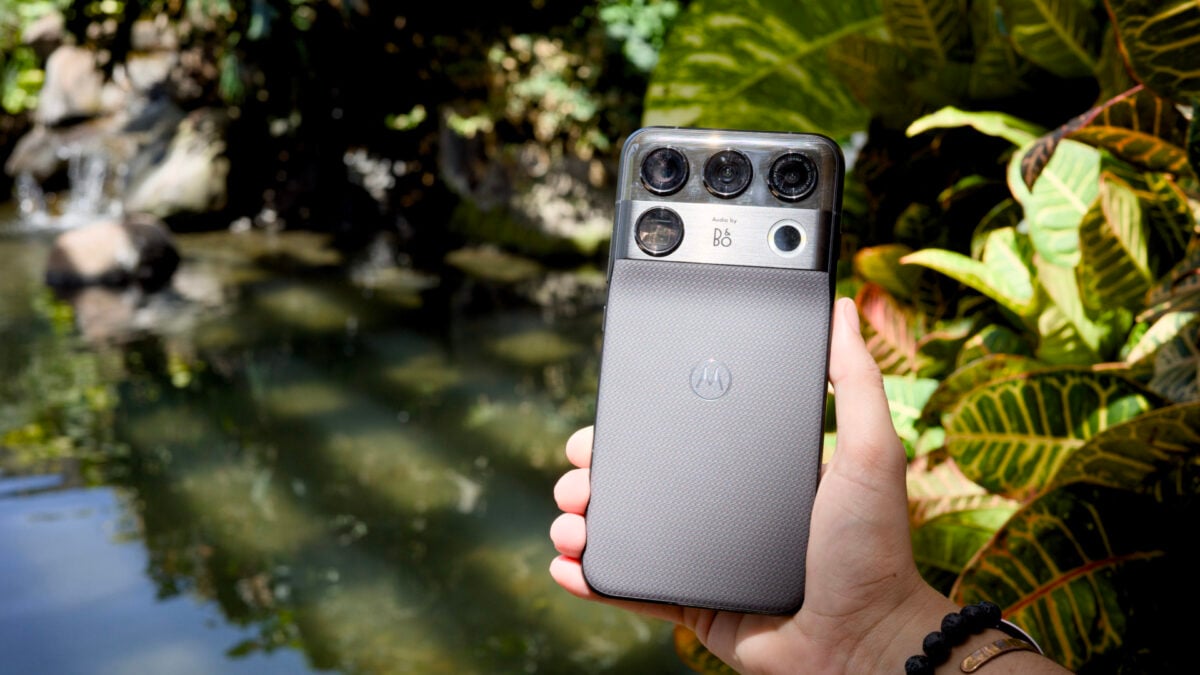
So far, two major manufacturers have unveiled new smartphones featuring Qualcomm’s flagship processor. Motorola has yet to disclose specific details about its Signature 27 model, but initial impressions suggest it shares design elements with the Galaxy S26 Ultra. Similarly, the Xiaomi 18 Pro Max is expected to be another large device, with a formal reveal set for September 23. Motorola has not provided any indication of pricing for its new flagship.
Chris Patrick, Qualcomm’s VP of handsets, informed Gizmodo during a roundtable discussion with tech reporters that the Snapdragon 8 Elite Extreme Gen 6 chip is not exclusively designed for large phones. Nevertheless, it is more suited to larger devices. Gamers seeking top-tier GPU performance and the advantages of Adreno Neural Fusion for dedicated AI upscaling will likely prefer larger displays.

There is a practical reason for the increased size of these devices. The 2nm Snapdragon 8 Elite Extreme design shifts the dedicated CPU memory cache from on top of the CPU to the side, resulting in a larger chip footprint compared to previous models. This design allows Qualcomm to incorporate advanced cooling solutions, such as a vapor chamber directly on the chip, which should lead to reduced temperatures in smartphones. Unfortunately, this promise of improved cooling was not realized in the benchmark devices tested.
Ultimately, the AI upscaling capabilities will be crucial for enhancing the gaming experience. Amandeep Dhaliwal, Qualcomm’s lead for GPU strategy, explained that Neural Fusion will work in conjunction with new chip efficiencies to enable sustained gaming at 60 fps instead of being limited to 30 fps. This innovation aims to elevate the quality of gaming experiences, even if it means relying more on AI capabilities than on raw GPU power. Regardless, the upcoming Snapdragon-powered smartphones are poised to be intriguing, though they will likely be among the most expensive options on the market.



 David Bridges