David Bridges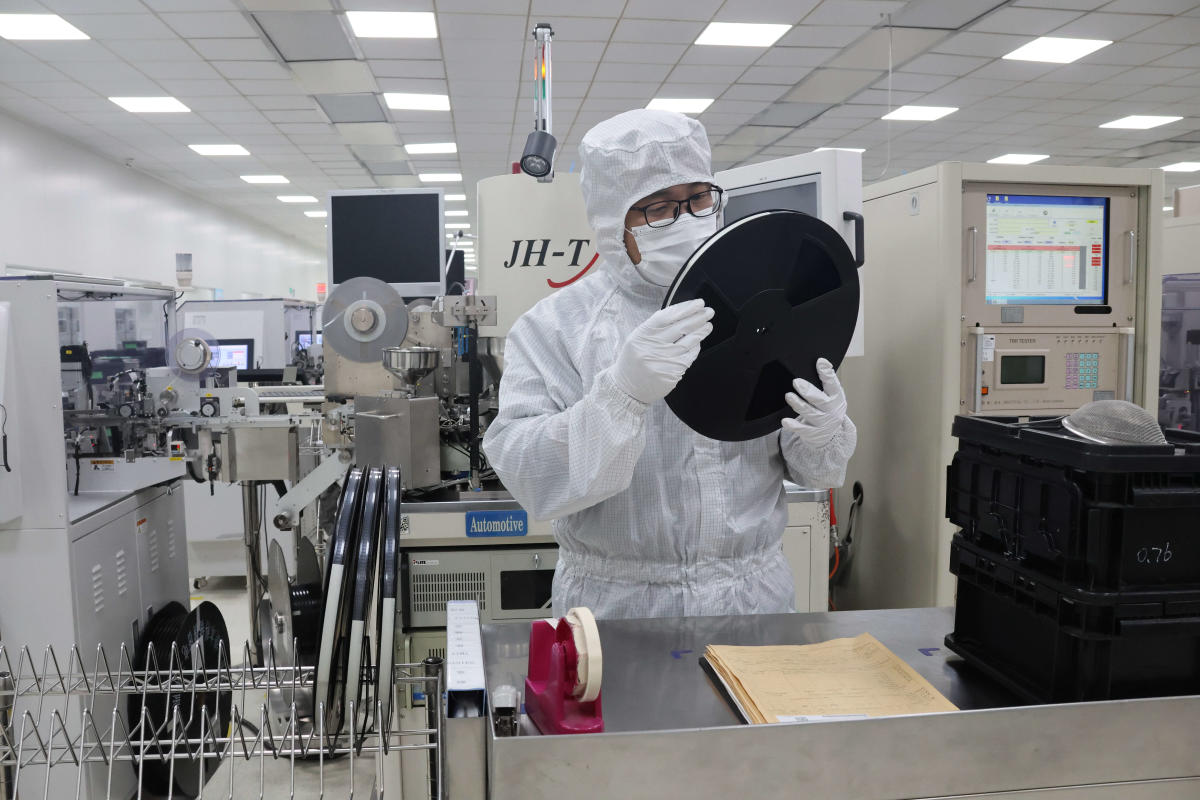
The Office of the US Trade Representative (USTR) has initiated a comprehensive investigation into China’s semiconductor industry, specifically focusing on identifying and addressing anti-competitive trade practices. This investigation aims to uncover acts, policies, and practices that may have diminished or completely eradicated competition within the semiconductor marketplace. The USTR’s scrutiny highlights the United States’ commitment to ensuring fair trade practices and maintaining a competitive edge in a sector crucial for technological advancement and national security.

The investigation is being conducted under Section 301 of the US Trade Act of 1974, which empowers the USTR to examine trade practices related to foundational semiconductors. These components are integral to various industries, including automotive, healthcare, infrastructure, aerospace, and defense. On Monday, the White House accused China of routinely engaging in non-market policies and industrial targeting within the semiconductor sector, asserting that such actions have caused significant harm to U.S. competition and fostered dangerous supply chain dependencies.
Should the investigation yield actionable findings, Section 301 grants the USTR the authority to implement various measures, including imposing duty or other import restrictions, withdrawing or suspending trade agreement concessions, or negotiating an agreement with China to either rectify the identified conduct or provide the U.S. with satisfactory trade benefits. The ultimate decisions regarding these actions will rest with the administration of President Trump and the newly appointed USTR, Jamieson Greer.
A spokesperson from China’s Ministry of Commerce expressed strong opposition to the U.S. investigation, stating that China “strongly deplores and firmly opposes” such actions. The spokesperson emphasized that the nation is prepared to take all necessary measures to vigorously defend its rights and interests within the realm of international trade.
The ongoing tensions between the U.S. and China continue to escalate. Recently, President Biden has taken action against various countries, including China, due to potential vulnerabilities and threats posed by connected vehicles. Additionally, in May, the White House announced restrictions on approximately $18 billion worth of Chinese imports, including semiconductors, further complicating the trade relationship between these two economic powerhouses.


 Daniel Mercer
 Brandon Fletcher