David Bridges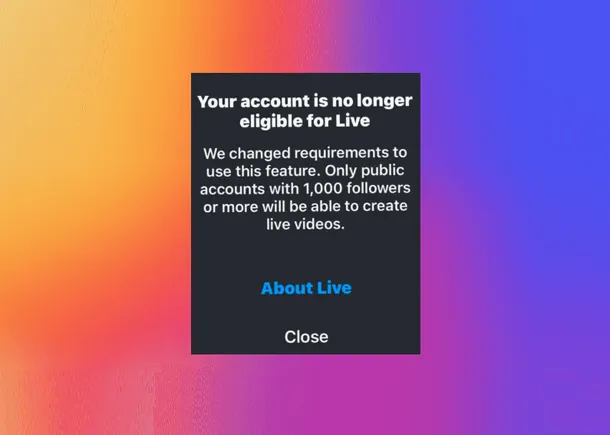

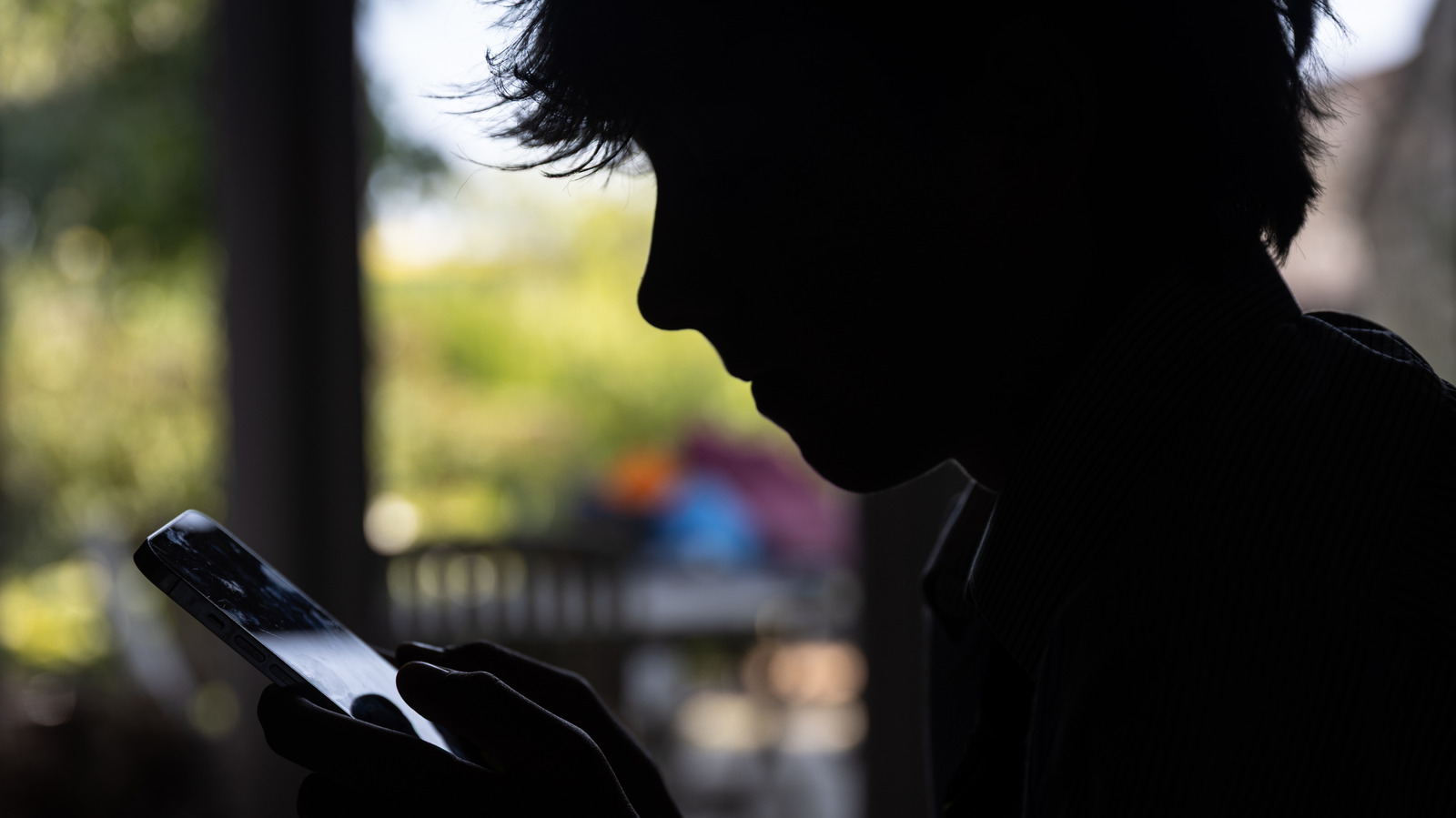
Undoubtedly, this recent development is likely to be met with disappointment by smaller Instagram creators who rely on the platform for engagement.
In recent weeks, you may have encountered a notification appearing in your Instagram feed (as reported by Social Varsity):
Indeed, Instagram has implemented a new policy that raises the follower requirements for live-streaming, meaning that users who have not achieved a specific level of growth in their accounts will find themselves unable to broadcast within the app.
This change poses a substantial challenge for many small creators who utilize IG Live for a variety of purposes, allowing them to connect with niche audiences through live broadcasts. Now, users will have to transition to video calls instead. For those with only 1,000 followers, this may still be a viable option, but it will diminish the potential for discoverability that comes with live-streaming on Instagram.
What prompted this significant change?
I reached out to Meta for clarification regarding this update, but unfortunately, I received no response.
With no official explanation from Meta, I can only speculate on the potential motivations behind this decision.
One possible reason is that live-streaming can be costly to maintain, and Meta might have concluded that funding streams with minimal viewership is not economically viable. Additionally, there are concerns that live-streams could be misused for inappropriate content; by raising the follower threshold to 1,000, Meta may be aiming to deter users who might exploit its features for such purposes.
Another rationale could be that this change aims to enhance the quality of live-streams. By ensuring that only users with a certain level of audience can broadcast, it reduces the likelihood of unqualified or disruptive users joining the platform. The expectation is that having a minimum of 1,000 followers might filter out those who would otherwise undermine the credibility of live-streaming as a medium.
This update aligns Instagram more closely with the live-streaming requirements of other social media platforms. For example, on TikTok, users also need at least 1,000 followers to access live-streaming features, while YouTube requires a minimum of 50 subscribers, which is roughly equivalent when considering the viewer-to-subscriber ratio.
Moreover, YouTube has recently raised the minimum age requirement for live-streaming to 16 years, mirroring the policy that Instagram put into effect back in April.
These changes reflect a broader trend in the social media landscape concerning live-streaming, driven by various factors, and this latest update from Instagram is just one more piece of that puzzle.
While this may be disheartening news for smaller creators, it could also serve as a motivation to invest more time and effort into growing their audience before they begin broadcasting.


 Maya Kensington
 Clara Hastings