 David Bridges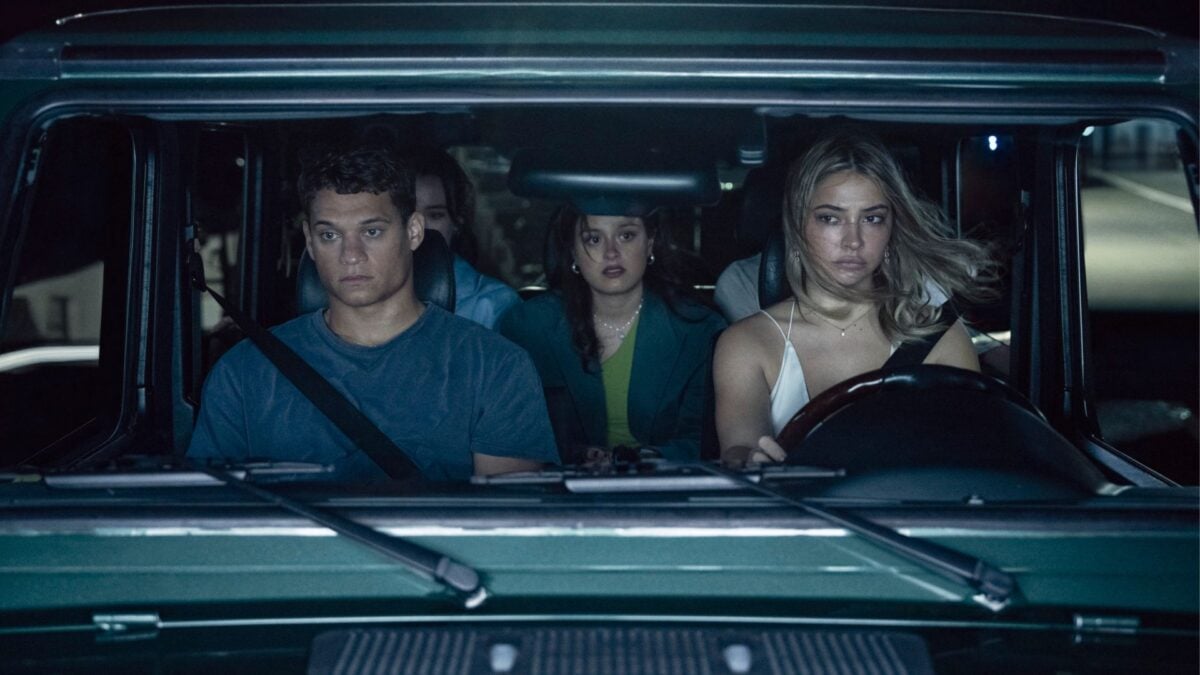

When creating a new adaptation of I Know What You Did Last Summer, it is essential to ensure that the events leading to the horror are significant enough to justify the ensuing chaos. The original 1997 film captured this effectively. A group of intoxicated friends, out for a night drive, accidentally hit someone on a deserted road. Faced with the gravity of their actions, they make the drastic decision to dispose of the body in the ocean. This moral transgression sets the stage for the haunting revenge that follows. If someone had been left for dead after such a reckless act, it’s reasonable to anticipate a vengeful response.
In contrast, the sequel, which hits theaters this weekend, fails to replicate this critical element. While it attempts to mirror the original film’s premise, a careful analysis reveals that the blurred lines between right and wrong significantly weaken the narrative. The audience never truly believes that the characters’ actions warrant the extreme retaliation they face, resulting in a lackluster viewing experience. So what unfolds in this sequel? Here’s a breakdown with spoilers limited to the film’s opening 15 minutes.
A group of friends departs from a lively party to gather at a clandestine location to enjoy a fireworks display. While most of the group indulges in alcohol and marijuana, Danica (played by Madelyn Cline) chooses sobriety, emphasizing her responsibility as the designated driver. Safety is her priority, a commendable stance considering the circumstances!
During their journey, her friends, particularly her fiancé Teddy (portrayed by Tyriq Withers), are visibly impaired. Teddy attempts to lighten the mood by jokingly distracting Danica—a dangerous move given that distracted driving was the catalyst for the chaos in the original film. Thankfully, they navigate to the fireworks viewing area without incident. Upon arrival, Teddy, in high spirits, begins to dance in the street, showcasing his carefree attitude. However, as he stands in the middle of the road, a vehicle approaches at alarming speed, prompting Teddy to engage in a reckless game of chicken. This reckless behavior necessitates a quick intervention from Milo (played by Jonah Hauer-King), who rushes in to save him, highlighting the dangerous situation and the tension building within the group.
Shortly thereafter, the situation escalates dramatically. Despite warnings, Teddy remains in the street, and a speeding car approaches, driven by someone who is oblivious to the impending disaster. The driver swerves to avoid Teddy but instead collides with a guardrail, narrowly escaping a catastrophic fall from a cliff. As the car dangles precariously, the friends rush to aid the driver, but the doors are jammed, and their attempts to save him are futile. The group, though well-intentioned, is unable to prevent the tragedy as the vehicle ultimately plummets over the edge. In a bizarre twist, the driver regains consciousness long enough to shatter the window and rip Teddy’s shirt off, an act that, while shocking, seems to lack relevance later in the story.

Was Teddy in the road? Undoubtedly, he should not have been. However, it’s equally questionable whether the driver should have been traveling at such a reckless speed that he couldn’t see Teddy, especially given the ample road available. The film misses the mark in several aspects here. First, it establishes that a sober person is in control of the vehicle, leading them safely to their destination. Secondly, while Teddy bears some responsibility for the incident, the group makes a sincere effort to save the unaware driver. Following the accident, Teddy contacts the authorities to report what happened, yet they all abruptly leave the scene, as if they were never involved.
This decision doesn’t sit well with everyone in the group. They feel a moral obligation to remain and face the consequences of their actions. It’s proposed that, as a compromise, they visit the police station on their way home, but this plan never materializes, further aggravating tensions among them. The ride home becomes increasingly uncomfortable, but ultimately, they reach a consensus to bury the incident in silence, vowing never to speak of it again.
To clarify, Teddy does indeed report the accident to the police. This occurs after he and his friends attempted to rescue the driver. Although their response is far from perfect, the film portrays them in a more sympathetic light compared to the original group of characters. Additionally, the vehicle does not explode or dramatically ignite upon falling over the cliff; it simply lands below. Eventually, we discover that the driver did not survive. Regardless of their shortcomings, the characters perform enough right actions that it creates a sense of partial innocence. Hence, by the following year, when Danica receives that infamous note (which she uniquely receives, by the way), it feels more like “I Know You Caused a Guy to Swerve Off a Cliff by Accident Last Summer” rather than the original’s ominous phrasing.
As the film progresses, we uncover key details regarding the identity of the victim and their connection to the killer, which I won’t spoil here. While this revelation adds a slight level of credibility to the killer’s motivations, it still leaves the audience questioning the rationale behind the murderer’s relentless pursuit for vengeance after an extensive 90-minute runtime. Ultimately, this encapsulates the essence of the new I Know What You Did Last Summer: a sequel attempting to revive a film that was already flawed while failing to grasp the fundamental elements that made the original resonate with audiences.
Want to stay updated with more io9 news? Discover when to anticipate the latest in Marvel, Star Wars, and Star Trek releases, what’s next for the DC Universe in film and television, and everything you need to know about the future of Doctor Who.



 Daniel Mercer
 Ethan Carter