David Bridges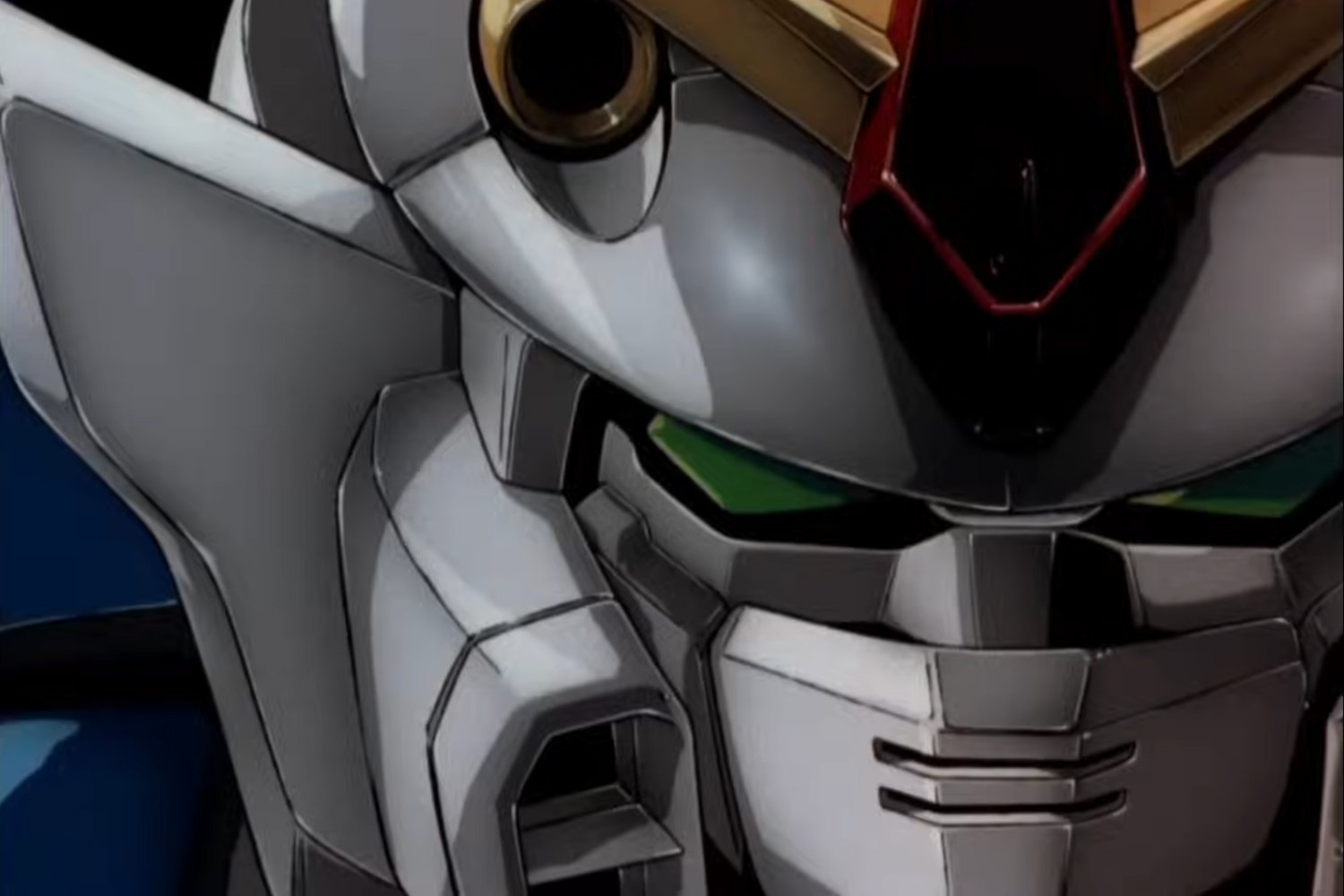

Three decades ago in Japan, the character Heero Yuy made an unforgettable mark on the anime landscape by tearing up Relena Peacecraft’s birthday invitation and making a chilling threat against her life. This moment didn’t just create a buzz in meme culture; it also set a pivotal stage for the Gundam franchise. Almost five years later, Gundam Wing would emerge as the franchise’s first significant success outside Japan, effectively introducing its grandiose robots and even grander concepts to a global audience eager for innovative storytelling.
On April 7, 1995, Gundam Wing debuted in Japan to coincide with the Gundam franchise’s 16th anniversary. This series represented a significant departure from the established continuity of the Universal Century by exploring alternate timelines. Its predecessor, Mobile Fighter G Gundam, had shifted the focus from intricate astropolitical narratives to more shonen and super robot elements. Gundam Wing reestablished a trend that many subsequent alternate universe series have emulated: introducing new characters and settings while intertwining themes and narratives that resonate with the foundational ideas of the Universal Century saga.
Set in the year After Colony 195, Gundam Wing presents a familiar scenario within the Gundam universe: humanity has expanded into the cosmos, establishing numerous space colonies within the solar system. However, rising tensions arise as these colonies desire independence from Earth’s control, igniting conflicts. Unlike the Universal Century, where Earth often dominated the narrative, here the colonies take center stage as protagonists. A coalition of scientists works to develop five powerful mobile suits known as Gundams, dispatching them to Earth with young, highly trained pilots who initially have no knowledge of each other but share a shared dedication to liberating their colonies from Earth’s oppressive militarism.
While G Gundam pushed the franchise into thrilling new territory, Gundam Wing delves into the fundamental elements that have defined Gundam since its inception: youth, the harsh realities of war, and the complexities of peace. This series notably avoids more fantastical elements, such as the psionic abilities associated with Newtype characters, instead opting for a more grounded narrative. Yet, it doesn’t shy away from the iconic giant robots battling each other, finding its fantastical elements rooted in the intense melodrama of the characters’ interpersonal relationships. The five members of the Gundam Team—Heero, Quatre, Trowa, Wu Fei, and Duo—experience tumultuous and complex relationships that fuel dramatic tension, undoubtedly appealing to a growing fanbase interested in character dynamics, including those who enjoy shipping these characters, evidenced by the copious promotional materials featuring them in slice-of-life scenarios and band-like formations.
However, in Japan, Gundam Wing was only a moderate success, despite its compelling narrative and character dynamics. Its true significance would not be recognized until five years later, when it became the first Gundam series to be broadcast on Toonami in the United States. This pivotal moment introduced Western audiences not only to the unique vision of Gundam but also served as a gateway for many into the entire franchise. Riding the wave of anime popularity that had surged with hits like Pokémon and Dragon Ball, Gundam Wing’s arrival in 2000 marked a crucial milestone in establishing the medium’s foothold in Western entertainment. Without its successful adaptation, the landscape for Gundam outside Japan would look drastically different, reshaping the relationship that has evolved over the past 25 years, leading to a current landscape where Gundam films premiere internationally, and new series air simultaneously across the globe.
It seems only fitting that the 30th anniversary of Gundam Wing coincides with the dawn of a new era for the Gundam franchise. The latest installment, GQuuuuuuX, which intriguingly balances alternate-universe storytelling with direct connections to the Universal Century, is set to debut this week. This new series promises to be an exciting experience for Gundam enthusiasts worldwide. While access to the broader Gundam universe in recent years may diminish some of the nostalgic appeal of Wing, which increasingly becomes thematically convoluted as its narrative progresses, it remains hard to deny that Gundam Wing served as the perfect introduction for global audiences. It captivated a generation of new anime fans, demonstrating that giant robots weren’t just a spectacle; they could embody profound ideas and themes that resonate deeply with audiences.
Gundam Wing is now available for streaming on Crunchyroll, welcoming all viewers, especially those nostalgic individuals in their thirties who fondly remember its iconic theme, Just Communication.
For more updates from io9, keep an eye out for news related to upcoming releases in the Marvel, Star Wars, and Star Trek franchises, as well as insights into what lies ahead for the DC Universe on both film and television, and everything you need to know about the future of Doctor Who.


 Daniel Mercer