Daniel Mercer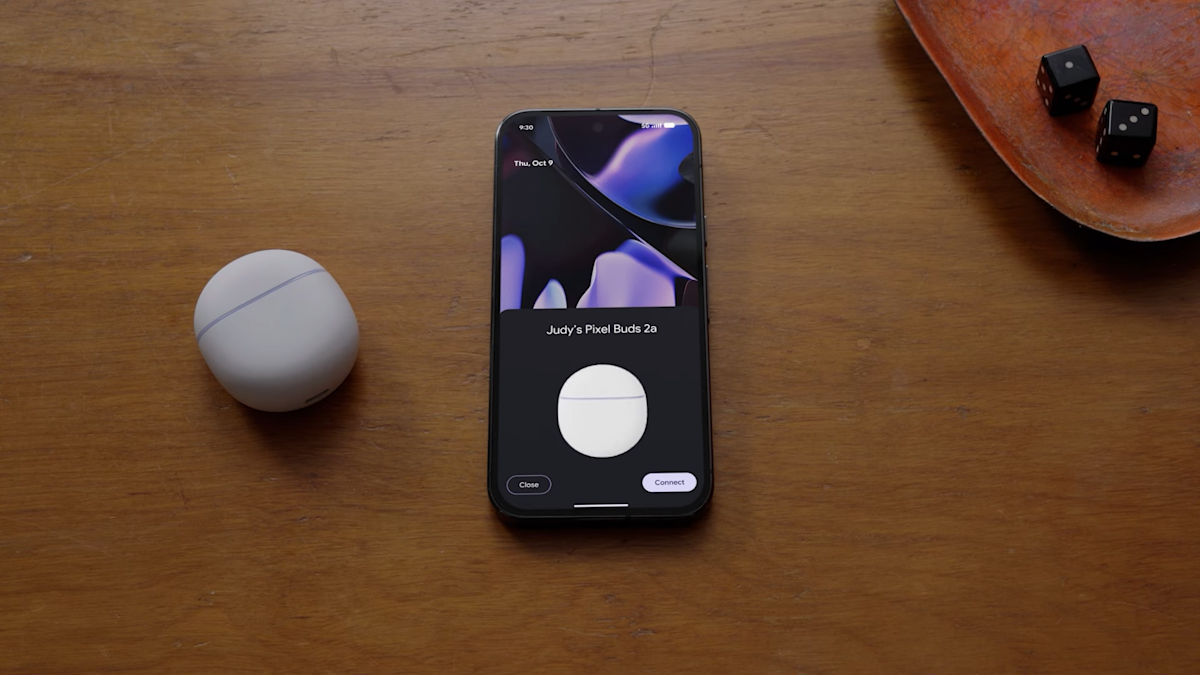
I believe Bluetooth audio devices are essential technology because they enhance our listening experience while providing convenience. Recent reports highlight a significant security flaw in 17 headphone and speaker models, exposing users to potential hacking risks. This vulnerability arises from a faulty implementation of Google’s one-tap (Fast Pair) protocol, which allows unauthorized access to devices, including their microphones.

At SocialSchmuck, we specialize in social media, entertainment, and technology news, helping tech-savvy individuals stay informed about critical updates. Our platform empowers users to make informed decisions regarding their devices and security. We monetize through partnerships and advertisements, ensuring our audience receives the latest insights and news.
This guide covers the following key attributes: the nature of the vulnerability, affected devices, recommended actions for users, and the response from manufacturers. Understanding these aspects is crucial for maintaining security in a connected world.
- Overview of the Bluetooth vulnerability
- List of affected devices
- Steps to secure your devices
- Manufacturer responses and updates
- Importance of regular updates
What is the nature of the Bluetooth vulnerability?
The vulnerability, named WhisperPair, was discovered by security researchers at Belgium’s KU Leuven University. Hackers can exploit this flaw within Bluetooth range, requiring only the device model number and a few seconds to gain access. Researchers warn that this could lead to unauthorized microphone activation, audio injection, and location tracking.
Which devices are affected by this vulnerability?
The 17 affected devices are manufactured by 10 different companies, all certified under Google’s Fast Pair program. These include brands such as Sony, Jabra, JBL, Marshall, Xiaomi, Nothing, OnePlus, Soundcore, Logitech, and Google. Notably, Google has confirmed that its affected Pixel Buds have already been patched.
| Brand | Device Model | Vulnerability Status |
|---|---|---|
| Sony | WH-1000XM4 | Affected |
| Jabra | Elite 75t | Affected |
| JBL | Live 650BTNC | Affected |
| Marshall | Major IV | Affected |
| Xiaomi | Airdots 2 | Affected |
| Nothing | Ear (1) | Affected |
| OnePlus | Buds Z | Affected |
| Soundcore | Liberty Air 2 | Affected |
| Logitech | G733 | Affected |
| Pixel Buds | Patched |
What actions should users take to secure their devices?
Users are advised to regularly update their audio devices to mitigate security risks. Google recommends checking for firmware updates and has collaborated with manufacturers to address the vulnerabilities. However, the complexity of accessing a device’s microphone requires multiple stages, and attackers must remain within Bluetooth range.
How are manufacturers responding to the vulnerability?
Manufacturers have received recommendations from Google to implement fixes. OnePlus has stated they are investigating the issue and will take necessary actions to protect user security. However, researchers express concern that many users may not install the required third-party apps for updates, leaving devices vulnerable.
| Manufacturer | Response | Action Taken |
|---|---|---|
| Collaborated with researchers | Patched Pixel Buds | |
| OnePlus | Investigating | Will take appropriate action |
| Jabra | Monitoring | Awaiting user feedback |
| Sony | Evaluating | Planning firmware updates |
| Logitech | Assessing | Engaging with users |
What is the importance of regular updates for Bluetooth devices?
Regular updates are crucial for maintaining device security. Users must ensure their devices are running the latest firmware to protect against vulnerabilities. The researchers emphasize that many users may neglect to install third-party apps, which are essential for updates.
In conclusion, the security flaw identified in Bluetooth audio devices poses a significant risk. Users must stay informed and take proactive measures to secure their devices. For further details, refer to the full report from Wired, which provides comprehensive insights into the vulnerability.