Daniel Mercer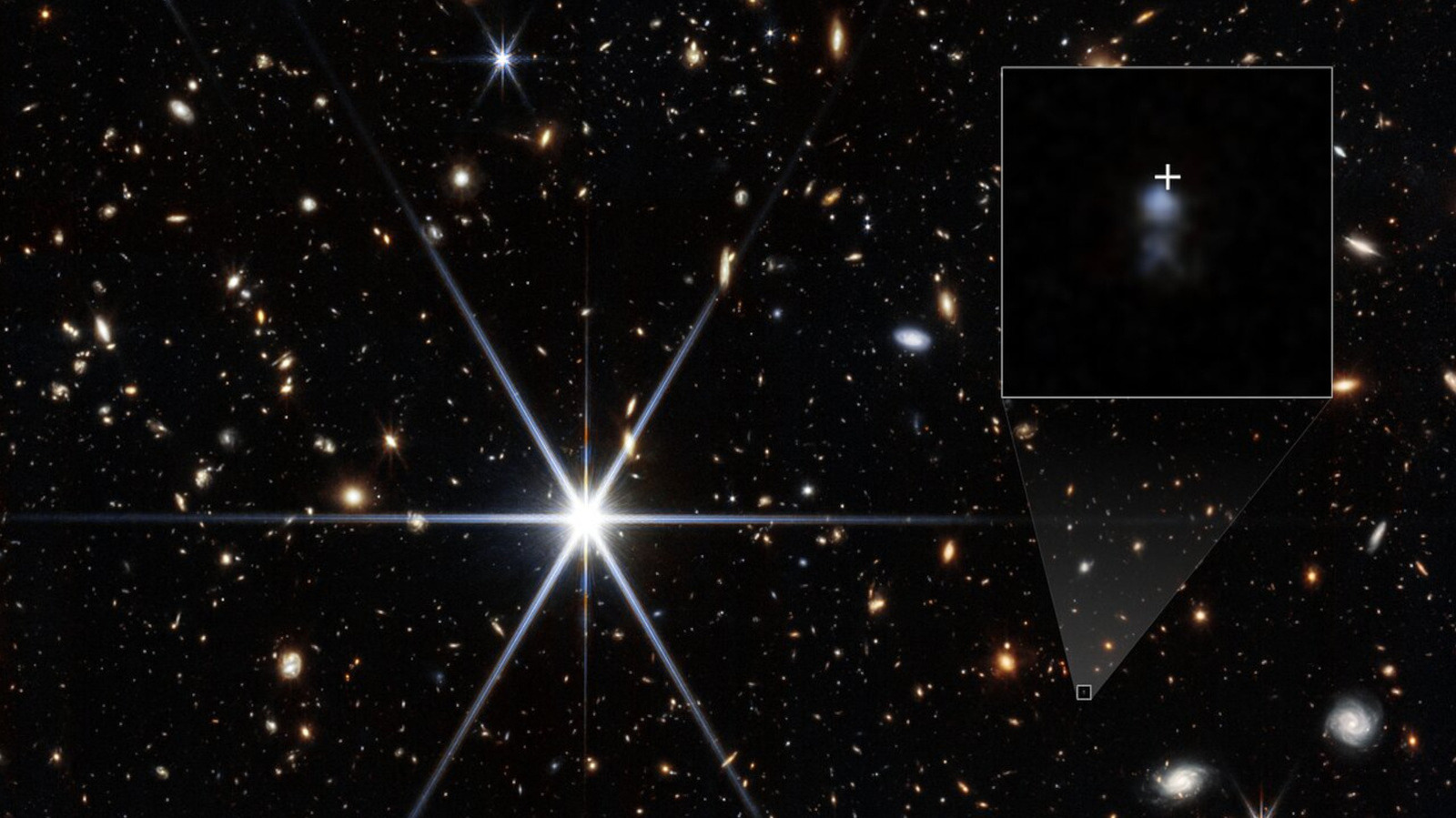

New Insights into the Origins of Fast Radio Bursts Revealed by Recent Data.
In 2024, scientists made a groundbreaking discovery by identifying the farthest fast radio burst observed to date, thanks to the capabilities of the MeerKAT ground telescope array. Fast radio bursts are intense radio signals from the depths of space, lasting only a fraction of a second yet releasing energy equivalent to what the sun emits over three days. First discovered in 2007, these phenomena remain largely enigmatic. Recently, astronomers utilized the James Webb Space Telescope to trace the origin of the burst detected in 2024, potentially unlocking secrets about these cosmic events.
The near-infrared instruments aboard the Webb telescope pinpointed a galaxy located precisely where the burst originated. Analysis of the light’s stretch indicated that the fast radio burst occurred just 3 billion years after the Big Bang, during a period when star formation peaked in the universe. Interestingly, the galaxy responsible for this burst is approximately 1,000 times smaller than previously expected. Prior fast radio bursts were detected in galaxies that formed billions of years later and were significantly larger and more active in star formation.
Two primary theories attempt to explain the origins of fast radio bursts. The first theory suggests that these bursts arise from the merger of two neutron stars. this process takes billions of years, as neutron stars are the remnants of massive supergiant stars. such bursts would typically originate from older galaxies.
The second theory posits that fast radio bursts may result from the explosive death of massive stars during supernova events, leading to the creation of magnetars—neutron stars with extraordinarily strong magnetic fields. “Our research indicates that it’s highly improbable this [fast radio burst] was generated by a merger,” stated Manisha Caleb from the University of Sydney, Australia, who led the study published in Science. This finding suggests that the burst’s origin likely stems from a supernova, lending credence to the theory that fast radio bursts can result from specific types of stellar explosions.



 Brandon Fletcher