David Bridges
Michael Rapaport Sparks Controversy
Outrage Over Concentration Camp Image
Museum Labels Post as Disrespectful and Inauthentic
Published July 9, 2025 5:24 PM PDT
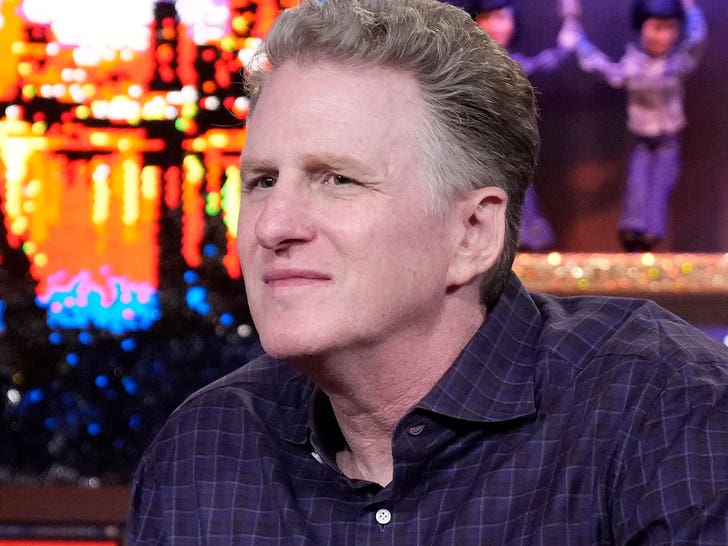
Michael Rapaport is currently facing significant backlash due to a controversial image he posted on social media. The image depicted a prisoner in a concentration camp during the Holocaust, and it has drawn sharp criticism from the Auschwitz Memorial and Museum. The museum emphatically stated that the image was both fake and profoundly disrespectful to the memory of those who suffered and perished during this dark chapter of history.
The situation escalated when the actor and comedian shared the image on his Facebook account this past Saturday, which depicted an individual playing a violin at Auschwitz. This post raised eyebrows and ignited a firestorm of criticism, as many perceived it as an inappropriate and insensitive representation of a historical tragedy.
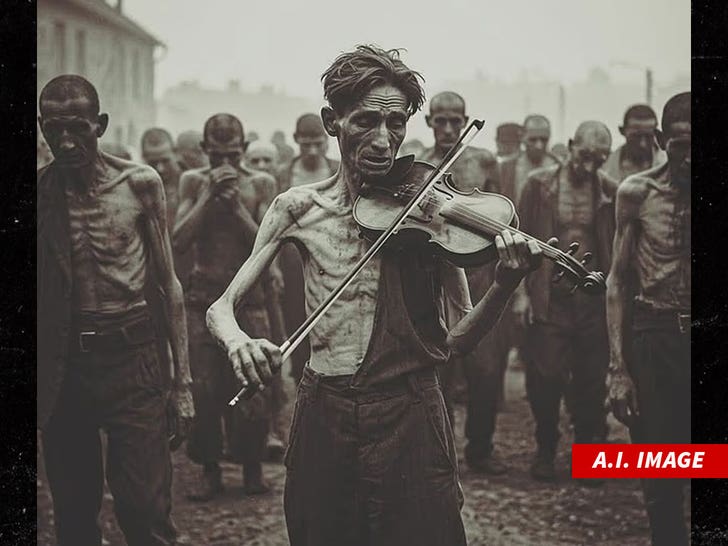
However, the major issue surrounding this post is that the image itself was reportedly generated using artificial intelligence (AI). The Auschwitz Memorial and Museum in Poland confirmed this claim, emphasizing the dangers of circulating such misleading and fabricated content that distorts historical truths.
The museum did not hold back in their criticism of Michael Rapaport, asserting that “Publishing fake, AI-generated images of Auschwitz is not only a dangerous distortion of history. Such fabrications disrespects the victims and undermines their memory. We urge the public to refrain from sharing such misleading posts.” Their strong words underscore the importance of authenticity and respect when discussing historical events.
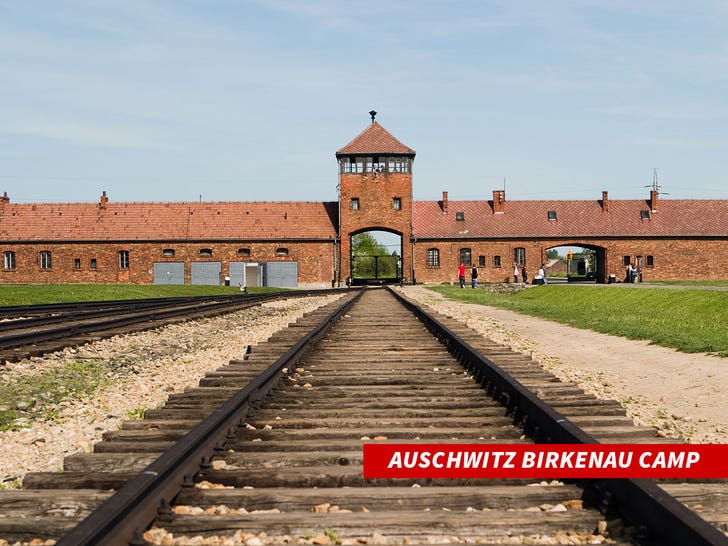
In addition to the outrage over the image itself, Michael’s post included a backstory regarding the photograph. However, the museum refuted this narrative, labeling it as false and misleading, further compounding the controversy surrounding his post. This situation highlights the critical need for individuals, especially those with large followings, to verify the authenticity of their content before sharing it.
We made attempts to reach out to Michael for his comments regarding the backlash and the museum’s statement, but as of now, we have not received any response from him. The silence raises further questions about accountability and the responsibility of public figures in addressing controversies that arise from their social media actions.

 Maya Kensington
 Troy Sanders