David Bridges

Meta is implementing new strategies to effectively address the issue of spammy content on Facebook, aiming to reduce the proliferation of inauthentic profiles that attempt to manipulate its engagement algorithms. This initiative highlights the company’s commitment to fostering a more genuine user experience on the platform.
While the integration of AI technology plays a significant role in this endeavor, Meta is encouraging users to explore AI tools and applications. However, the simultaneous crackdown on certain forms of junk content raises questions about whether this dual approach aligns with Facebook’s long-term objectives and vision for a more authentic community.
Specifically, Facebook is focusing on eliminating blatant engagement bait, which encompasses misleading post captions and repetitive content shared by coordinated groups of accounts. This move aims to enhance the quality of information that users encounter while browsing their feeds.
Initially, Meta is targeting the use of unrelated captions and the excessive application of hashtags, which can detract from the user experience and create confusion among viewers.
As Meta has clearly articulated:
“We have observed that some accounts publish content accompanied by excessively lengthy and distracting captions, often filled with an overwhelming number of hashtags. In contrast, other accounts utilize captions that are entirely unrelated to the visual content, such as pairing a picture of a cute dog with an unrelated post about airplane facts. Accounts employing these tactics will be limited to displaying their content solely to their followers and will not qualify for monetization.”
What motivates users to adopt these tactics?
There are two prevailing theories surrounding this phenomenon. First, some speculate that these informative-style captions might incorporate various keywords that could enhance visibility by appealing to Facebook’s algorithm. By embedding more knowledge-based content, users believe they provide the platform with additional keywords to utilize, potentially increasing their reach in certain instances.
Moreover, longer captions tend to promote increased reading time; the longer a user spends reading the caption, the more often the corresponding video is replayed, thereby enhancing overall engagement.
While I remain uncertain about the validity of these theories, they appear to inspire the rise of these lengthy, occasionally off-topic descriptions that clutter feeds and detract from meaningful interaction.
Meta is also intensifying its efforts to address networks of profiles that disseminate identical content across platforms.
“Spam networks frequently create numerous accounts to circulate the same spammy content that clutters users’ feeds. Accounts identified as engaging in this behavior will be disqualified from monetization and may experience a decline in audience reach.”

In addition, Facebook is revisiting the concept of comment downvotes as a strategy to mitigate the presence of less valuable and potentially spammy contributions within user discussions.
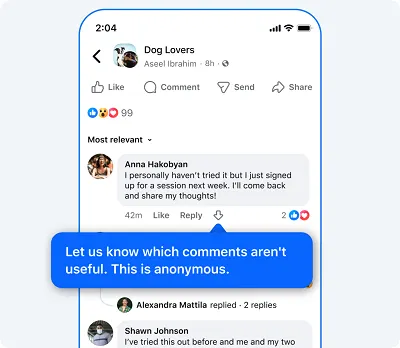
The implementation of comment downvotes by Facebook aims to combat spam, yet this approach has faced challenges in the past (2018, 2020, and 2021, as well as within Instagram this year) due to confusion surrounding the true meaning of the downvote feature. Users may misinterpret downvotes as a rejection of comments they dislike rather than as a critique of problematic remarks, leading to skewed data and ineffective outcomes.
Nevertheless, Meta continues to recognize the potential benefits of this feature and is reintroducing the comment downvote function to combat spam and low-quality replies.
Furthermore, Meta is intensifying its initiatives to combat impersonation and is actively promoting its Rights Manager tools to assist in addressing issues related to imposters and fake accounts.
Collectively, these measures should enhance Meta’s ability to minimize the prevalence of clear spammy junk in user feeds, contributing to a more authentic social media experience.
However, it is important to note that there are still challenges related to this type of misuse:

As previously mentioned, the emergence of AI-generated spam has become increasingly prevalent on Facebook, with users appearing more susceptible to these deceptive portrayals. This trend poses a significant challenge for the platform as it works to maintain credibility and trust.
While this issue seems to be of greater concern than the previously mentioned elements, Meta’s simultaneous push for users to create images using its AI tools complicates the matter. It raises questions about whether the platform can effectively address this growing challenge of AI-generated spam.
In conclusion, while addressing all forms of spam and junk content is crucial, there is uncertainty regarding whether Facebook is currently prioritizing the most pressing issues effectively.


 Clara Hastings
 Tessa Everly