 Daniel Mercer
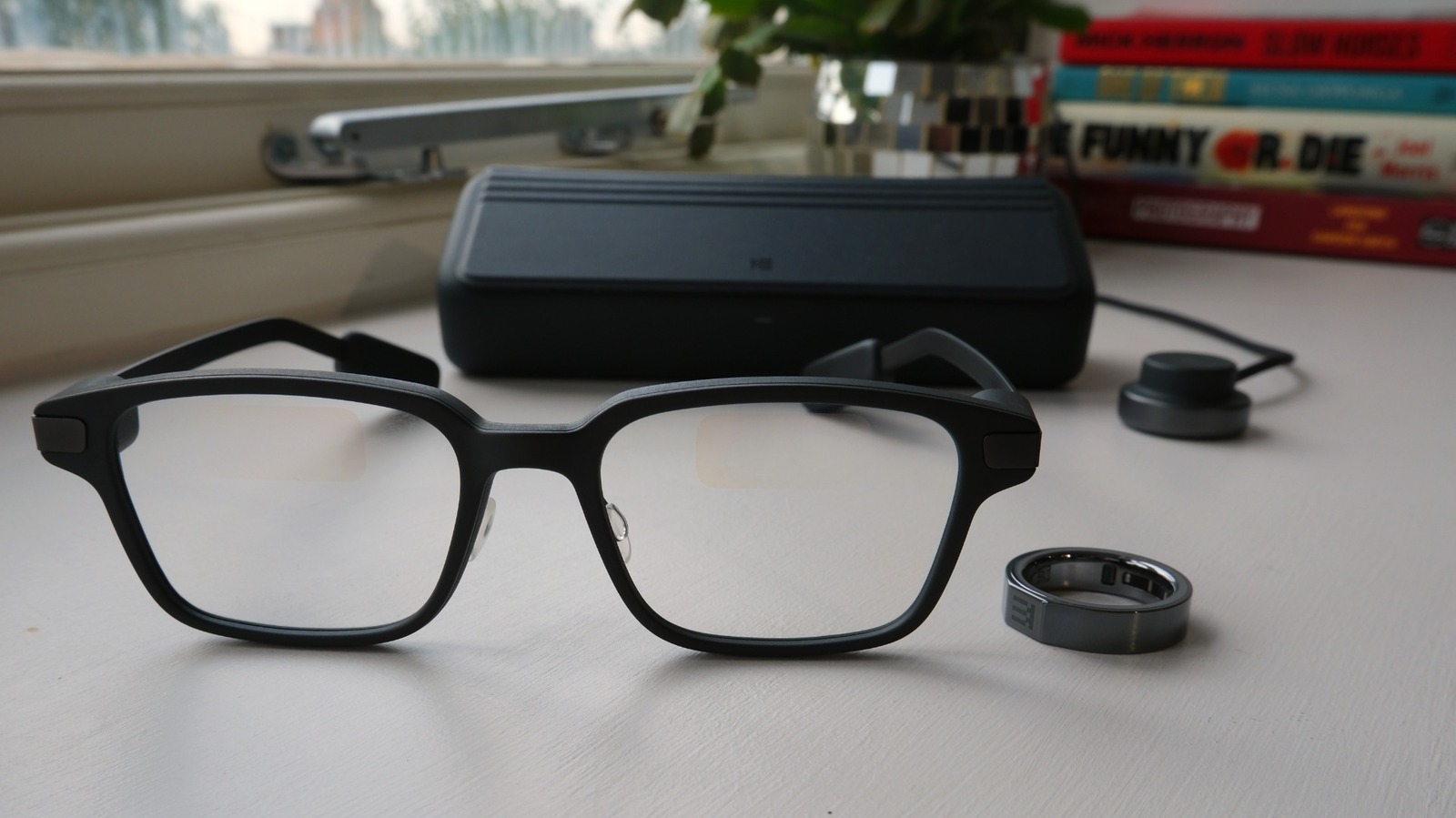

Using smart glasses instead of a smartphone or smartwatch aims to enhance your engagement with the real world while allowing for hands-free operation. cramming numerous features onto a device complicates its control scheme, which can be problematic. The concept of a ring controller seems promising, as it could enable you to navigate menus efficiently and discreetly. This design allows you to maintain your awareness of your surroundings while keeping your hands free — in theory.
Unfortunately, based on my experience, controlling smart glasses with a ring does not translate well into practical use. A narrow touchpad like a ring may recognize only four basic gestures: swipe up, swipe down, tap, and press. This limited control scheme is only marginally more advanced than that of standard AirPods, yet it serves as the primary method for navigating the device. I found this process to be more challenging than I anticipated.
To access the main menu, you need to tap and long-press on the ring or touchpad. the long press can easily be misinterpreted as a swipe. I have experienced numerous instances where taps were registered as swipes and vice versa, leading to frustration with menu navigation. It dampens your enthusiasm when you inadvertently launch apps you intended to bypass. I suspect that the ring’s small, sensitive surface struggles to accurately detect the gestures being performed.
I am open to the possibility that this issue may be specific to my usage, and representatives from Even Realities have indicated a similar sentiment. The lack of widespread complaints online suggests that this may not be a common experience.
The unfortunate part is that when the controls function correctly, it truly feels like a glimpse into the future. This sensation stems partly from the enhanced refresh rate of the displays, which are now quick enough to facilitate smooth scrolling. In just one generation, Even Realities has transformed their technology from static images to a user interface where menus and text scroll seamlessly, resembling a computer experience. It’s a pleasure to read and manage notifications while out with friends without needing to pull my phone from my pocket.
I have always valued the convenience of having notifications appear in my line of sight, allowing me to prioritize them without diverting my attention from other tasks. it is frustrating that you cannot place these notifications on the dashboard, the default screen activated when you use the glasses. The built-in applications are user-friendly; the translation feature is impressively fast, and the navigation tool proves useful, though it relies on Even’s proprietary maps rather than Google’s. The AI is quick and responsive, and while the transcription capability in the Conversate app, designed for meetings and note-taking, is adequate, it struggles with drawing conclusions.
There is also an app store featuring independent applications that can be added to your glasses at no cost. These apps are still in their infancy and tend to cater to a tech-savvy audience. For example, one app allows you to control your smartphone’s audio playback using your ring or glasses, displaying album art as well. setting it up requires accessing the developer dashboard on Spotify to connect to the necessary APIs. This signifies a developing ecosystem, but it may deter potential users who are less technologically inclined.