 Daniel Mercer
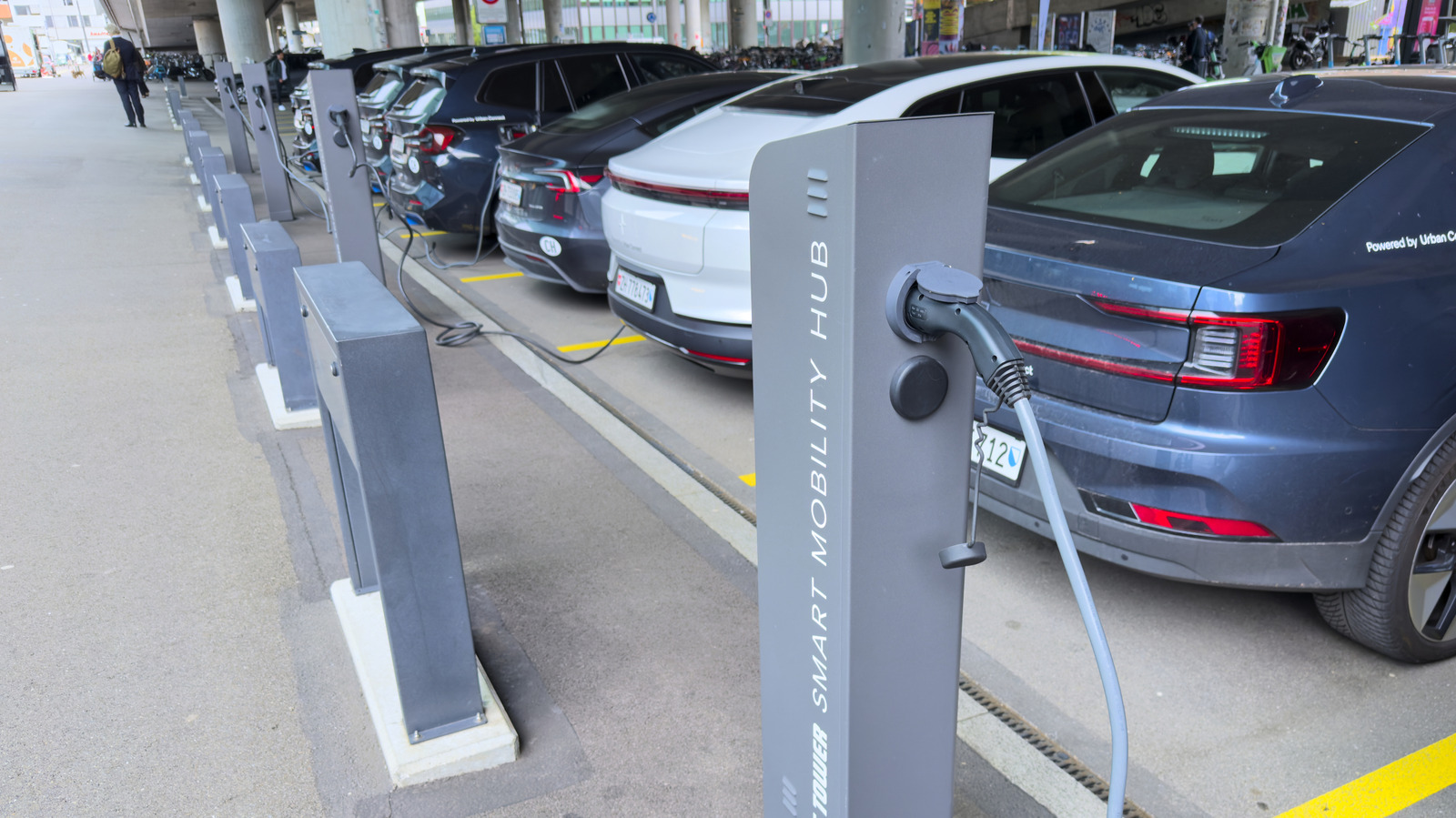

Contemporary electric vehicle batteries are not only meeting expectations but surpassing them in performance.
For many years, potential electric vehicle buyers hesitated due to concerns about battery longevity. This anxiety was justified: what happens when an expensive battery pack begins to deteriorate? real-world data reveals that these worries should not deter buyers. Modern EV batteries are not just enduring; they are exceeding nearly all forecasts made by the automotive industry.
With electric vehicles now in use for several years, it has become evident that earlier predictions were overly pessimistic. After five years of operation, the average electric car retains up to 95 percent of its original range.
What were the Initial Expectations for Electric Vehicle Battery Lifespan?
Skeptics of early electric vehicles presumed that battery packs would deteriorate rapidly. In 2010, when the first Nissan Leaf was introduced, its lack of battery-cooling technology led to significant range loss. A study conducted by Recurrent in 2025 revealed that between 2011 and 2016, about 8.5 percent of electric vehicles required complete battery replacement.
This reality contributed to the ongoing anxiety surrounding the reliability of electric vehicles. According to a 2025 survey by AutoPacific, the fear of battery replacement costs remains the primary reason consumers shy away from electric vehicles. contemporary data contradicts these fears.
What is the Actual Lifespan of Modern Electric Vehicle Batteries?
Among electric vehicles manufactured from 2022 onward, only 0.3 percent have required battery replacement, according to the same Recurrent study. After five years of use, the average electric vehicle still provides up to 95 percent of its original range, which far exceeds initial forecasts.
Geotab, a connected car data analytics firm, analyzed over 22,700 electric vehicles and found that modern batteries degrade at an average rate of 2.3 percent per year. At this degradation rate, EV batteries could realistically last two decades or longer.
What Factors Contribute to the Extended Lifespan of Electric Vehicle Batteries?
Justin Sullivan/Getty Images
A crucial question arises: why are modern electric vehicle batteries lasting longer than laboratory tests suggested? Several factors contribute to this improvement, starting with advancements in battery technology and the discrepancies between lab testing and real-world driving conditions.
Battery technology has evolved significantly over the years. Viet Nguyen-Tien, a research officer focused on electric vehicles at the London School of Economics, informed the Wall Street Journal that three key improvements have led to the success of modern batteries. Firstly, they possess a superior chemical composition compared to earlier generations. Secondly, they feature advanced management systems, and lastly, they include enhanced thermal regulation.
As a consequence, battery prices have plummeted by more than 90 percent since 2010, according to a BloombergNEF report. Manufacturers now design battery packs for repairability, allowing individual cells to be replaced instead of the entire unit.
Another significant reason for the longevity of EV batteries is that laboratory tests often fail to replicate real-world driving patterns. In controlled settings, batteries are usually subjected to continuous current discharging, draining them at a consistent rate from full to empty. actual driving is much more variable.
Stanford University’s SLAC-Stanford Battery Center conducted tests on 92 commercial lithium-ion EV batteries over two years, simulating real-world driving conditions, including stop-and-go traffic, rapid acceleration, regenerative braking, and extended rest periods. Under these varied conditions, battery life can be extended by up to 38 percent compared to standard lab tests that employ constant current discharging.
What Strategies Can Electric Vehicle Owners Use to Enhance Battery Lifespan?
Christopher Furlong/Getty Images
Investing in an electric vehicle also means taking proactive measures to care for both the car and its battery. Geotab’s research indicates that charging habits are the most significant controllable factor affecting battery health. Vehicles that utilize high-power DC fast charging above 100kW experience degradation rates of up to 3 percent per year, which is twice the rate of those that use lower-power charging methods. maintaining your battery charge between 20 and 80 percent during regular use can greatly reduce long-term wear.
The contrast between early fears regarding electric vehicle batteries and the current reality is striking—and continues to grow. With decreasing degradation rates and declining replacement costs, the case for electric vehicle ownership becomes increasingly compelling each year.



 Ethan Carter