 Brandon Fletcher


How can you choose an Android phone that meets your everyday requirements without breaking the bank?
You don’t need to spend a fortune on an Android phone, even when opting for a brand-new model. Numerous affordable Android phones are available for $300 or less, provided you know what critical features to prioritize. Understanding which aspects are essential versus those where you can compromise is vital. For instance, it’s perfectly acceptable to avoid a premium titanium frame since you will likely use a case. you should avoid phones with inadequate RAM, poor battery performance, subpar cameras, sluggish processors, or small screens.
Your personal preferences may influence what features you’re willing to sacrifice. For example, if you often create content, you’ll want a phone with at least average camera quality. Conversely, if you’re simply looking for a secondary phone for basic messaging, decent cameras may suffice. Nevertheless, certain non-negotiable features should be prioritized by anyone searching for a budget-friendly Android device, regardless of individual usage plans.
Essential Screen Size and RAM Specifications
 Ivan-balvan/Getty Images
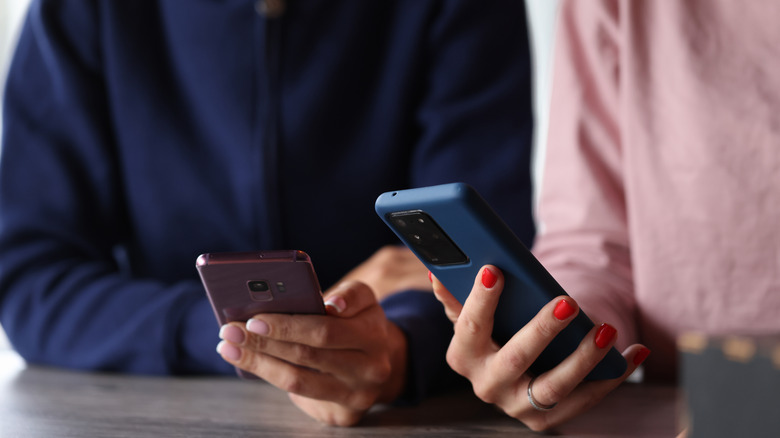
Do you remember when phones featured small screens? The original iPhone’s 4.5-inch display was revolutionary, but by today’s standards, that size is insufficient. A modern phone should have a minimum display size of 5.6 inches, with most models now having at least 6.1 inches. This size provides a comfortable grip and allows for easy two-handed typing, while also ensuring that content is clearly visible. The display should ideally be an AMOLED panel with HD resolution and a peak brightness of at least 1,000 nits, allowing for readability even in direct sunlight.
RAM is another critical element to keep in mind. A minimum of 6GB RAM is essential; anything less could result in sluggish multitasking, inconsistent video streaming, and poor gaming experiences. If you frequently engage in mobile gaming, consider opting for 8GB of RAM. if the device lacks expandable storage—which is rare nowadays—128GB should be the bare minimum, with 256GB providing added peace of mind. This ensures you won’t receive a “storage full” alert too quickly, forcing you to either delete files or subscribe to cloud storage services.
The processor also plays a vital role in your phone’s performance. While you might not need the latest and greatest model, avoid anything that operates sluggishly. Research the processor’s release date and read performance reviews to gauge its reliability. Investing in a budget device that is slow and laggy can hinder your streaming and gaming experience, making a capable processor crucial for an enjoyable Android phone experience.
Prioritize Battery Life and Camera Quality
 Nuva Frames/Shutterstock
Battery life and camera capabilities are crucial considerations. A battery capacity of at least 4,500mAh is generally sufficient, particularly if the phone does not engage in heavy AI processing. aiming for a 5,000mAh battery is advisable to ensure it lasts all day with moderate use. Regarding cameras, look for a phone that can capture images suitable for social media sharing and personal keepsakes. Ideally, the rear camera should feature at least a 32MP sensor and a large sensor size to capture more light, resulting in better overall photo quality, even if some models have lower megapixel counts.
Don’t overlook the front camera; a minimum of 12MP is recommended, paired with a good sensor size for quality selfies. Additional features to consider include NFC for contactless payments and the latest Bluetooth versions for stable connections with headphones and speakers. For older models, ensure there are several years of software and security support remaining. While this may seem extensive, many options meet these criteria, such as Samsung’s Galaxy A series (including the Samsung Galaxy A17) or devices from brands like Nothing and Motorola.
Even older Google Pixel models can meet these standards. For instance, you can find a renewed Google Pixel 8a for just over $300, offering nearly all the essential features mentioned. Ideally, wait for seasonal deals to snag a high-quality mid-range phone at a budget price. While compromises are necessary when choosing a low-cost option, numerous phones within the $300 range successfully satisfy these essential specifications.


 Daniel Mercer

 David Bridges