 David Bridges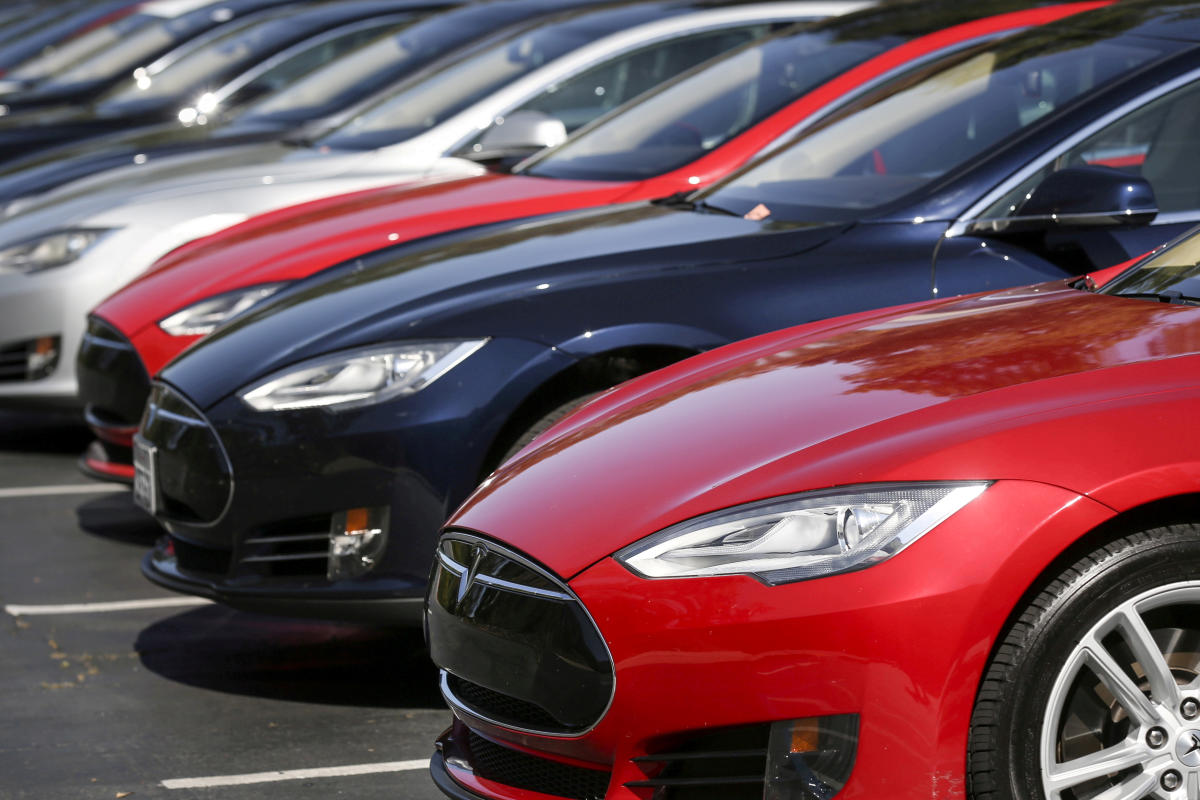
A recent report from Reuters reveals that president-elect Donald Trump’s transition team is actively seeking to eliminate a crucial regulation established by the National Highway Traffic Safety Administration (NHTSA). This regulation mandates that automotive manufacturers report any crashes involving advanced driver assistance systems or automated driving technologies that occurred within 30 seconds of the incident. The NHTSA’s Standing General Order, issued in 2021, aims to collect vital data that could be instrumental in recognizing potential safety hazards associated with these technologies, ultimately enhancing road safety for all.

The insights gathered from this data have already played a significant role in investigations related to crashes involving several prominent companies, including Tesla and GM’s Cruise, which has recently decided to discontinue its robotaxi program. According to Reuters, Tesla has expressed strong opposition to the reporting requirement, arguing that the data could be misconstrued and misrepresented to consumers. Sources close to Tesla executives indicate that the transition team, tasked with formulating a 100-day automotive policy strategy, has recommended that the new administration revoke this requirement, labeling it as “excessive” in terms of data collection.
It remains unclear whether Elon Musk, who contributed over $250 million to Trump’s campaign and has been appointed to lead the new “Department of Government Efficiency” alongside Vivek Ramaswamy, influenced this recommendation. Notably, Tesla has reported over 1,500 incidents and has been involved in 40 out of 45 fatal crashes documented by the NHTSA, according to Reuters. However, legal expert Bryant Walker Smith from the University of South Carolina pointed out that Tesla operates a larger fleet of vehicles equipped with advanced driver assistance technology, meaning they naturally accumulate more real-time crash data compared to other manufacturers. This could result in a disproportionately high number of reported incidents, raising questions about the accuracy and implications of the data being discussed.



 Daniel Mercer
 Brandon Fletcher