David Bridges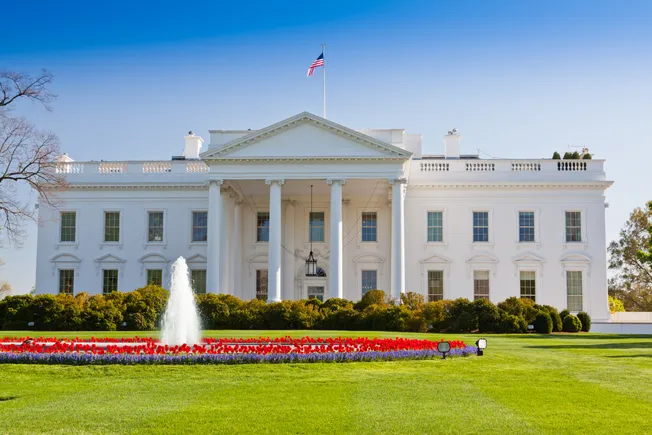
The future of TikTok in the U.S. appears secure as the Trump Administration advances plans for a new structure that includes establishing a dedicated entity called “TikTok America.” This initiative aims to attract investment from U.S. partners, ensuring the platform’s continued operation within American borders.

According to initial reports by The Information, President Trump has seemingly endorsed a deal his team believes will comply with the “Protecting Americans from Foreign Adversary Controlled Applications Act.” Enacted on January 19th, this legislation mandates that TikTok must transition to U.S. ownership to maintain its presence in the nation.
Given that the bill was enacted prior to Trump’s inauguration, he cannot rescind the law as it stands. Consequently, Trump has issued a 75-day suspension of the law’s enforcement, which is set to expire later this week, creating a sense of urgency to finalize the deal.
The White House now expresses confidence that a viable solution has been identified to keep TikTok operational while adhering to the stipulations of the new law. This newfound assurance could pave the way for the app’s continued popularity among American users.
Reports indicate that “TikTok America” will be partly owned—specifically, 50%—by a consortium of U.S. investors, which is expected to include notable firms such as Oracle, Blackrock, and Andreesen Horowitz, among others awaiting confirmation.
Moreover, the proposed agreement would involve licensing TikTok’s highly regarded algorithm to the U.S.-based entity. This arrangement meets a critical requirement set by the Chinese government, allowing ByteDance, TikTok’s parent company, to retain ownership of its algorithm while still complying with U.S. regulations.
However, challenges remain, particularly in relation to the law’s stipulation that foreign-owned entities cannot exert control over the platform nor maintain an “operational relationship” concerning content recommendation algorithms. This regulatory requirement raises questions about whether leasing the algorithm could satisfy legal standards.
The current proposal also suggests that ByteDance will retain a 19.9% stake in the U.S. enterprise. With the law prohibiting any foreign entity from owning more than 20%, this arrangement keeps them just within the legal limit, yet it raises concerns about ongoing influence over the platform.
So, is this arrangement beneficial for all parties involved?
While it appears that the deal could technically meet the legal requirements of the Senate-approved legislation, the fact that ByteDance would still possess significant control over the algorithm and maintain a substantial stake may be viewed as a major concession by those who advocated for the original bill’s stricter provisions.
It is important to remember that the initial legislation was prompted by unspecified national security concerns, particularly regarding data collection on American citizens and the potential dissemination of pro-China propaganda. However, these allegations have not been conclusively proven based on publicly available information from security agencies. Following confidential briefings, U.S. senators overwhelmingly supported the bill, voting 431 to 83 in both the House and Senate, reflecting bipartisan apprehensions regarding the app’s implications.
Given that ByteDance would still “own” the algorithm, this aspect could become contentious, and it will be interesting to see how the proposal withstands scrutiny as it approaches finalization.
Additionally, it will be intriguing to observe which other companies may express interest in acquiring a stake in the U.S.-based TikTok entity. Major players such as Amazon, Walmart, and content creator MrBeast, along with Reddit founder Alexis Ohanian, have demonstrated interest in the platform. Could these entities also seek to establish their own business interests through a collaborative ownership model?
While there are still details to finalize, it appears that TikTok will likely continue to be accessible to users in the U.S., maintaining its position as a significant player in the social media landscape.


 Maya Kensington
 Ivy Caldwell