Daniel Mercer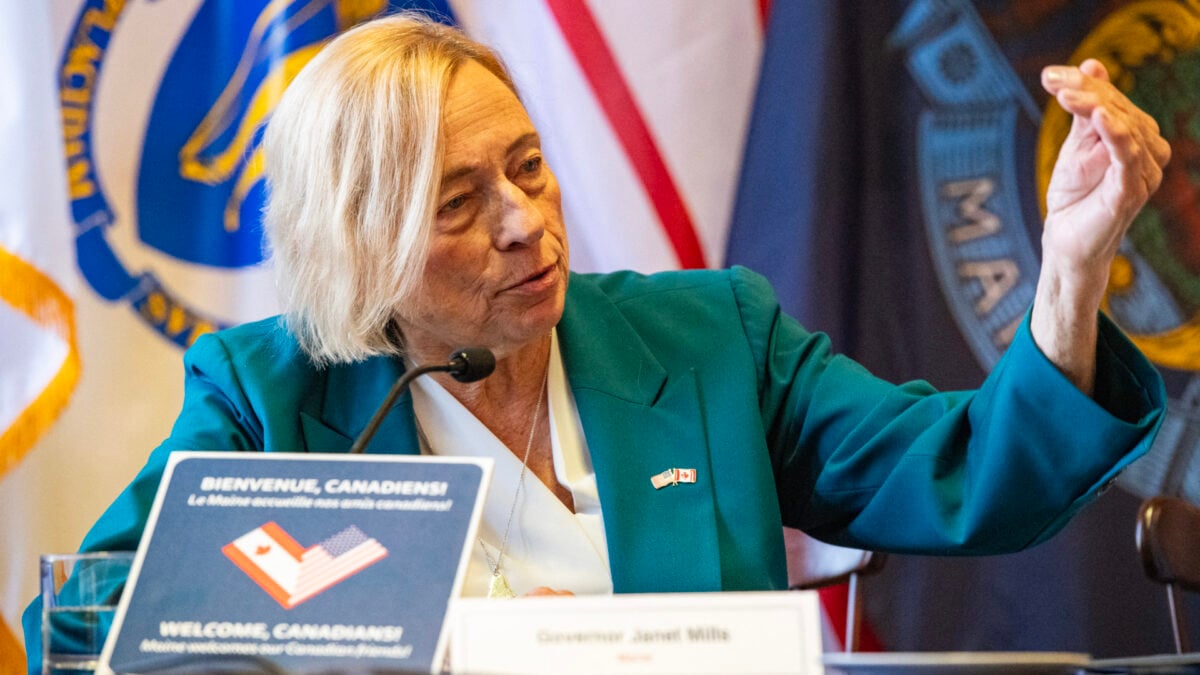

This month, Maine was on the verge of becoming the pioneering state to implement a moratorium on AI data centers. The Democrat-controlled legislature in the state passed a significant bill aimed at prohibiting data centers with a capacity of 20 megawatts or more until November 1, 2027. Additionally, the bill proposed the formation of a 13-member council tasked with assessing the implications of data centers on the local environment and economy. The legislation was subsequently forwarded to Governor Janet Mills for her signature.
However, over the weekend, Governor Mills vetoed the proposed bill, placing Maine among a growing list of states that have attempted, yet failed, to impose a moratorium on data centers. This decision has sparked debate about the balance between technological advancement and community impact.
The governor’s opposition to the moratorium is linked to a specific data center project planned in a small town located in Franklin County. This project has garnered significant local support and is seen as a potential economic boost for the community.
In her letter announcing the veto, Mills remarked, “A moratorium is appropriate given the impacts of massive data centers in other states on the environment and on electricity rates. However, the final version of this bill fails to accommodate a specific project in the Town of Jay that enjoys strong local support from its host community and region.” Her emphasis highlights the importance of local community interests in legislative decisions.
Following the closure of a mill in 2023, the Town of Jay faced significant job losses, and according to Mills, the community was optimistic about the hundreds of temporary construction jobs and several permanent roles that the new data center would create on the site of the old mill. Local officials, including those from the Town of Jay, Franklin County Commissioners, and the regional Chamber of Commerce, have all expressed their support for the data center project by sending letters to Mills, requesting an exemption from the moratorium.
“I supported the exemption and would have signed this bill if it had included it,” Mills stated, indicating her willingness to support local economic initiatives.
Although the veto was issued, Mills announced her intention to sign a separate bill that would restrict data center projects from accessing certain state tax incentive programs. This new bill will still establish a council that will “examine and plan for the potential impacts of large-scale data centers in Maine,” ensuring ongoing oversight of the industry.
If it had been enacted, the Maine bill would have marked a significant regulatory development in the United States amidst growing public discontent regarding AI and the extensive construction of data centers it has prompted. The concept of artificial intelligence has increasingly faced criticism from the public, primarily due to its adverse effects on mental health, the environment, and the job market.
Moreover, local activists across the nation have expressed strong opposition to data center projects, raising concerns over skyrocketing utility bills, water shortages, air pollution, and rising local temperatures commonly associated with these large-scale facilities. In some cases, the opposition has escalated to violence, as seen in Indianapolis, where a shooting occurred at the residence of a local politician advocating for a disputed data center project. Just days after this incident, a molotov cocktail was thrown at the home of OpenAI CEO Sam Altman in San Francisco.
A core principle of the movement against AI data centers is the call for a moratorium on new project developments. This pause would allow researchers and policymakers the necessary time to catch up with the rapid advancements in AI technology and to fully comprehend its effects on local communities, human health, the economy, and the environment. Advocates for the moratorium argue that with a clearer understanding of AI’s implications, governments can establish adequate regulations to ensure the responsible development of AI data centers.
Governor Mills’ decision in Maine may soon face scrutiny at the ballot box. She is currently campaigning for the Democratic Senate seat in the upcoming Maine primaries and is trailing her opponent, Graham Platner, in the polls. Platner has publicly stated that he believes Mills should have signed the bill into law, further complicating her political standing.


 Brandon Fletcher