 Brandon Fletcher
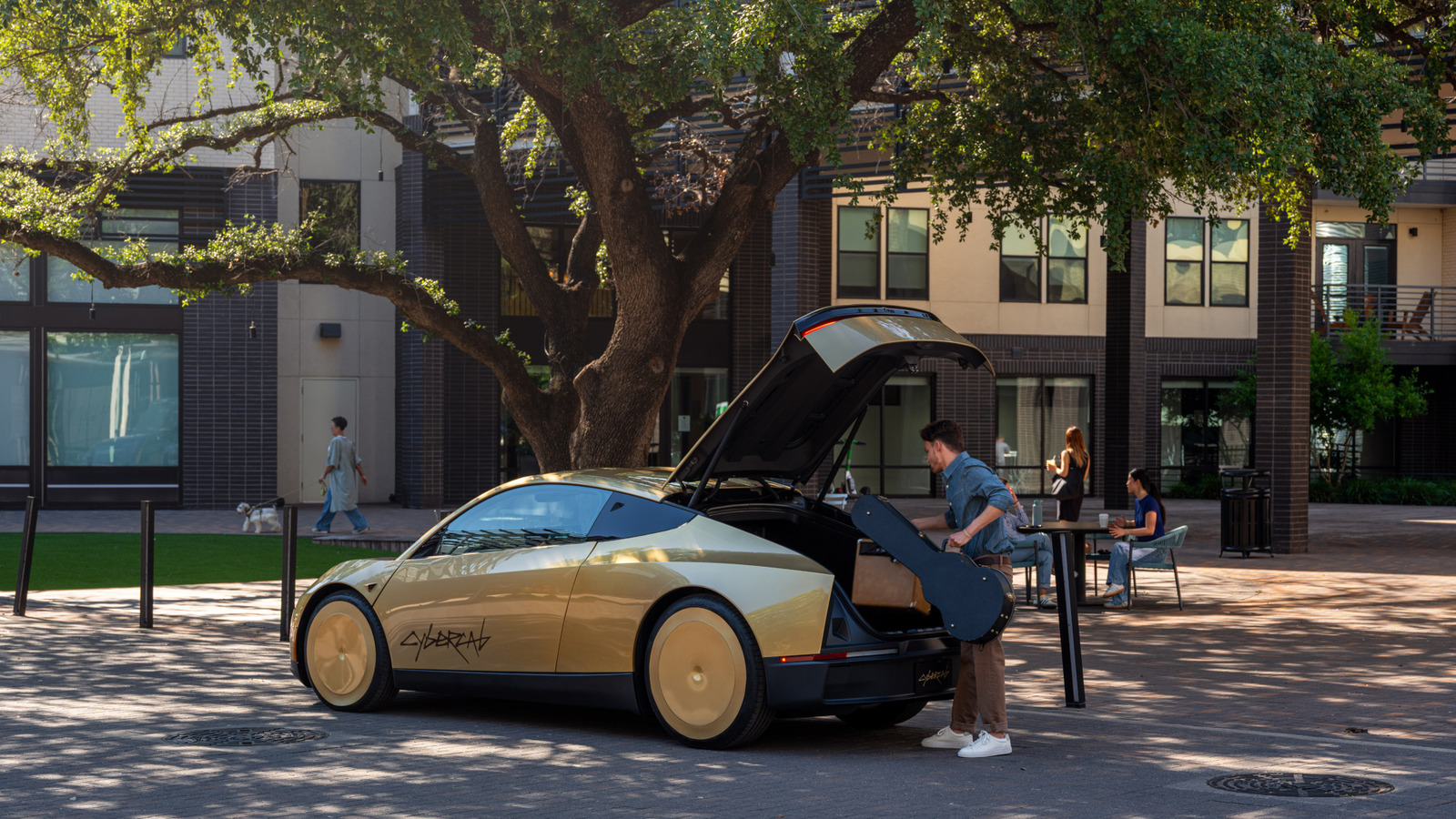

Tesla plans to implement Unsupervised Full Self-Driving technology in select vehicles by the second quarter of 2027.
Tesla is set to begin offering Cybercabs to customers before the end of 2026. Lars Moravy, the Vice President of Engineering at Tesla, announced during the third quarter earnings call that the company is “working to get Cybercabs to customers by the end of this year.”
Moravy explained that while Tesla is currently manufacturing Cybercabs at its Gigafactory in Texas, these initial units are intended for the company’s internal robotaxi operations. If they successfully deliver these vehicles to customers this year, Tesla plans to start with a limited number. As they gain insights into “ownership and fleet management of autonomous vehicles in customer hands,” the company will gradually increase Cybercab sales. Elon Musk acknowledged that “the vast majority” of the Cybercabs will remain “essentially Tesla-owned” and operate under the company’s ride-hailing service.
The Cybercab concept was first introduced in 2024, but it wasn’t until September 2026 that Tesla began providing rides in Austin, Texas, through its Robotaxi app. Recently, the company has started accepting inquiries from potential buyers. Tesla is particularly interested in partnering with entities that can assist in “building its robotaxi network,” indicating that initial sales will target companies capable of purchasing entire fleets.
Unlike Tesla’s traditional vehicles, Cybercabs do not feature steering wheels or brake pedals. These vehicles are designed for full autonomy and depend entirely on Tesla’s Full Self-Driving software. Since the Unsupervised version of this software is not yet available for consumers, any Cybercabs sold to customers cannot be integrated into Tesla’s ride-hailing fleet at this time. Currently, only the Supervised version of the software is accessible to Tesla owners, which still requires a human driver to operate the vehicle. Ashok Elluswamy, Tesla’s Director of AI, mentioned during the call that the company expects to enable Unsupervised Full Self-Driving on “some of the first customer vehicles to be part of the Robotaxi fleet” around the second quarter of 2027.
It is important to note that shortly after the launch of Cybercab rides in Austin, the National Highway Traffic Safety Administration (NHTSA) initiated an investigation into the vehicles. The agency stated that Tesla self-certified the vehicles as compliant with all relevant Federal Motor Vehicle Safety Standards (FMVSS). The NHTSA plans to review the processes and data used by the automaker to self-certify the vehicles, ensuring they adhere to these critical safety standards.


 Daniel Mercer