 Brandon Fletcher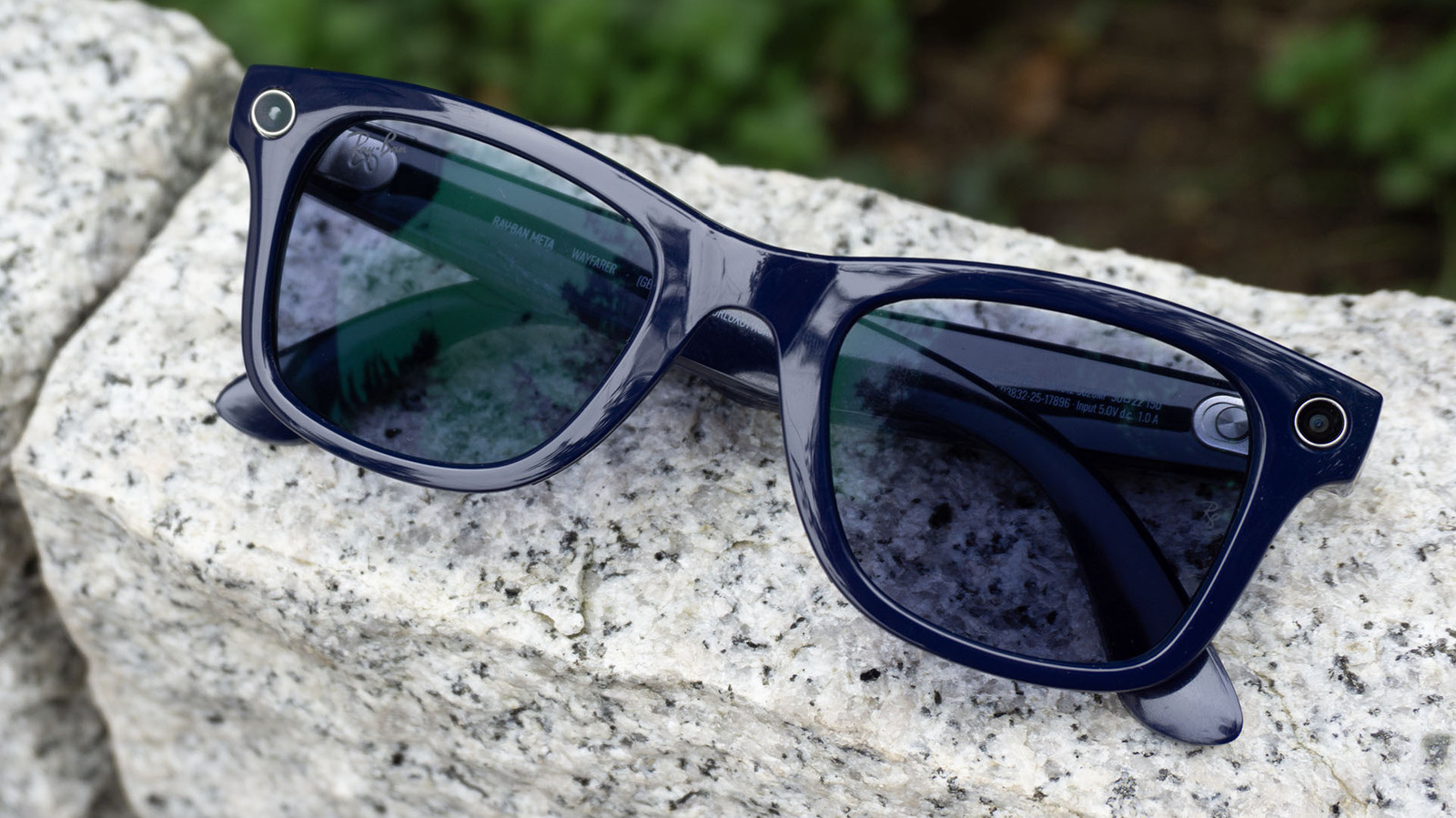

The Impact of Immigration Policies on Smart Glasses Usage
Immigration and Customs Enforcement (ICE) has informed its employees that wearing Meta glasses during work hours is prohibited. According to a memo shared with staff, “the use of Meta Glasses or similar devices could unintentionally capture, record, or transmit sensitive information, potentially compromising privacy and legal protections,” as reported by The New York Times.
This policy applies to all agency employees, not solely field agents. A spokesperson from the Department of Homeland Security confirmed to The NYT that workers have “always” been prohibited from using “personally owned body-worn cameras.” While this memo may serve to clarify an existing policy, its issuance highlights the growing visibility of Meta’s smart glasses amid the ongoing immigration enforcement efforts in the United States.
ICE and Customs and Border Patrol (CBP) agents have been seen wearing Meta’s smart glasses multiple times in recent months. One instance reported by 404 Media involved a CBP agent who was observed recording with the glasses in violation of policy. a Border Patrol member used a pair during an immigration raid. Investigations by The Independent have identified similar occurrences in at least six states.
While the Department of Homeland Security is advising against the use of smart glasses, it reportedly has an interest in developing a specialized version of this technology. Budget documents reviewed by independent journalist Ken Klippenstein suggest that ICE aims to provide its personnel with custom smart glasses equipped with “biometric identification capabilities” by the next fiscal year.
Although Meta has not publicly commented on the appropriateness of its product for law enforcement purposes, its association with ICE could deter potential customers. The company faces increasing criticism related to its product. Concerns have arisen regarding an unreleased facial recognition feature developed by Meta, which amplifies fears about the glasses being used for surveillance. the LED designed to protect user privacy has been demonstrated to be easily circumvented.


 Daniel Mercer