 Cameron Steel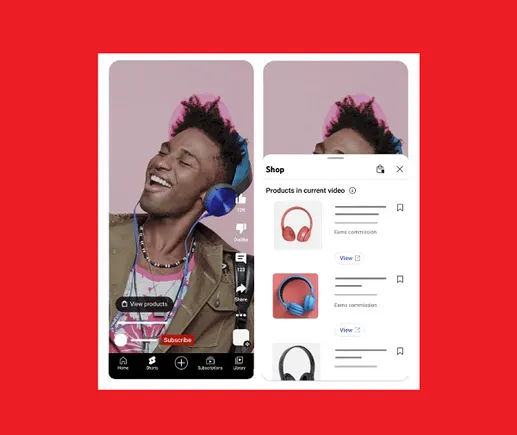

YouTube is actively exploring options for locally sourced product alternatives in its affiliate tagging feature. This initiative aims to provide creators with enhanced tools to comply with local disclosure regulations when promoting products in their videos.
YouTube has initiated a test to introduce alternative retailer options for affiliate-tagged products. This change will ensure that product listings are more relevant and accessible to local audiences.
YouTube elaborates: “We’re conducting a small affiliate shopping experiment to display the same creator-tagged affiliate product sourced from different eligible local retailers. This test aims to assess whether we can improve shopping performance by automatically optimizing which local merchants are showcased for a product.”
Importantly, YouTube clarified that this experiment will not affect product tags on videos where creators have activated the Paid Product Placement feature. The test specifically pertains to affiliate product tags via its Shopping Affiliate program.
YouTube’s Shopping Affiliate system enables eligible creators to tag products in their video content and earn commissions on any resulting sales. Recently, the platform announced a substantial expansion of this program, now including Amazon products in the affiliate listings.
This initiative could potentially boost sales due to shorter delivery times, leading to increased commission opportunities. YouTube is likely testing whether the shift to local providers enhances user engagement and purchasing behavior. If successful, this could establish a new standard for affiliate listings.
Regarding local compliance, YouTube has also announced updates to its paid partnership disclosures to better align with local regulations.
The platform is enhancing its branded content labels to clarify what these labels signify. This change aims to improve transparency for viewers.
YouTube stated: “As this rolls out, viewers will notice a newly updated branded content disclosure label that provides context at a glance.”
YouTube is granting creators increased control over who can view their branded content through new settings that allow for age and location restrictions.
YouTube indicated that these updates will assist creators in navigating specific legal requirements for sponsored content across various nations. This flexibility will also encourage more brand partnerships since creators will not have to decline offers due to stringent demographic or regional limitations.
The app is implementing automated detection systems to enforce its disclosure policies effectively.
YouTube explained, “If our systems identify that your newly uploaded video contains branded content that you did not disclose, we may automatically apply the disclosure label on your behalf to maintain policy compliance and ensure viewer transparency.”
Lastly, YouTube has revised its paid product placement policy, creating new terminology to align with industry standards surrounding branded content.
These updates are significant for creators and brands aiming to leverage YouTube’s product placement and affiliate marketing opportunities.


 Sophie Langley
 Mason Thompson