Daniel Mercer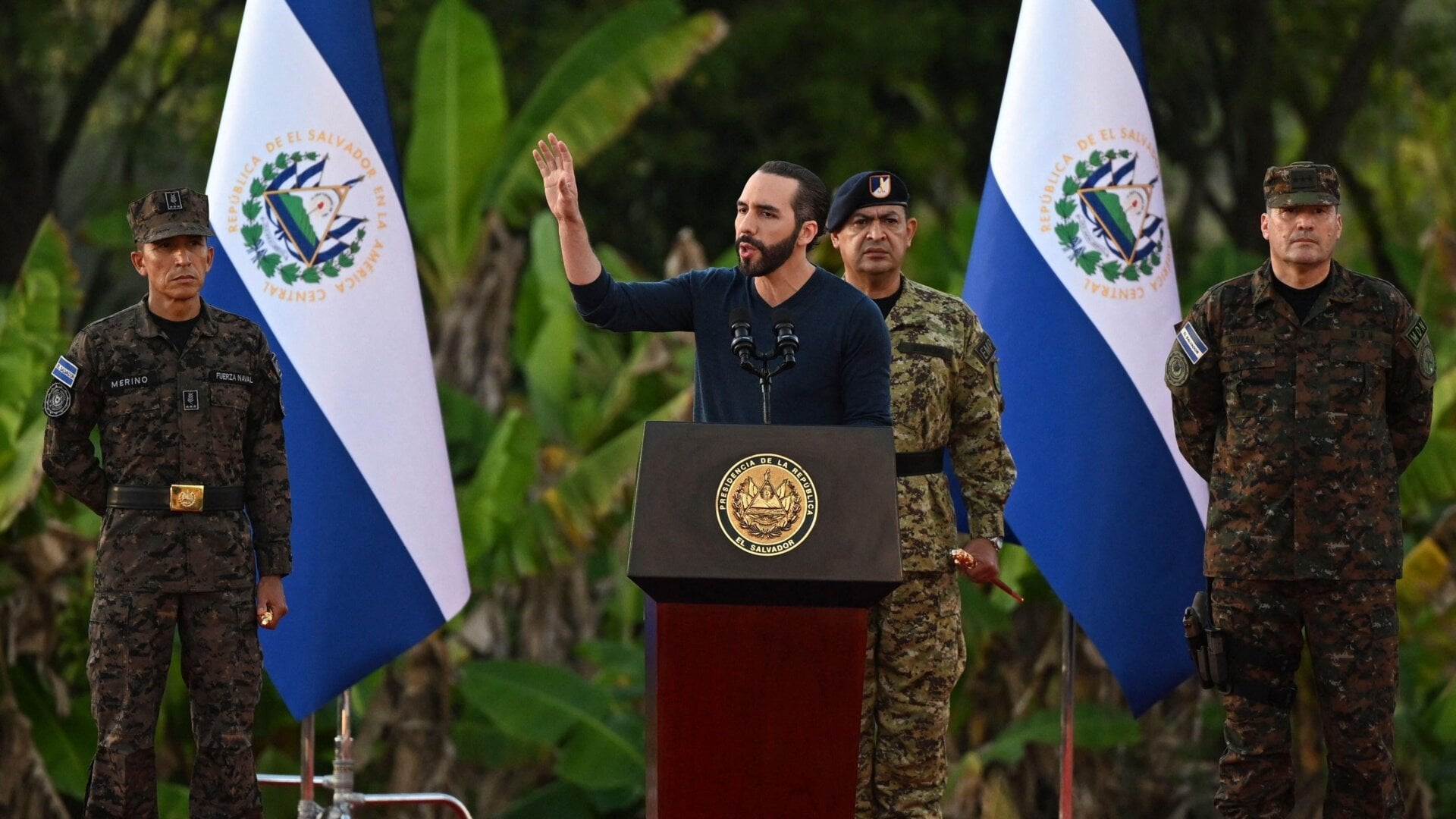

The Salvadorean news outlet El Faro has recently reported on a significant development: assets linked to two of its shareholders, including various bank accounts and properties, have been frozen. This action is believed to have been ordered by President Nayib Bukele in retaliation for the outlet’s extensive investigations into corruption within his administration. The irony of this situation is notable, as Bukele has positioned himself as a leading advocate for Bitcoin, which fundamentally opposes such actions that contradict the cypherpunk philosophy underlying digital currencies. Had El Faro utilized cryptocurrency instead of traditional banking methods, executing such an asset freeze would have proven far more challenging.
On Thursday, El Faro publicly revealed the asset freezes after uncovering them through its own bank investigations and property registry checks, rather than receiving any formal notification from the government. Director Carlos Dada characterized these actions as politically motivated rather than fiscally driven, accusing the government of attempting to silence dissenting voices. The outlet has a history of investigating alleged corruption surrounding Bukele’s inner circle, including recent inquiries into gang negotiations and a PBS Frontline documentary that aired shortly before the asset freezes occurred. Previously, government auditors accused El Faro of evading approximately $200,000 in taxes since 2020, a claim that the outlet firmly disputes. When the Associated Press sought a comment from Bukele’s administration, there was no immediate response, though the president has previously labeled the organization’s reporting as “fake news.” Following this latest development, El Faro has relocated its headquarters to Costa Rica and now operates in exile.
President Bukele first introduced his ambitious Bitcoin strategy during the Bitcoin 2021 conference held in Miami. Shortly after, the Legislative Assembly enacted the Bitcoin Law, officially recognizing Bitcoin as legal tender within the country. The government launched the Chivo wallet in October and incentivized citizens by depositing the equivalent of $30 in Bitcoin to every individual who registered. Furthermore, the government began purchasing Bitcoin directly, initiating with a significant acquisition of 400 Bitcoins valued at approximately $20.9 million on the eve of the law’s implementation. In the subsequent months, the treasury amassed a total of at least 2,300 Bitcoins, costing around $150 million; however, current reports regarding the country’s Bitcoin holdings present conflicting information about whether the government is still actively purchasing Bitcoin. Bitcoin ATMs were rolled out in commercial areas, particularly in the surfing town of El Zonte, which earned the designation of Bitcoin Beach. The Bitcoin Law mandated that all businesses within the nation accept Bitcoin as a payment method, and Bukele proposed grand plans for a geothermal-powered Bitcoin City at the base of the Conchagua volcano, along with $1 billion in volcano bonds aimed at financing both the city’s development and additional Bitcoin acquisitions.
The reporting by El Faro has consistently maintained a skeptical stance towards these initiatives. The outlet has scrutinized the significant lack of transparency surrounding government Bitcoin transactions, the undisclosed particulars of the $150 million trust fund, and the disparity between official declarations and the actual outcomes. Their coverage has effectively illustrated how the mandatory acceptance of Bitcoin conflicted with the preferences of everyday Salvadorans, raising serious questions about whether the initiative genuinely benefits ordinary citizens or primarily serves to enhance Bukele’s reputation on the international stage.
The Chivo wallet has also stirred controversy both within El Salvador and among the broader Bitcoin community. Marketed as a straightforward entry point to Bitcoin, it functions as a custodial service governed by a state entity. Users must provide their national ID numbers, birth dates, and selfies for Know Your Customer (KYC) and Anti-Money Laundering (AML) checks, granting authorities visibility over transactions that private Bitcoin wallets typically safeguard against. According to WalletScrutiny, the app’s source code was obfuscated and closed-source, thus preventing independent audits. A survey conducted in September 2021 revealed that 68% of Salvadorans opposed the adoption of Bitcoin, with nine out of ten respondents indicating they did not fully understand the cryptocurrency. By 2022, only about 20% of businesses were accepting Bitcoin in practice, and the proportion of remittances sent through the network remained below 2%.
Recently, El Salvador has retracted several key components of its Bitcoin strategy to secure a $1.4 billion loan from the IMF Extended Fund Facility. In January 2025, the Legislative Assembly amended the Bitcoin Law, eliminating the requirement for businesses to accept Bitcoin, prohibiting its use for tax payments or government debts, and distancing itself from direct involvement in the Chivo wallet. These changes took effect 90 days following their enactment. The IMF has long criticized the volatility and money-laundering risks associated with the initial policy, prompting these significant adjustments.
In 2021 the head of a leading independent media organization in El Salvador joked to me that they might need Bitcoin (even if they opposed all of Bukele’s policies) because eventually their bank accounts would be frozen or censored
Well… https://t.co/LKUVxLNjw8
— Alex Gladstein 🌋 ⚡ (@gladstein) June 20, 2025
Within the Bitcoin community, opinions about Bukele are sharply divided. Many individuals express enthusiasm for the first endorsement of Bitcoin by a nation-state and appreciate the heightened attention it has brought to self-custody solutions and Lightning Network payments. However, others voice concerns that the deterioration of democratic norms under Bukele’s leadership undermines the fundamental promise of the technology, which is to ensure individual sovereignty. Alex Gladstein from the Human Rights Foundation articulated this tension in a 2021 article published by El Faro, stating, “It’s quite clear that Bukele is dismantling democracy very fast, and that’s antithetical to Bitcoin,” a sentiment that highlights the complexities of the intersection between cryptocurrency and governance.