 David Bridges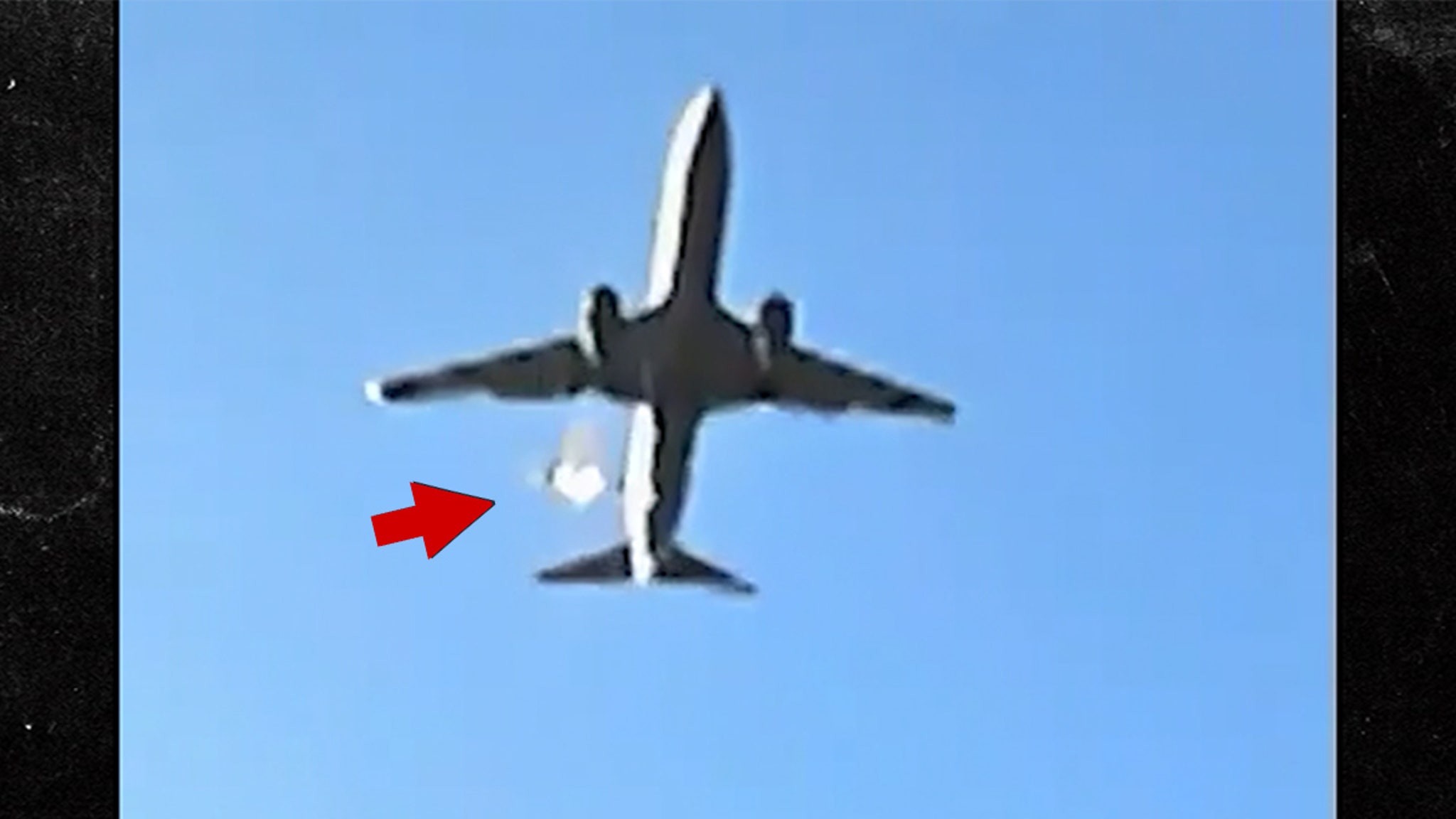

The recent tragic incident involving a Boeing passenger jet highlights the critical need for heightened awareness regarding potential bird strikes. Reports indicate that the aircraft was warned just minutes before it attempted a perilous emergency landing, underscoring the importance of timely alerts in aviation safety. Such incidents can have devastating consequences, as demonstrated by this accident, which claimed the lives of many individuals. Understanding the circumstances surrounding this event is essential for assessing the overall safety measures currently in place to protect passengers and crew from similar occurrences in the future.
According to the Transport Ministry of the country, air traffic controllers played a crucial role in alerting the flight crew about the devastating bird strike before the tragic accident occurred on Saturday. This incident led to the loss of 179 lives. Such alerts are vital for pilots, providing them with the necessary information to take precautionary measures. The communication between air traffic control and the aircraft is a vital component of aviation safety, helping to prevent such catastrophic events by ensuring that crews are fully informed of potential hazards.
A Jeju Air flight 7C2216 carrying 181 passengers and six flight attendants drove off the runway and crashed into a wall at Muan International Airport in South Korea 🇰🇷
179 Dead, 2 Survivors
Video footage released by MBC News showing a bird strike before the crash. pic.twitter.com/Y5T4syTSgl
— Sumit (@SumitHansd) December 29, 2024
@SumitHansd
In a shocking revelation, News1 Agency reported that a passenger aboard the ill-fated flight sent a text message to a family member just minutes before the crash. This message indicated that the aircraft had encountered a bird strike either on or near the plane’s wing, raising serious concerns about the safety protocols in place. Such last-minute communications can provide crucial insights into the events leading up to an accident, highlighting the need for thorough investigations and improved measures to safeguard passengers during flights.
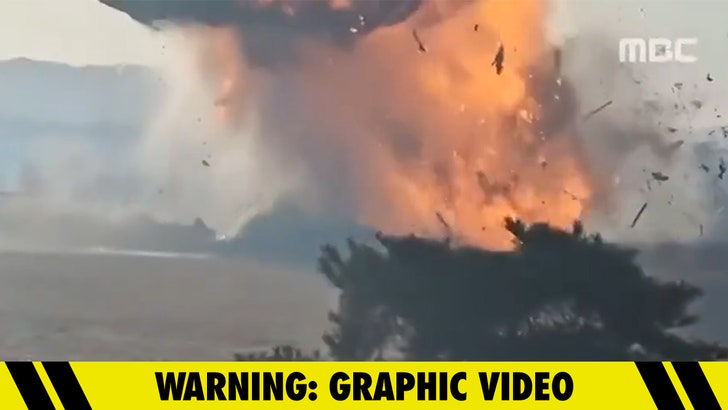
Recent footage that emerged following the catastrophic crash reveals the harrowing moment when the aircraft skidded helplessly across the runway. The video depicts the plane’s struggle to come to a halt before it collided violently with a wall, resulting in a devastating explosion. Such visuals serve as a stark reminder of the risks associated with air travel and the unpredictable nature of aviation incidents. These occurrences not only impact the lives of those on board but also resonate deeply with communities and the aviation industry as a whole, prompting urgent calls for enhanced safety measures.
In the aftermath of this tragic event, it has been confirmed that all passengers, along with four crew members, were killed in the fiery crash. The only survivors were two crew members situated at the rear of the aircraft. Their survival raises questions about the circumstances surrounding the crash and the effectiveness of emergency protocols. Investigations are ongoing, and the aviation community is left grappling with the implications of this incident as it seeks to prevent future tragedies.



 Mason Thompson