 Brandon Fletcher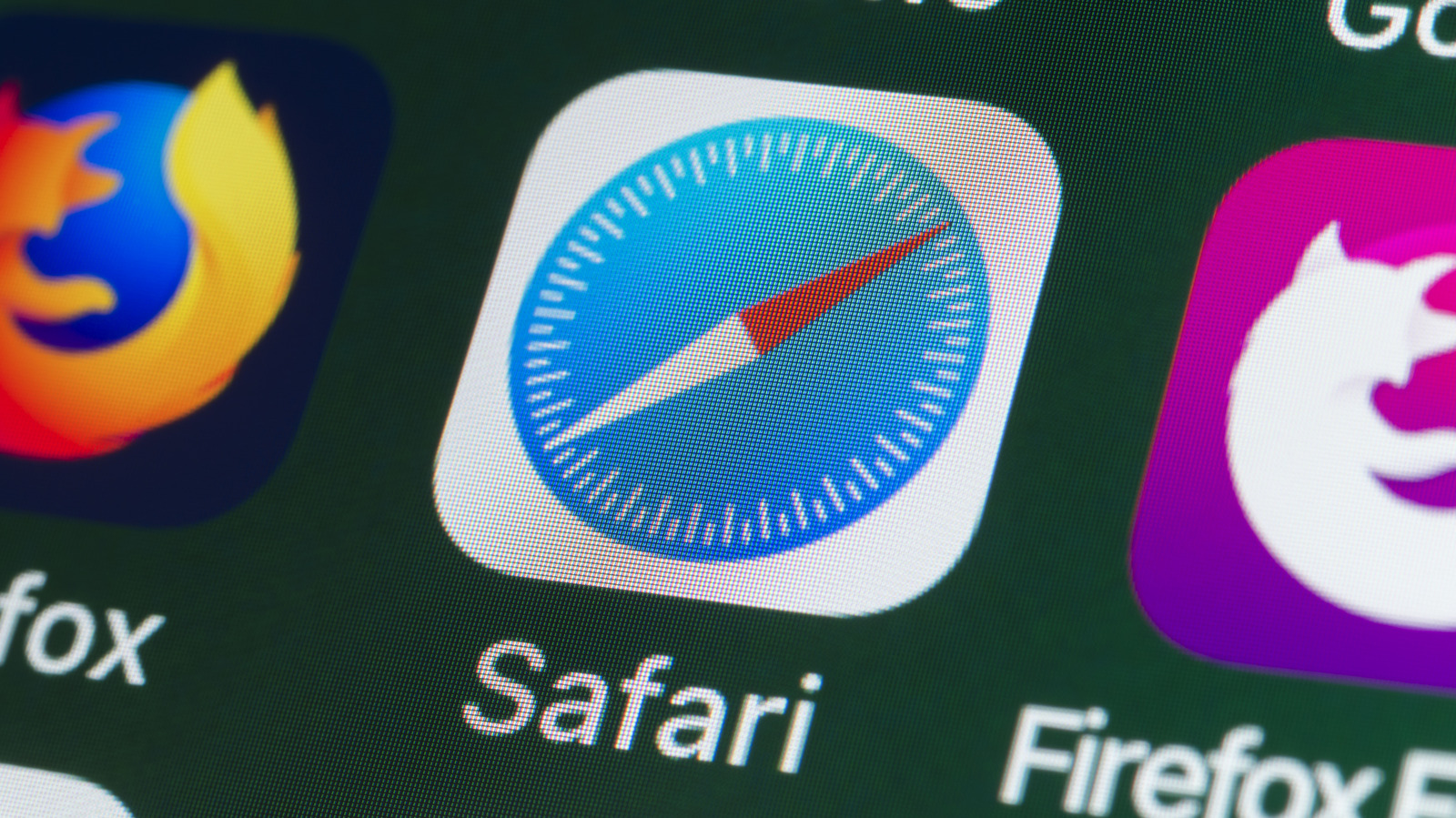

While Apple’s Private Relay feature aims to conceal your IP address, research indicates it may not always function correctly due to a WebKit flaw.
Apple’s Private Relay feature is designed to prevent any website or Apple itself from accessing your IP address while you browse in Safari. security researchers Talal Haj Bakry and Tommy Mysk have discovered that this feature does not always perform as expected, primarily due to vulnerabilities within Apple’s web browser engine, WebKit.
One significant issue identified relates to passkeys, which are becoming increasingly popular as a secure alternative to traditional passwords. As detailed by 404Media, when you authenticate using a passkey, your device sends an authentication request outside of the web browser. Private Relay is a feature of iCloud+ that is tied specifically to Safari, meaning it does not provide comprehensive identity protection across all applications on your device like a Virtual Private Network (VPN) would. using a passkey in Safari can inadvertently expose your IP address.
The risk of IP exposure is not limited to Safari. Since the problem originates from WebKit, which is utilized by all iOS browsers, your IP address might also be revealed when using passkeys in privacy-focused browsers such as OnionBrowser and Psylo, developed by the researchers themselves.
The researchers shared their findings on X, indicating they have reached out to both OnionBrowser and the Tor Project, which supports the anonymity network utilized by the browser, to discuss their discoveries and potential solutions. Apple has informed 404Media that it is currently investigating the researchers’ claims. as noted by the researchers, it may take considerable time before Apple rectifies the issue. They referenced a previous incident involving iCloud’s Hide My Email feature, where another research group found vulnerabilities in mid-2025. Apple did not implement a fix to prevent the feature from leaking actual email addresses behind aliases until a year later.
Re: Responsible Disclosure
We found ourselves in a bit of a dilemma with these DNS and IP leaks in WebKit and how to handle them responsibly.
We first became aware of a DNS leak in Psylo in late June 2026 after a user reported it. During our investigation, we found two… https://t.co/5kFu0jtUsJ
— Mysk 🇨🇦🇩🇪 (@mysk_co) August 5, 2026


 Daniel Mercer
 David Bridges