 Ethan Carter
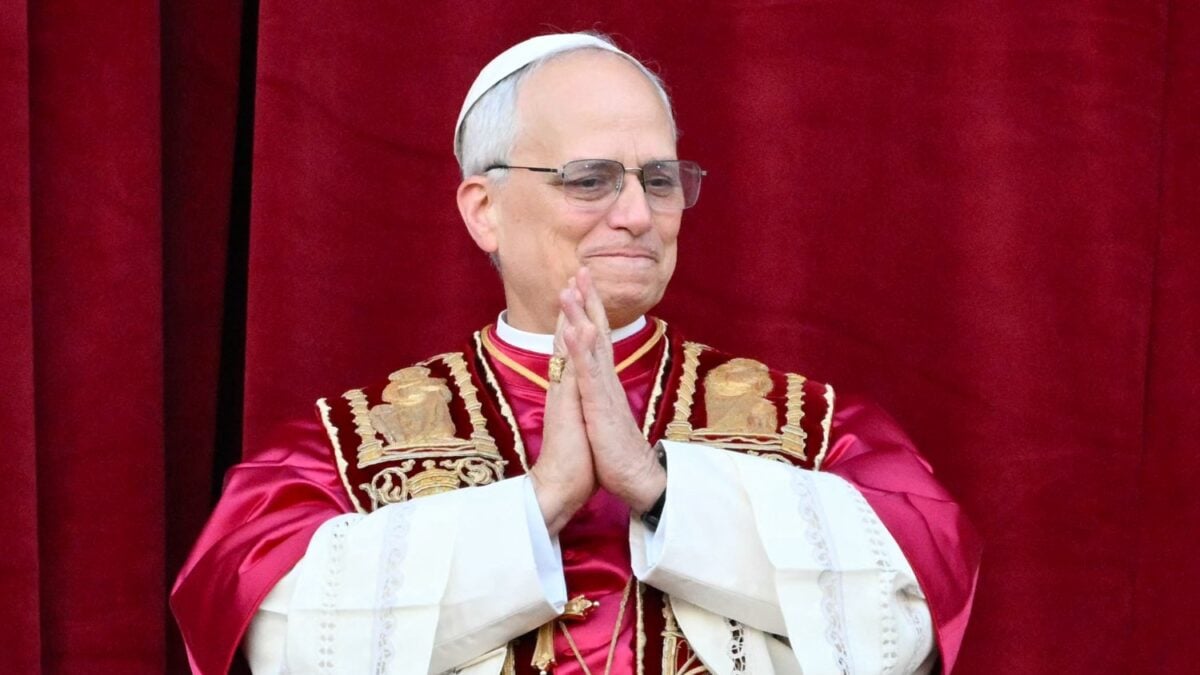

Pope Leo XIV, now free from cancer, is calling upon global leaders to “disarm” artificial intelligence. He specifically urged members of the United Nations to take definitive action toward prohibiting lethal autonomous weapons at an upcoming meeting in Geneva set for November. he advocated for the establishment of international institutions to oversee AI development and firmly rejected the notion of AI being granted personhood.
In a powerful address delivered on Friday, Pope Leo stated, “The future of artificial intelligence is not predetermined. As a technology created by humans, its trajectory hinges on the decisions we make. It is our duty to guide, alter, and when necessary, reject its applications.”
He posed a critical question, “The decisive inquiry is not merely ‘What can AI do?’ but instead, ‘What purpose should it fulfill?’”
Continuing his address, the pope remarked, “Machines serve as tools, not as sentient beings,” and referenced his May 2026 encyclical, which represents his initial significant ideological statement regarding the Catholic Church’s position on AI.
He quoted from this document, stating, “Artificial intelligences do not experience life, lack physical forms, do not feel joy or suffering, do not learn through relationships, and do not possess an understanding of love, work, friendship, or responsibility.”
Pope Leo emphasized that anyone who regards AI as having conscious experiences may obscure human accountability and force those harmed to confront an impersonal entity. This statement appears to directly address certain factions in Silicon Valley that argue that today’s large language models have transcended mere programming, evolving into a new consciousness and, in some instances, displaying cult-like tendencies. Leo clearly perceives a direct link between the operations of AI companies and the delusions of users who misinterpret their interactions.
The pope asserted that some decisions “must never be delegated,” particularly those impacting “human life, freedom, and the application of force.” He specifically mentioned AI-generated target lists, likely alluding to systems that choose targets for air or drone strikes, as well as border control databases and autonomous weaponry.
He further advised that “intelligent technologies should be aimed at promoting the common good.” While this is an admirable goal, it does seem somewhat aspirational. More practically, he pointed out the urgent need for global cooperation:
“What we truly need are institutions capable of implementing these principles, particularly robust international organizations that can protect the global common good,” the pope concluded. “This necessitates unified standards, independent oversight, and transparent accountability mechanisms, ensuring that decisions regarding the development and deployment of AI are subject to scrutiny, challenged when necessary, and accompanied by suitable remedies for any harm incurred.”
Pope Leo indicated that he chose his papal name in honor of Pope Leo XIII, who led during another era of significant technological advancement. His predecessor, Pope Francis, also advocated for a ban on autonomous weapons.


 Daniel Mercer