David Bridges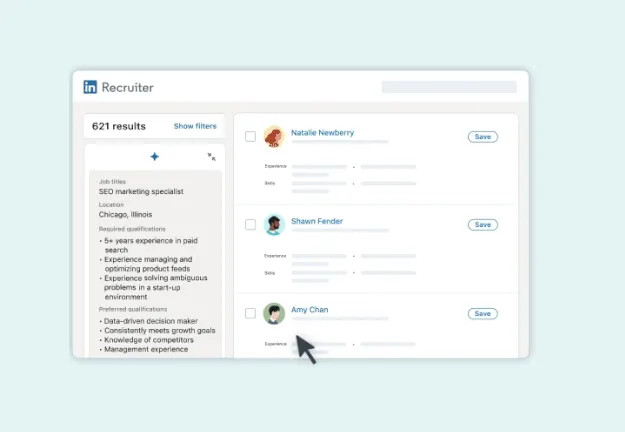

LinkedIn has introduced an innovative AI tool specifically designed for recruiters, known as Advanced AI-Assisted Search. This powerful tool utilizes conversational language to effectively assist in identifying the most suitable candidates for job openings.
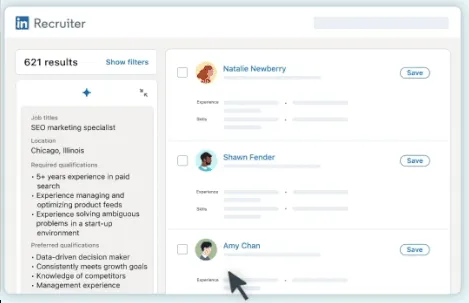
This example illustrates how LinkedIn’s cutting-edge AI candidate search can transform your conversational queries into structured search criteria. This structured approach serves as a solid foundation for conducting a focused search:
According to LinkedIn:
“Advanced AI-Assisted Search provides a more intelligent, intuitive, and dynamic approach to talent discovery. It empowers recruiters to utilize their own language for searching, surpassing traditional keywords and filters. The system comprehends the underlying intent of your search prompts and adjusts results dynamically based on user interactions, facilitating the discovery of high-potential candidates that may otherwise go unnoticed.”
This innovation simplifies the candidate discovery process for recruiters by minimizing the necessity to include every relevant keyword and variations of skill descriptions.
“When you input a job description or intake notes, the Advanced AI-Assisted Search automatically identifies the necessary and preferred qualifications aligned with your hiring objectives. It can even recognize and surface complex skills that are difficult to define.”
Furthermore, this represents the latest advancement in LinkedIn’s AI recruiting platform, which now features its own hiring assistant. This assistant can identify candidates, schedule interviews, and manage follow-ups, all while requiring minimal human oversight.
Additionally, you can leverage conversational prompts to create recruiting projects, utilizing LinkedIn’s extensive database of professional insights. This system can comprehend and translate various job elements effectively.
This innovation is undoubtedly a time-saver for hiring managers, as it broadens the candidate pool by highlighting potential candidates based on diverse skill and experience descriptions.
However, there are concerns regarding the potential for manipulation, as automated detection systems could be vulnerable to candidates who tailor their applications to align with the specific skill cues recognizable by AI bots.
For instance, if candidates anticipate that recruiters will utilize AI for filtering applications, they might consult an AI bot to identify the most relevant skills based on a job advertisement. Subsequently, they could adjust their profiles or applications, using the same AI tool, to ensure their presentation aligns with the job description.
This strategy may not be inherently wrong, particularly if the candidates possess the skills in question. However, it raises concerns that certain individuals may dominate specific applicant pools by manipulating the system in this way.
Essentially, the system aims to expand the pool of candidates by identifying skills that match but may not be listed in the same manner as the recruiter specifies. Yet, as more AI bots become involved in this process, the entire system might become increasingly automated, making it challenging to identify standout candidates based solely on their applications.
While this could have its advantages, it remains uncertain whether it will genuinely save significant time, especially as more candidates begin to use AI tools to enhance their applications.
In an AI-driven landscape, hiring managers will need to significantly improve their abilities in assessing candidates during interviews. The range of AI tools available will allow all candidates to match job skills based on broader parameters, making in-person evaluations even more critical.
LinkedIn confirms that its advanced AI-assisted search is currently available in English, with plans to support additional languages in the future.


 Tessa Everly
 Cameron Steel