David Bridges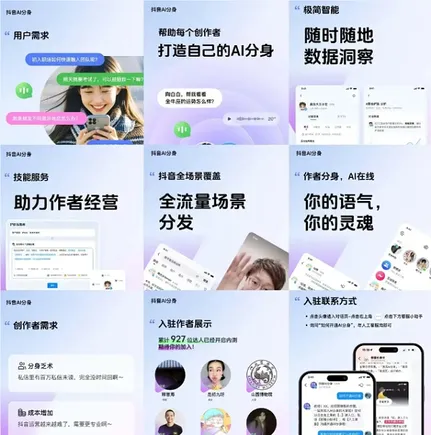

Exploring the Role of Virtual Avatars in Shaping the Future of Digital Interaction
Mark Zuckerberg, the CEO of Meta, is increasingly advocating for the integration of AI-generated content into social media platforms, suggesting that virtual avatars may redefine how users interact online. This aligns with Meta’s strategic direction, which emphasizes the incorporation of generative AI elements, particularly AI avatars that mirror user creators’ identities, as a new frontier in digital socialization.
In a similar vein, TikTok is poised to enhance its platform by introducing features akin to those found in Douyin, its Chinese counterpart, which may soon allow creators to leverage virtual avatars for deeper engagement.
According to reports from AIbase, Douyin is spearheading an innovative initiative known as “V Project”. This endeavor is specifically designed to push the limits of live streaming and interactive content, promising to transform how creators and audiences connect in real-time.
As detailed by AIbase:
“The standout feature of the “V Project” is its AI Avatar capability. This innovative function empowers creators to craft virtual representations that encapsulate their individual style and thought processes, facilitating ongoing interaction with followers around the clock. Users can converse with these avatars, receiving valuable insights and guidance from the creators, fostering a vibrant and dynamic engagement model, regardless of the creator’s online status.”
This approach closely mirrors Meta’s evolving virtual avatar strategy, which was prominently featured at its recent Connect event, showcasing their commitment to integrating advanced AI technology into user experiences.
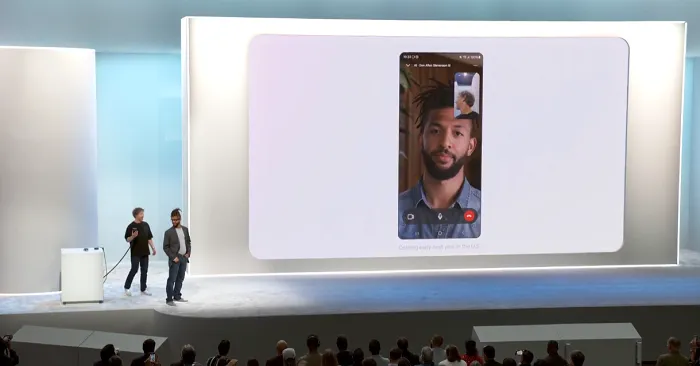
During this event, Meta unveiled its advanced video avatar tool, which allows creators to construct video representations of themselves based on their past interactions, posts, and various data points. Such virtual personas will engage on their behalf, echoing the interaction model anticipated with Douyin’s new offering.
However, it is worth noting that Douyin possesses considerable experience in this domain, having already implemented virtual avatars for some time now.
On Douyin, many creators have successfully utilized virtual avatars for continuous shopping live-streams, effectively blending entertainment and commerce.
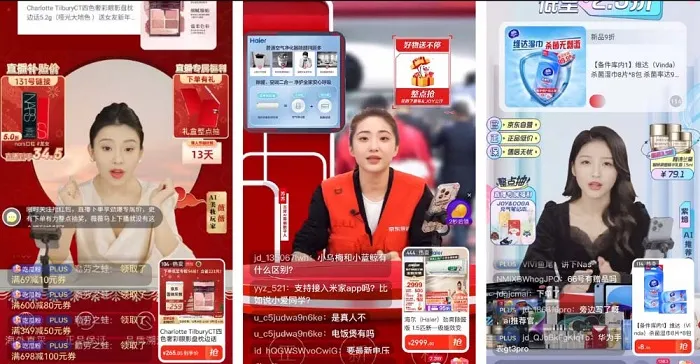
These digital entities are proving to be highly effective, driving significant brand partnerships and creating a surge in demand for virtual influencer collaborations. Currently, there are over 993,000 digital avatar companies registered in China, specializing in the cost-effective production of virtual characters capable of streaming continuously across various applications. This trend demonstrates a robust market for virtual influencers, which are also making their way onto TikTok.
With this extensive background, Douyin is well-equipped to generate and utilize virtual influencers, an avenue that TikTok is now exploring as well.
Douyin’s latest AI character models are set to enhance user engagement by enabling interactions in comment sections, responding to direct messages, and participating in live stream conversations, all while emulating the creator’s unique style.
This functionality could significantly alleviate the workload for creators, allowing them to focus on expanding their influence and enhancing their content, although it remains uncertain whether virtual characters will resonate with audiences in Western markets.
Many trends originating from the Chinese market have not successfully transitioned to U.S. platforms, such as the integration of shopping features on TikTok. Given this context, the appeal of virtual avatars may not be as strong in Western contexts. However, Meta is optimistic about the potential for consumer interest in engaging with bot versions of real influencers.
Personally, I remain skeptical.
Regardless of advancements in AI technology, bots will always be bots, lacking the human touch that makes genuine conversations on social platforms special. While some individuals engage with ChatGPT for brainstorming and idea clarification, the notion of replacing authentic human interaction with AI-driven conversations seems less appealing beyond the novelty factor.
The inherent charm of social media lies in its ability to facilitate interactions with real individuals. You can tag a celebrity in a post, and there’s a chance they might respond personally. Replacing these authentic interactions with bots feels like a diluted experience, akin to conversing with a machine rather than a person.
It remains uncertain whether audiences will embrace this shift, regardless of how advanced or lifelike these bots become.
Nonetheless, the trend toward greater AI interaction appears to be gaining momentum, as more applications are exploring the possibilities of integrating AI bots into their platforms.
Perhaps there is more to this trend than meets the eye, and users, driven by their desire for likes, followers, and engagement, may overlook the distinction between interactions with real people and those with bots.
However, given the persistent complaints regarding bots and automated responses on social media platforms, I question whether rebranding them as smarter, celebrity-like bots will truly address these concerns.


 Mason Thompson
 Troy Sanders