 Ethan Carter


Key takeaways: The Acer Predator Atlas 8 is a gaming handheld whose reported price rose from $1,300 to $1,450 two weeks after launch. Its Intel G3 Extreme processor is the main reason to consider it, while its 24GB of RAM and 512GB of storage are trade-offs. This article explains the price change, compares the Atlas 8 with other handhelds, and outlines what buyers should weigh before choosing it.
The Acer Predator Atlas 8 sold out after launch, then its listed price at Best Buy rose by $150, from $1,300 to $1,450. Its initial price and Intel G3 Extreme processor helped make the handheld popular: it launched $500 below the similar MSI Claw 8 EX AI+, although some webstores may list the MSI model for around $1,500 with 512GB of storage instead of 1TB. The Atlas 8 sold out at retailers such as Best Buy and returned to stock over the following days. On Wednesday, Best Buy’s listing showed the higher price. Gizmodo contacted Acer for comment and said it would update its report if the company responded.
The reviewer said they had been testing the Predator Atlas 8 since the start of November and planned to share a full review later. At $1,450, the handheld costs more than the Asus ROG Xbox Ally X20, which the source describes as smaller and having a more premium screen and controls. The Atlas 8’s main differentiator is its Intel processor: the reviewer said it performed better than the AMD Ryzen Z2 Extreme in the $1,000 ROG Xbox Ally X.
The reason for the price increase has not been confirmed. The original report raised demand, availability and memory costs as possible factors, while noting that Acer sometimes launches other PC products at lower introductory prices before raising them later. Acer representatives told the reviewer that this was the company’s strategy for the Acer Googlebook 14, which launched for $900, below the launch price of other Googlebook models at the time.
The Acer Predator Atlas 8 makes trade-offs in memory and storage. It has 24GB of RAM, compared with 32GB in the MSI Claw 8, and includes 512GB of storage. That capacity may be limiting for players who want to install many modern AAA games on the compact Windows PC. Owners can add a microSD card, and the Atlas 8 does not require the more expensive microSD Express cards used by the MSI model.
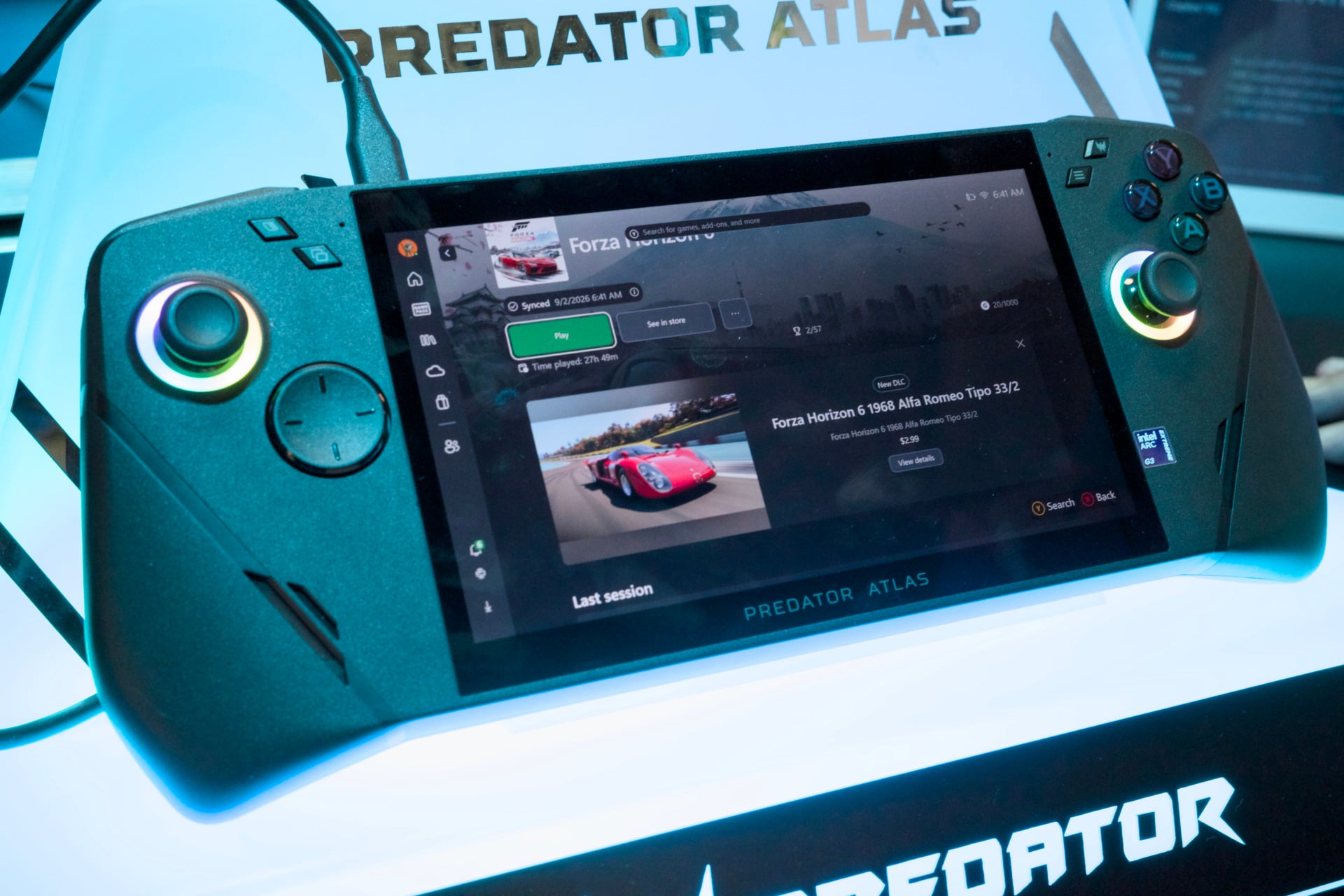
The Atlas 8 is not Acer’s only gaming handheld in development. The company’s Predator Atlas 7 has some of the same specifications and a smaller 7-inch screen; Acer lists it for $1,500 on its webstore. Acer has also promised a version with the less powerful Intel G3 processor, without the Extreme designation, but that model had not yet appeared in the wild at the time of the report.
The reviewer reported that the Predator Atlas 8 delivered the expected performance but also had software issues that could make it more burdensome to use than competing handhelds. The main trade-off is therefore performance against price, memory, storage and software experience. The reviewer’s assessment was that achieving higher frame rates in a portable gaming device could require spending close to or more than $1,500.


 Daniel Mercer

 Brandon Fletcher