Daniel Mercer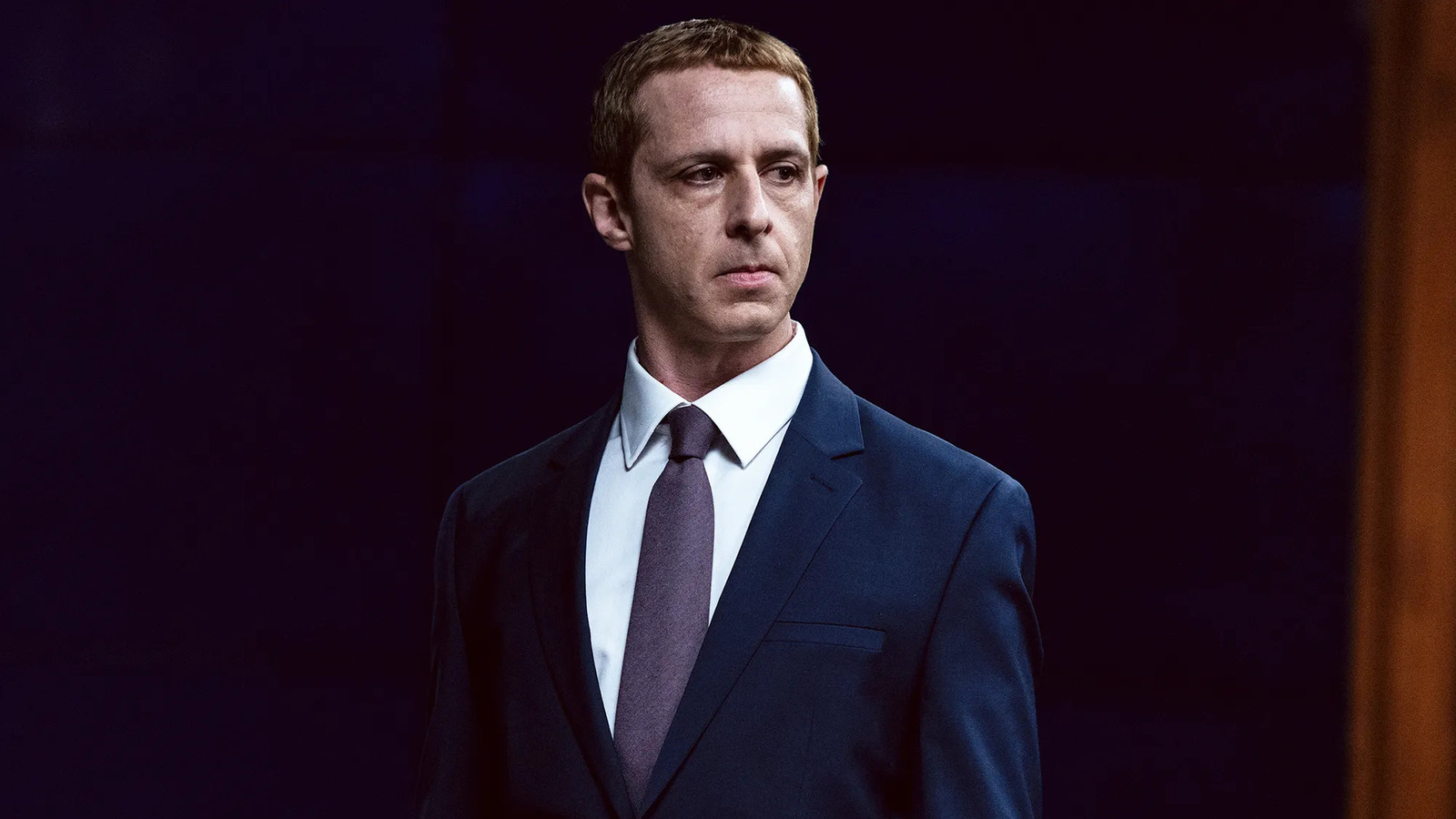

The Social Reckoning is not a direct sequel to The Social Network, despite sharing a title and similar promotional strategies. Rather, it serves as a media-focused account akin to a social media version of All the President’s Men. The film details the Wall Street Journal‘s investigative reporting on Facebook, culminating in the Pulitzer Prize-winning 2022 series “The Facebook Files.” This series disclosed that the company was aware of the detrimental effects of Instagram on the mental health of teenage girls and highlighted how Facebook’s algorithm directed users toward extremist content.
Although The Social Reckoning lacks the sharp direction and memorable score found in The Social Network, writer and director Aaron Sorkin, who also penned the original film, effectively crafts a narrative that champions traditional journalism. The film exposes the deep-seated moral decay prevalent within Facebook. As Meta strives to integrate itself further into our daily lives with innovations like its Muse AI assistant and intrusive surveillance glasses, it faces the prospect of a staggering $40 billion penalty due to its misrepresentation in the Cambridge Analytica scandal. The Social Reckoning serves as a critical reminder of the importance of skepticism toward the platform.
The narrative follows Jeff Horowitz (Jeremy Allen White), an investigative journalist who lacks extensive tech experience but possesses an unwavering determination to uncover the motivations behind Facebook’s operations. His journey leads him to Frances Haugen (Mikey Madison), an engineer on Facebook’s Civic Integrity Team. Haugen reveals that Facebook’s influence turned her formerly progressive friend into a white supremacist, a stark reality that underscores the film’s themes. Although Haugen initially believed in the tech industry’s mission to connect the globe, she becomes disenchanted as that mission increasingly prioritizes engagement over ethical considerations.
In a significant turn of events, Haugen ultimately shares the documents that form the basis of “The Facebook Files,” asserting her status as a whistleblower for legal protection. In 2021, she testified before a Congressional committee, stating, “The decisions being made within Facebook are catastrophic for our children, our public safety, our privacy, and our democracy. That is why we must insist on changes from Facebook.”
The Social Reckoning shifts between the initial stages of the WSJ‘s investigation and the year 2021, during which Mark Zuckerberg (now portrayed by Jeremy Strong) prepares for yet another round of Congressional questioning. The youthful, anxious Zuckerberg from the end of The Social Network, who desperately refreshed his Facebook page in search of human connection, has transformed into a detached figure. He now embodies a “free speech absolutist,” unwilling to acknowledge the harm his platform inflicts.
In a key moment, referenced in “The Facebook Files,” Zuckerberg dismisses the findings presented by Haugen’s Civic Integrity Team regarding strategies to significantly reduce misinformation on Facebook. He overlooks their analysis without hesitation, prioritizing user engagement over potential ethical implications.
It is unsettling to witness Zuckerberg’s stoic persona in The Social Reckoning. He appears more relaxed, having adopted a wardrobe of designer t-shirts while proclaiming that he has ceased apologizing for Facebook’s transgressions. This new iteration of Zuckerberg is marked by his decision to eliminate any internal fact-checking on his platforms and his repeated capitulations to the current Trump administration.
The film reaches a climax with the events of the January 6th Capitol riot, culminating in Zuckerberg’s reluctant choice to suspend Trump’s accounts on Facebook. Notably, Meta previously compensated Trump with $25 million to settle a lawsuit regarding that ban.
While The Social Reckoning may not create the same cultural impact as The Social Network, which captured the excitement of social media’s early days and the unwarranted “rockstar” status of ambitious startup CEOs, it serves as a crucial reminder. Meta has gone to great lengths to enhance growth and engagement, often disregarding the consequences for its users. Apart from occasional fines, the company has largely evaded significant repercussions. As the situation evolves, consider carefully before granting Muse access to your sensitive data, lest the adverse effects of AI become the subject of a future film.



 Ethan Carter