David Bridges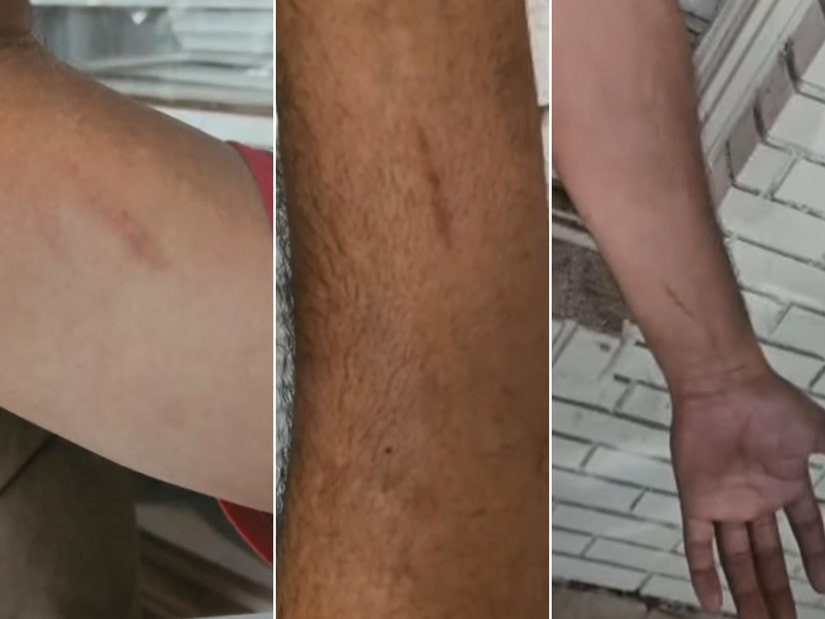

Details Emerge in the Ongoing Trial of Jose Ibarra, Accused of the Gruesome Murder of College Student Laken Riley
During Monday’s proceedings in the Laken Riley murder trial, two police officers took the stand, providing critical insights into the behavior of the accused, Jose Ibarra, during the initial questioning following the discovery of the victim’s body. Their testimony painted a picture of a suspect whose demeanor raised eyebrows, especially in light of the circumstances surrounding the tragic death of the College of Georgia student.
Jose Ibarra, a 26-year-old from Venezuela who allegedly entered the United States illegally, is facing serious charges in connection with the death of Laken Riley, a 22-year-old student at the University of Georgia. Riley’s body was discovered on February 22, after she had failed to return home from her morning jog, prompting a police investigation that would ultimately lead to Ibarra’s arrest.
Following the discovery of Riley’s body, Ibarra was apprehended the next morning. He faces a litany of charges, including one count of malice murder, three counts of felony murder, and additional charges such as kidnapping, aggravated assault, and tampering with evidence. His extensive list of accusations paints a troubling picture of the events leading up to Riley’s tragic death.
In court, Ibarra has maintained his innocence, pleading not guilty to all charges against him, indicating that he intends to fight the accusations vigorously.
The first witness called to testify on Monday was Sgt. Joshua Epps, a police officer from the University of Georgia. Epps recounted his observations of injuries on Ibarra, which he described as “seeming like fingernail scratches,” noted the day after Riley’s murder, suggesting a possible struggle occurred.
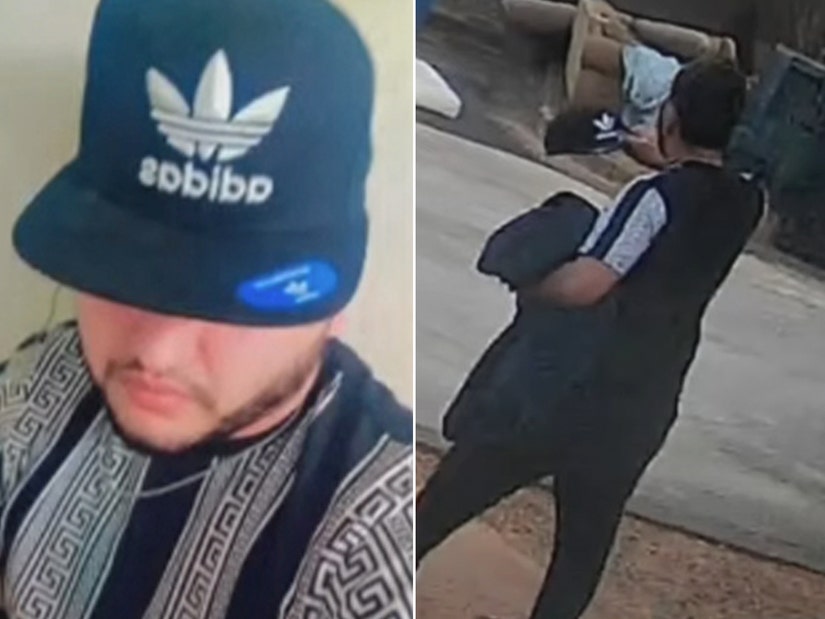
During the investigation, officers engaged in what they termed “dumpster diving” discovered a black hoodie that had long, dark hair and blood stains inside a trash bin at the apartment complex where Ibarra resided. Surveillance footage showed a man wearing an Adidas hat approaching the dumpster and discarding an item, leading investigators to Ibarra’s brother, Diego, who was spotted wearing a similar hat.
Law enforcement began their inquiry by speaking with Diego before waking Ibarra and another roommate in the apartment for questioning. Bodycam footage presented in court captured the moment officers instructed the pair to come outside, setting the stage for their investigation.
Regulation&Crime
Officer Epps detailed further observations, noting a scratch on Ibarra’s right bicep that he considered a potential defensive wound. He identified additional markings on Ibarra’s left forearm, which he believed were fingernail marks, alongside a puncture wound that he also attributed to a fingernail.
Describing the condition of the wounds, Epps stated, “I could see what appeared to be moist flesh, almost as if it were fresh. It wasn’t very old, probably still irritated … I could see bodily fluids reflecting with light in that cut,” indicating the seriousness of Ibarra’s injuries and suggesting a recent confrontation.
Furthermore, he testified that he observed bruising on Ibarra’s thumb and palm area, contributing to the narrative of a physical altercation that may have occurred, potentially during the struggle with Riley.
A second officer, Cpl. Rafael Sayan, was called to the scene after initial responders struggled to communicate with the Ibarras, who spoke Spanish. Regarding the interaction between the brothers at the apartment, Sayan noted, “They were talking to one another, laughing,” which struck him as unusual given the circumstances surrounding the investigation.
“It seemed very relaxed. There was a lot of laughing, especially when they were discussing how they were woken up and pulled out of the house,” Sayan stated, emphasizing the casual demeanor of the brothers, which contrasted sharply with the nature of the investigation they were involved in.
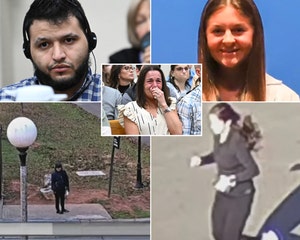
Hyosub Shin/Atlanta Journal-Structure through AP, Pool/Regulation&Crime/Augusta College
Laken Riley Homicide Trial: Final Moments of Faculty Scholar Who Put Up ‘Fierce’ Combat with Killer Revealed
View Story
Additional bodycam footage exhibited Sayan inquiring about the redness on Ibarra’s knuckles. Ibarra attributed the discoloration to the cold weather. When asked about a cut on his right bicep, the suspect reportedly mentioned having a scratch but did not provide a clear explanation regarding its origin or cause.
When pressed about other cuts on his arm, Ibarra initially claimed he had no injuries. However, when it was pointed out, he admitted it was “just a scratch,” with Sayan noting that the cut “didn’t look very old,” further raising suspicions regarding his account of events.
Officers also requested Ibarra to push back his hair, revealing a “red mark going across” his forehead, which Sayan described as looking like he had been wearing a hat. Ibarra informed the authorities that he had worn a hat similar to the one Diego was wearing at the time.
Understanding the Prosecution’s Strategy in the Case Against Ibarra
Although Ibarra was originally scheduled for a jury trial, the judge approved a bench trial on Tuesday, meaning the decision regarding Ibarra’s guilt or innocence will rest solely with the judge rather than a jury of peers.
Prosecutor Sheila Ross, during her opening statement last Friday, outlined the prosecution’s case, alleging that Ibarra “went hunting for women on the University of Georgia campus, and during his search, he encountered 22-year-old Laken Riley on her morning jog.” This assertion sets the stage for the narrative that the prosecution will weave throughout the trial.
Ross continued with a chilling accusation, stating, “When Laken Riley refused to be his rape victim, he bashed her skull in with a rock repeatedly.” She emphasized that the evidence will demonstrate that Riley fought fiercely for her life and dignity, leaving behind forensic evidence that marks her struggle against her attacker.
Regulation&Crime
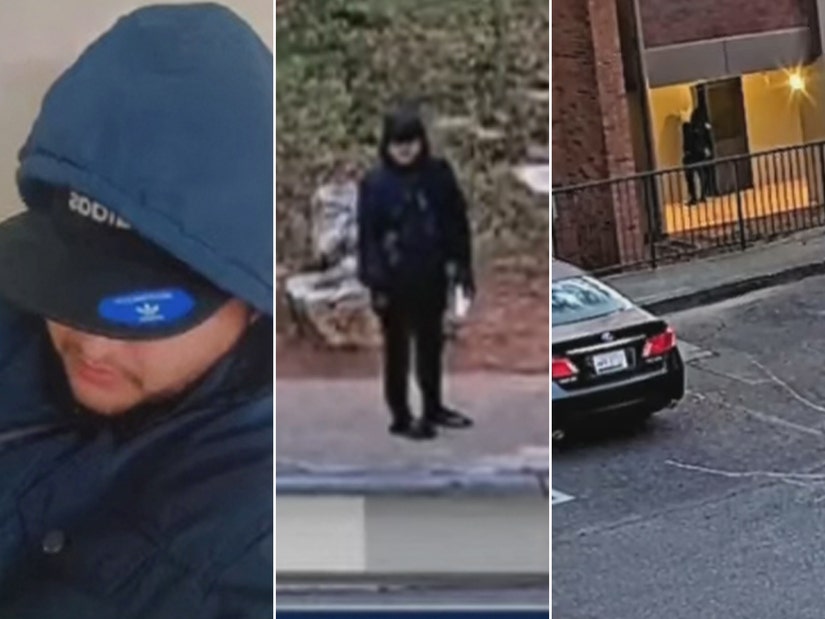
Ross meticulously laid out the timeline of the prosecution’s case, using digital evidence collected from security cameras, 911 calls, and Riley’s fitness watch data. She revealed that at 4:30 a.m. and 5:27 a.m. on the day of Riley’s murder, Ibarra shared images of himself on Snapchat, where he was seen wearing an Adidas hat, a black jacket, and a hoodie, establishing a critical link to the timeline.
At 6:52 a.m., a person resembling Ibarra, dressed in similar attire, was captured on security footage heading towards the campus. This individual was later seen attempting to open another student’s door while she was showering, suggesting a pattern of predatory behavior that aligns with the accusations against him.
The prosecution contended that this man, believed to be Ibarra, approached the door six times within an hour, attempting to open it two times. The student inside called the police, reporting what she believed to be a Peeping Tom incident, further escalating the situation and leading to heightened scrutiny of Ibarra’s actions.
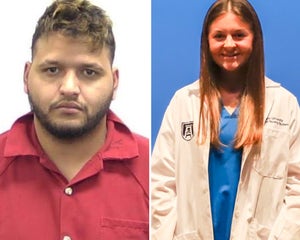
Clarke County Sheriff’s Workplace/Augusta College
UGA Homicide Suspect Accused of ‘Disfiguring Cranium’ of Nursing Scholar Laken Riley
View Story
At 9:03 a.m., Riley was captured on a Ring camera leaving her residence, and moments later, a trail camera recorded her at 9:05 a.m. This would be the last verified sighting of her alive as she made her way toward the crime scene, heightening the urgency of the investigation.
At 9:11 a.m., Riley activated the emergency services feature on her phone to call 911. The 1 minute, 8 second call was played in court, revealing an operator repeatedly saying, “Hello” and asking, “Can anyone hear me?” indicating the urgency and tension of the situation.
Only ambient sounds, such as birds chirping and a muffled male voice, were audible on the call. After the call ended, police attempted to reach Riley by calling back twice, but their efforts were unsuccessful, raising further concerns about her safety.
Tragically, Riley’s body was discovered shortly after 12:30 p.m. that day, hidden in a wooded area off the trail, raising alarm bells about the circumstances surrounding her death.
Ross described the scene where Riley’s body was found, stating, “She was hidden, almost underneath a tree, covered with a pile of leaves. Her breasts were fully exposed, and all three layers of her clothing had been pulled up around her neck,” adding that she sustained severe injuries to the left side of her head, indicating a brutal assault.
Using medical data retrieved from her Garmin watch, Ross indicated that Riley was running and listening to music when “something” abruptly impacted her, suggesting a sudden and violent confrontation with her assailant. The data reflects the timeline of events leading up to her tragic end.
Ross emphasized, “Her heart rate continued until 9:28 a.m. indicating that her encounter with him was lengthy and that her struggle was intense,” demonstrating the ferocity of the confrontation which ultimately led to her heart stopping at that time, marking the end of her fight for survival.
Regulation&Crime
As authorities continued their investigation, they began “dumpster diving,” leading to the discovery of a black hoodie that had long dark hair and blood stains. Surveillance footage from a camera focused on the dumpster showed an individual wearing an Adidas hat and the same shirt that Ibarra had worn in another Snapchat photo, discarding the jacket. Additionally, black disposable gloves stained with blood were found in the nearby bushes, further linking Ibarra to the crime scene.
As the police searched the area the following morning, they encountered Ibarra’s brother, Diego, who was wearing the same Adidas hat. This prompted them to obtain a search warrant for Ibarra’s residence, where they ultimately found him asleep, raising further suspicions about his involvement.
According to Ross, DNA evidence from both Riley and Ibarra was found on the black hoodie. Additionally, the hair was consistent with Riley’s and appeared to have been forcibly removed from her head. Ross also disclosed that Ibarra’s DNA was discovered under Riley’s fingernails, along with his thumbprint left on her iPhone screen, connecting him directly to the victim.
<section id=”cb-

 Clara Hastings
 Maya Kensington