David Bridges

Instagram is currently testing an innovative feature that allows users to create an AI-generated version of their profile image. This option aims to streamline the process of obtaining a more artistic and stylized representation of oneself within the platform, enhancing the user experience.
As illustrated in the image provided by app researcher Alessandro Paluzzi, Instagram is developing a feature that would let users generate an AI profile picture directly from their profile edit settings. This functionality would provide a convenient way for users to access Meta’s advanced AI image generation tools, allowing for a swift and easy update to their profile picture.
While this feature is a new venture for Instagram, it reflects a broader trend among social media platforms.
Instagram’s sister platform, Facebook, has also been exploring the realm of AI-generated profile images. Additionally, both TikTok and Snapchat have introduced similar features, offering their users creative options through “Dreams” and AI avatar creation functionalities.
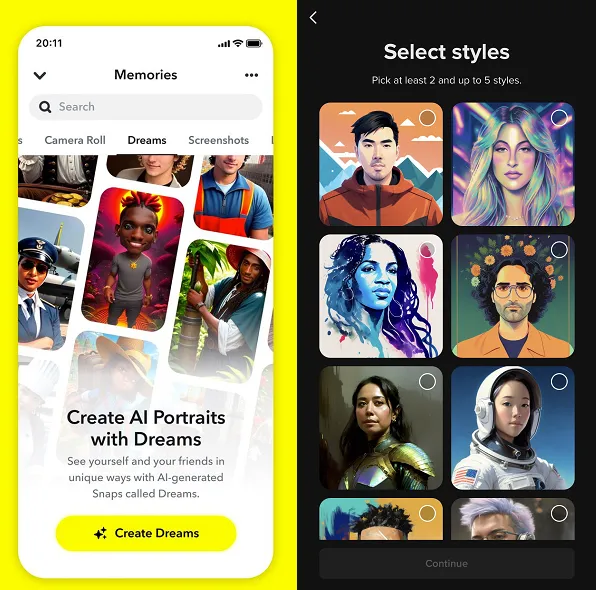
This move positions Instagram alongside its competitors in offering a simplified AI profile image generation tool that enhances user engagement and creative expression.
However, this shift may come with a sense of irony.
For many years, users have voiced concerns about the prevalence of bots and fake profiles infiltrating social media platforms, which often mislead unsuspecting users with manipulated images and fictitious representations of real individuals.
Earlier this year, for instance, Meta took action by removing a network of over 900 profiles that had utilized fake, AI-generated headshots to impersonate real people, highlighting the ongoing struggle against deceptive practices on social media.
Despite the differences, the platforms now actively encourage the creation of stylized AI-generated images. While these versions of profile pictures are crafted to offer a more creative and artistic representation, they still do not reflect the genuine essence of the user.
Moreover, the anonymity provided by such technology has been a double-edged sword. It can obscure the identities of some of the most detrimental actors online, enabling scams and misinformation to proliferate within social applications. Clearly, promoting and facilitating the use of these AI tools might not yield overall positive outcomes in the social media landscape.
Simultaneously, Instagram, like many other social media platforms, is eager to embrace AI advancements to remain relevant and competitive in the ever-evolving digital landscape. However, it raises questions about the value of generative AI tools in fostering authentic social connections when the primary purpose of these apps is to bring people together.
AI-generated images do not truly encapsulate your lived experiences, which have been the foundational purpose of social media. While AI art represents an interesting creative outlet, it remains distinct from the authentic self-expression that most users seek. For the average user, these AI-generated portrayals might come off as mere fakes, and it’s perplexing to witness social platforms marketing these as beneficial rather than as more distortions of reality.
While it is true that such tools are readily available on various platforms, and users may already share unrealistic images of themselves (like Paluzzi has exemplified), promoting AI-generated depictions seems contrary to the core objectives of social networking, which is to foster genuine human connections.
Nevertheless, Meta is optimistic that AI-generated content will play an increasingly significant role in the future of social media, and it strives to align with this anticipated shift.
Will users embrace this change?



 Mason Thompson
 Clara Hastings