 Brandon Fletcher
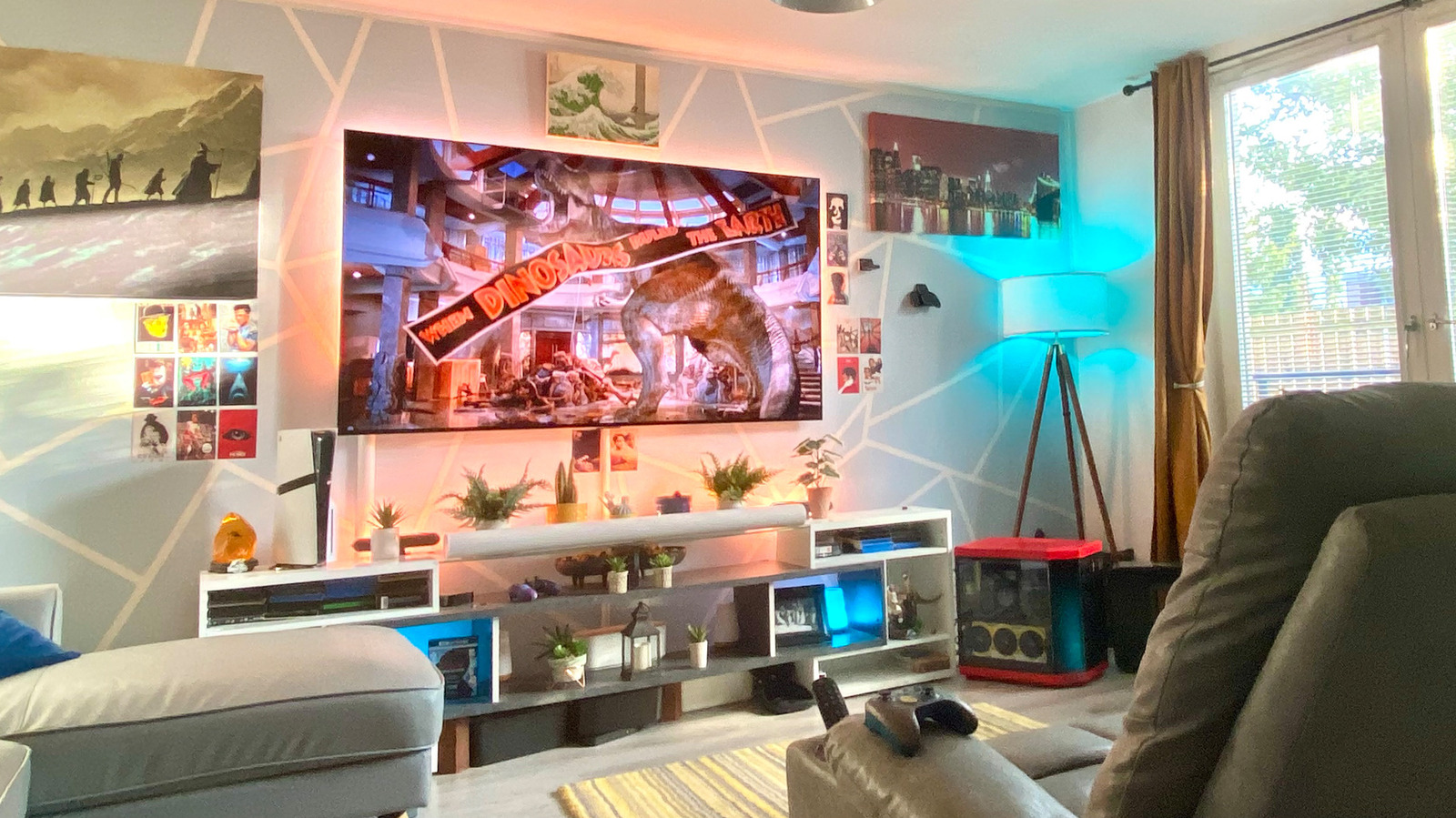

What is the ideal distance to sit from your TV? This question has a precise answer from a reputable AV expert. As large screens become more accessible, many wonder if investing in OLED TVs remains worthwhile in 2026. Finding the perfect viewing distance for your next movie marathon is crucial, as sometimes bigger screens can lead to discomfort. In this guide, we will explore the best TV size for your living space, discuss the potential harm of sitting too close, and detail the optimal viewing distances.
How to Choose the Right Size TV for Your Space
Determining the perfect TV size is not a straightforward task. It largely depends on the dimensions of your room. In a small apartment, a 55-inch television might be the maximum size that fits comfortably. Conversely, if you have a spacious home, consider opting for an 85-inch model or even larger.
Understanding the 30-degree rule for TVs can be helpful. This guideline suggests that a screen should occupy 30 degrees of your field of vision from your seating position. For a 55-inch TV, this means sitting about 7.5 feet away for an immersive experience that doesn’t strain your neck or eyes.
Another guideline to keep in mind is the 40-degree rule, which aims to replicate a cinematic experience. For a 65-inch TV, this rule advises a viewing distance of approximately 6.5 feet. While this distance may be suitable for avid movie watchers, it may not be practical for a family enjoying a movie night together.
What is the Best Viewing Distance for My TV?
Finding the ideal viewing distance is more scientific than it may appear. The Society of Motion Picture and Television Engineers (SMPTE) recommends sitting approximately 1.6 times the diagonal size of your TV. According to RTings, while viewing distances vary, they provide essential guidelines for an optimal experience.
For commonly purchased TV sizes, SMPTE suggests the following distances: sit 8.8 feet away from a 65-inch TV, over 10 feet from a 75-inch model, and just over 11.5 feet for an 85-inch screen.
Why is the distance important? Eye strain can arise from prolonged viewing at an uncomfortable distance. Sitting too close can dry your eyes and cause discomfort, though it typically does not lead to long-term problems. Your eyes will need to work harder to capture the entire image, leading to fatigue.
Ultimately, the distance should feel comfortable for you. The layout of your furniture and personal preferences will significantly influence how far you sit from the TV. While the 30-degree rule serves as a guideline, individual comfort and vision needs are equally important.
Why are TVs Increasing in Size?
Why are larger TVs becoming the norm? The desire for an immersive viewing experience in the 4K era drives this trend. Ultra HD displays contain approximately 8.29 million pixels, which are much more enjoyable on a larger screen compared to a smaller one.
Affordability also plays a crucial role in the rise of larger televisions. Advances in manufacturing processes have led to reduced costs, allowing consumers to purchase large 65-inch 4K models for under $600. It no longer requires a significant financial investment to own a large television.
We have transitioned from bulky CRT televisions to sleek flat screens that enhance room aesthetics. Modern designs often feature minimal bezels, making large TVs appealing as decorative elements. The popularity of 55-inch and 65-inch models in North America underscores this trend. The era of compact 14-inch TVs is long gone.
Is It Acceptable for My TV to Exceed the Size of My Stand?
In most cases, having a TV that is larger than your stand is perfectly acceptable. As long as the TV is securely positioned on the stand, an overhang should not pose a significant risk. While it may not look ideal, as long as your stand is stable, your TV should be safe.
Caution is necessary. A TV that extends beyond the edge of a cabinet is at greater risk of being knocked over, so handle your television with care. If you are purchasing a new stand, ensure it meets the weight specifications for your TV. A quick online search using your TV’s model number will provide insights into its weight. Avoid placing a large 77-inch TV on a stand designed for smaller 42-inch models.


 Daniel Mercer