Daniel Mercer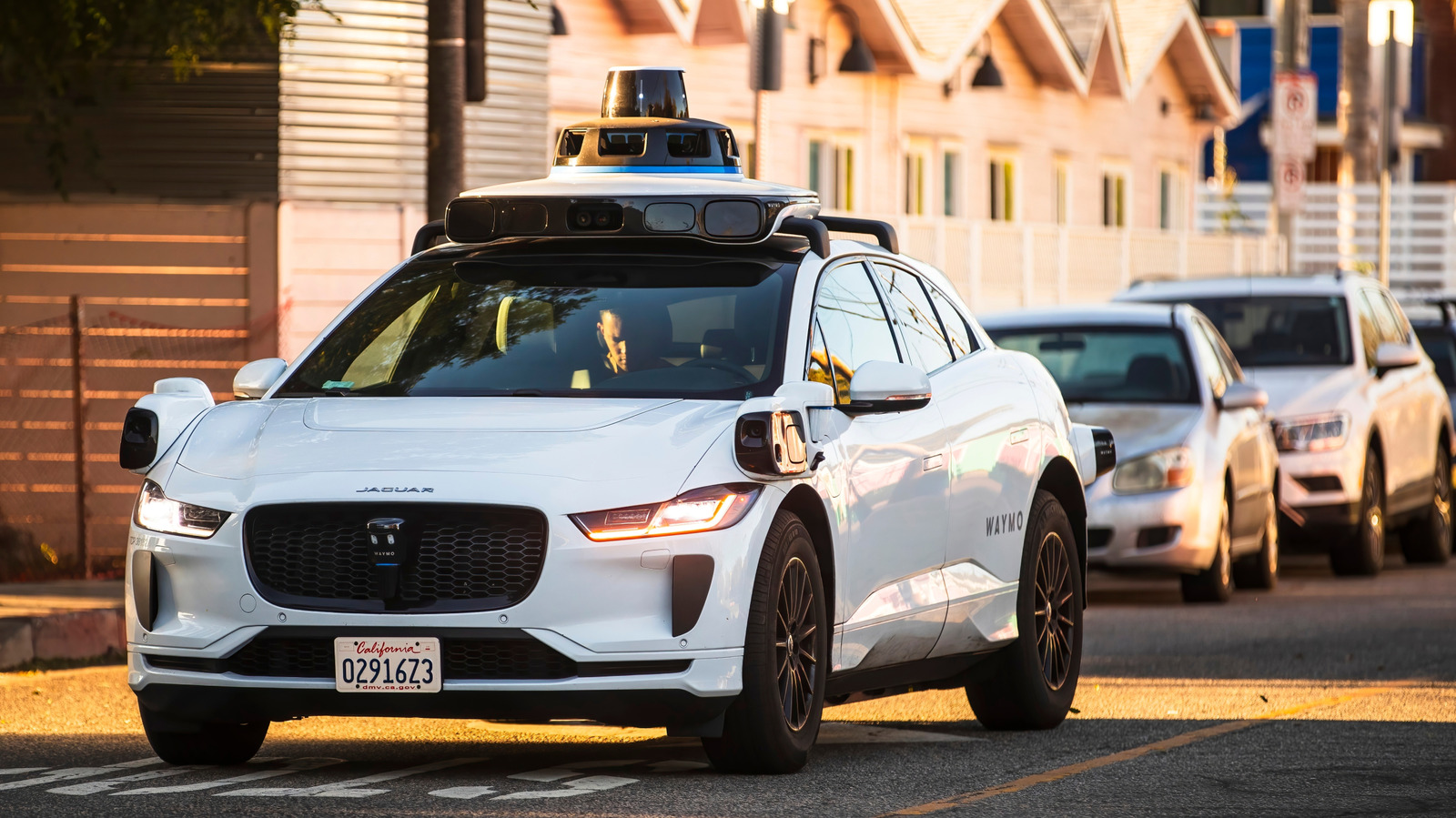

The focus is less on the capabilities of autonomous vehicles and more on the specific conditions under which they operate.
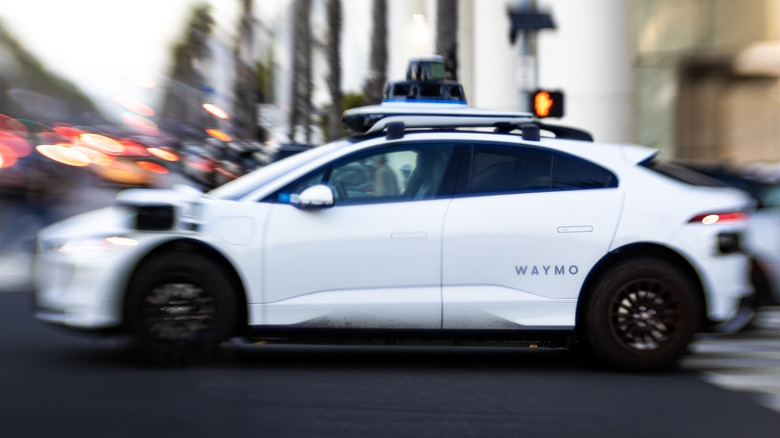
Observing a vehicle navigate through urban traffic without a driver can create the impression that Waymo has achieved the pinnacle of automation. Passengers experience a journey without steering, monitoring, or any need for human intervention. The car autonomously manages the entire trip.
According to the Society of Automotive Engineers (SAE) framework for driving automation, this capability is classified as Level 4 rather than the ultimate Level 5. The crucial difference lies not in the apparent independence of the driving but in the specific environments where this independence is permitted. Level 4 allows the system to manage the driving task completely without human help, but only within defined parameters and locations. Level 5, in contrast, eliminates these restrictions entirely.
Understanding Why Waymo is Classified as Level 4 Automation
 bluestork/Shutterstock
Specifically, the Waymo Driver, which is the company’s automated driving system, is categorized as Level 4. Waymo’s safety research documents classify it as an SAE Level 4 automated driving system, clarifying that an empty driver’s seat does not automatically equate to Level 5 automation.
SAE defines six levels of automation, ranging from Level 0 to Level 5. The National Highway Traffic Safety Administration (NHTSA) begins its classification at Level 0, where human drivers are fully responsible for all driving actions, although certain safety systems may briefly intervene. Level 1 can provide continuous assistance with steering or acceleration and braking, while Level 2 can handle both simultaneously. In all these cases, the driver remains in charge of the vehicle.
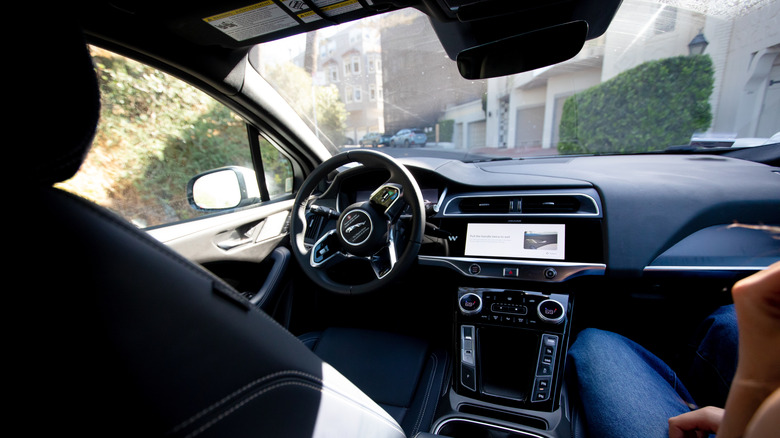
Level 3 marks a shift in driving responsibility. The system can perform all driving tasks under specific conditions, but the human driver must be ready to take control when called upon. At Level 4, this necessity is removed. Once the automated system operates within its intended parameters, the passengers are no longer backup drivers, but rather full passengers.
This distinction is why Waymo can assert its service operates autonomously without claiming SAE Level 5 status. Its vehicles can complete trips without a driver behind the wheel; however, this capability is still limited to defined operational conditions.
What Distinguishes Level 4 from Level 5 Automation?
 Oselote/Shutterstock
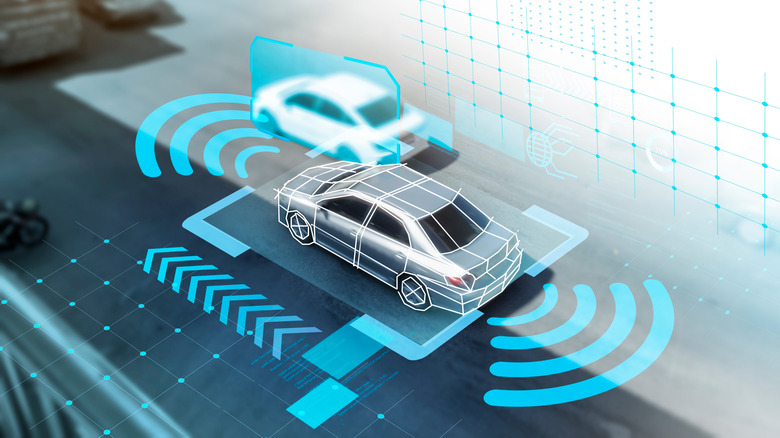
These limitations are often referred to as the operational design domain (ODD). In essence, the ODD specifies the geographical boundaries and conditions under which a self-driving system is intended to operate. This encompasses the types of roads it is designed for and the weather conditions it can function in. SAE defines it as the range of conditions for which an automated driving system is intended to operate, and Level 4 systems must manage driving tasks autonomously within these defined limits.
At Level 4, the system carries out the complete driving task within its ODD. Level 5, however, eliminates these limitations: NHTSA characterizes it as operating across a broader scope rather than being confined to specific service areas. Level 5 does not imply that a vehicle is “more autonomous” during a specific action; a Level 4 Waymo already manages steering, braking, and decision-making independently when functioning within its designated domain. The difference lies in the extent of operation, not in the driving responsibility.
This is why Waymo can continue enhancing its system while remaining classified as Level 4. For instance, Waymo’s sixth-generation Driver boasts expanded capabilities suited for a wider variety of environments, including challenging winter conditions. While extending its functionality into new cities or weather types makes the system more adept, it must still operate within its defined parameters to maintain its Level 4 status rather than achieving Level 5.
Why Achieving Level 5 Automation Presents Greater Challenges Than Advancing Level 4
 Ward Dewitt/Getty Images
Enhancing a Level 4 system allows developers to establish clear boundaries around the challenges they face. They can specify the operational area, identify necessary conditions, and test system behavior against relevant scenarios within that domain. Eliminating these boundaries significantly complicates the development process.
This complexity already exists at Level 4. In its 2026 research on collision-avoidance testing, Waymo highlighted that assessing a Level 4 system is challenging due to the vast number of operational scenarios where hazardous situations could arise. Their approach identifies potentially dangerous scenarios by analyzing human driving data, data from automated driving tests, and expert insights.
Weather serves as a tangible example of these limitations. In May 2026, Waymo faced challenges with flooded road conditions in Atlanta and San Antonio, prompting the company to suspend or limit certain operations while improvements were made.
A definitive timeline for achieving Level 5 automation does not exist. Currently, NHTSA asserts that Level 5 technology is not available in consumer vehicles, and the SAE levels describe capabilities rather than providing a roadmap for development.