 Maya Kensington


As TikTok continues to enhance its X Money payment system, the platform is looking to incorporate in-stream payment options to support its growing e-commerce initiatives.
According to Bloomberg, TikTok is investigating the possibility of rolling out its TikTok Pay feature to users in the U.S. This would allow American users to transfer money to other profiles directly through direct messages.
TikTok Pay is already operational in countries like Vietnam, Malaysia, and Thailand, enabling users to make purchases seamlessly within the app. TikTok offers TikTok PayLater in select markets, allowing users to divide their payments into manageable installments.
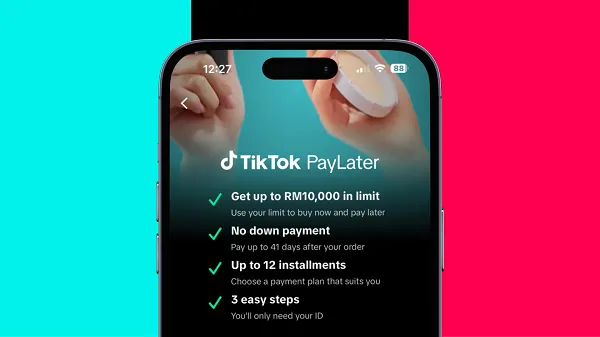
The introduction of direct in-stream payment capabilities could greatly influence in-app purchase rates. Instant payment options are likely to encourage impulse buying, especially during live streaming events.
This model has proven successful in Douyin, the Chinese counterpart of TikTok. According to Walk the Chat, Douyin prominently features its Douyin Pay as a primary in-stream transaction method.
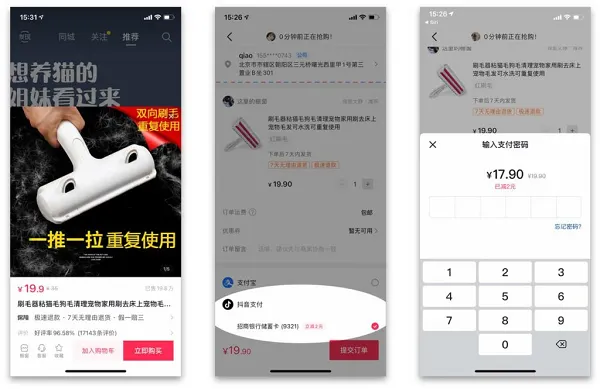
A report from ScienceDirect indicates that over 40% of Douyin’s total e-commerce sales in 2024 were generated through livestreams. This statistic highlights the importance of enabling direct purchases and integrated payment solutions during live events.
TikTok may believe that implementing TikTok Pay could significantly enhance its e-commerce ambitions in the U.S.
There has been a notable increase in shopping activities within the app. Recent findings from Momentum Works estimate that TikTok generated approximately $50 billion in gross merchandise value (GMV) during the first half of 2026, marking a 92% increase year-over-year. The U.S. market alone accounted for $11.8 billion, reflecting over a 100% year-over-year growth.
Given these figures, it is logical for TikTok to pursue efficient payment solutions. With existing frameworks in other markets, expanding these services to the U.S. appears to be a strategic move.
It is likely that TikTok’s U.S. operations will need to secure money transmitter licenses in various states before moving forward with this initiative.

 Troy Sanders